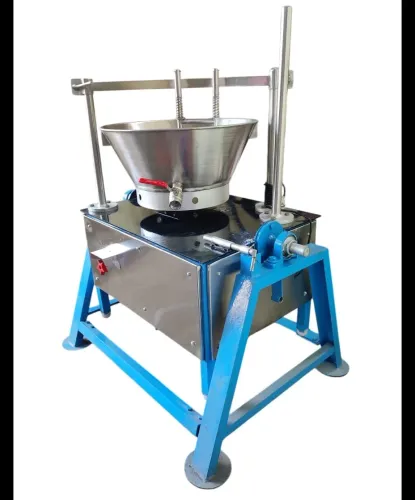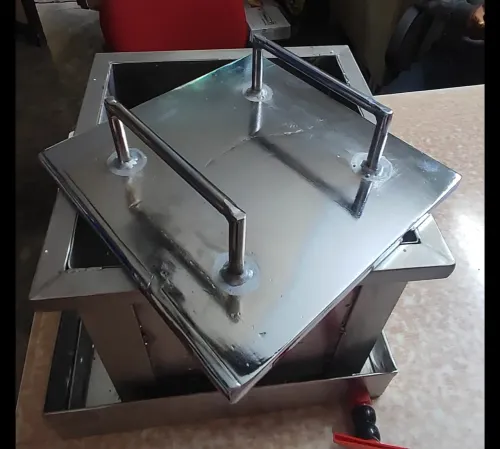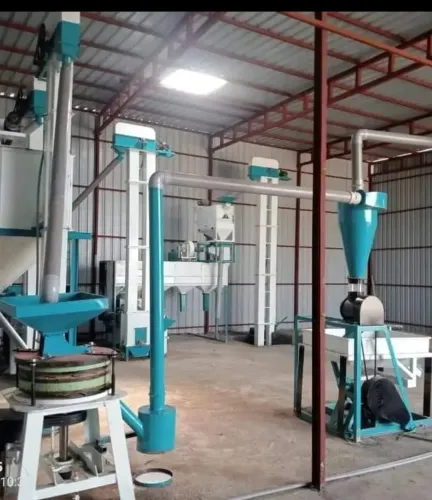
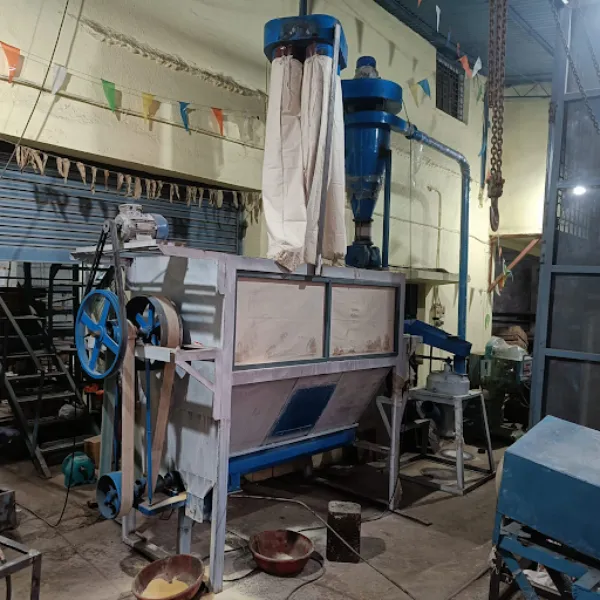
Commercial besan manufacturing involves several interconnected operations. Raw material handling, cleaning, milling, screening, material transfer, packaging, and dust management all affect productivity. When planning a Besan Plant, concentrating on individual machines without considering the entire production sequence can create avoidable bottlenecks.
For entrepreneurs, flour mill operators, and food processing companies in Nagpur and Maharashtra, understanding common planning mistakes can help create a more practical facility.
Choosing Capacity Without Studying Demand
One frequent mistake is selecting machinery based on the highest capacity available rather than realistic production requirements.
A plant that is significantly oversized may require unnecessary investment and operating resources. An undersized plant may struggle to meet orders.
Capacity planning should consider expected daily demand, operating shifts, seasonal fluctuations, product range, and realistic growth.
Ignoring Raw Material Preparation
Finished besan quality begins before milling.
Raw material condition, cleanliness, moisture, and preparation can influence processing performance. If incoming material contains unwanted impurities, inconsistent feed may affect downstream operations.
Businesses should establish clear receiving and preparation procedures before finalizing the milling section.
Creating Capacity Mismatches
A production line can only perform effectively when its individual stages work together.
For example, a high-capacity milling machine connected to undersized screening equipment can create material accumulation. Similarly, efficient processing followed by slow packaging can restrict total dispatch capacity.
Evaluate the line as one connected system.
Underestimating Dust Management
Flour processing naturally produces fine airborne particles.
Plant layout and equipment arrangements should therefore account for housekeeping, dust collection requirements, ventilation, and safe access for cleaning.
Ignoring these issues can make the production environment difficult to maintain.
Planning Too Little Storage
Raw materials and finished goods both require space.
Production planning should account for incoming stock, work-in-process material, packaging supplies, finished products, and rejected material where applicable.
Insufficient storage can interfere with movement and reduce usable production space.
Overlooking Cleaning Access
Food processing equipment requires regular cleaning.
Machines positioned too closely together can make inspection and sanitation unnecessarily difficult. Operators need suitable access around equipment and product-contact areas.
Planning this access during layout development is easier than trying to create it after installation.
Forgetting Future Expansion
Many businesses design their initial facility around current demand without considering how additional machinery could be accommodated later.
Expansion does not require installing unnecessary capacity immediately. It means planning electrical loads, material routes, floor space, and equipment positioning with sensible future growth in mind.
Develop the Line Around Real Production Conditions
Unique Enterprises in Nagpur provides food processing machinery for different manufacturing requirements. Businesses considering a Besan Plant can evaluate machinery based on expected output, available area, material flow, and required processing stages.
For food businesses serving markets throughout Maharashtra, a thoughtfully planned plant can make production easier to manage as volumes grow.
Successful besan manufacturing depends on more than milling performance. Raw material preparation, balanced equipment capacity, dust management, screening, packaging, storage, cleaning, and factory layout all contribute to effective production.
Addressing these elements before machinery installation can prevent many of the operational problems that become expensive to correct later.
Keywords