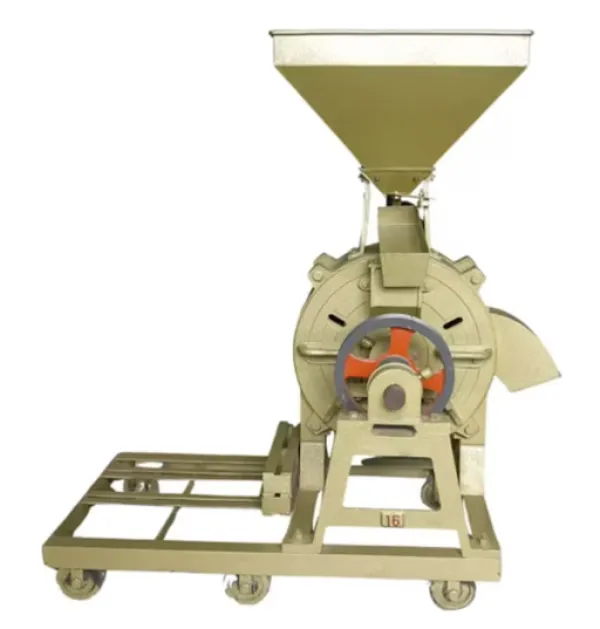
Buying a Flour Mill Machine for commercial use requires a different approach from purchasing equipment for occasional grinding. Flour mill owners need machinery that matches raw materials, required output, operating hours, electrical infrastructure, available space, and future business plans.
A practical checklist can make the selection process clearer.
Define the Raw Material
Start by identifying what the machine will process.
If the business intends to handle several suitable grains, provide this information before requesting a recommendation.
Different materials can behave differently during grinding, so machinery selection should reflect the actual application.
Calculate Required Production Capacity
Estimate present and expected production rather than choosing the largest available machine.
Consider:
- Hourly output
- Daily demand
- Operating hours
- Number of shifts
- Expected growth
This creates a realistic capacity requirement.
Specify Flour Fineness
The required finished flour characteristics matter alongside capacity.
Discuss expected fineness with the machinery manufacturer because output can vary according to grinding requirements and raw material.
Measure the Installation Area
A machine needs more space than its physical footprint.
Provide room for feeding, collection, cleaning, maintenance, operator movement, and supporting machinery.
This is especially important when conveyors or additional processing equipment may be installed later.
Check Power Requirements
Commercial grinding equipment can place meaningful demand on the facility's electrical infrastructure.
Confirm motor specifications and power requirements before installation.
New flour mills in Nagpur and other Maharashtra locations should incorporate machinery loads into their electrical planning.
Review Construction and Cleaning
Ask about product-contact sections and how they are accessed for cleaning.
Businesses processing multiple materials should understand the cleaning procedure required between production runs.
Understand Maintenance Needs
Unique Enterprises manufactures food processing machinery in Nagpur for commercial and industrial applications.
When evaluating equipment from any manufacturer, buyers should ask about wear components, inspection intervals, maintenance points, and operating recommendations.
Consider Supporting Equipment
As production grows, additional equipment may improve workflow.
Depending on the plant, this could include:
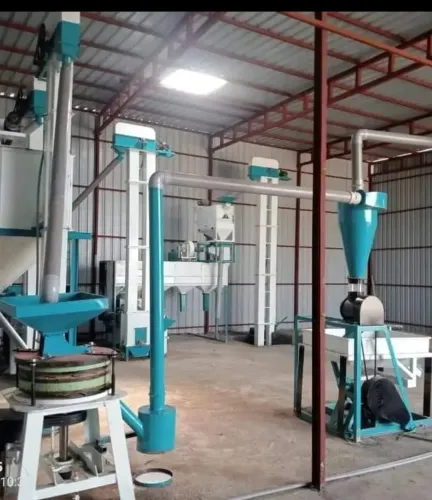
- Feed hoppers
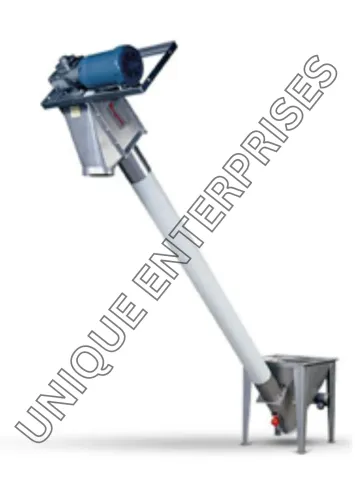
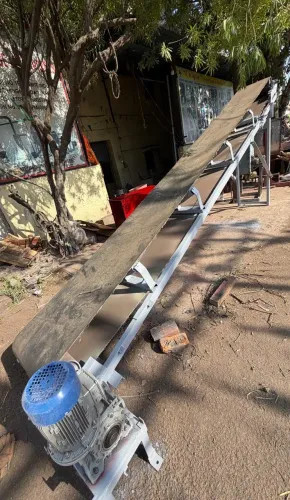
- Material screw conveyors
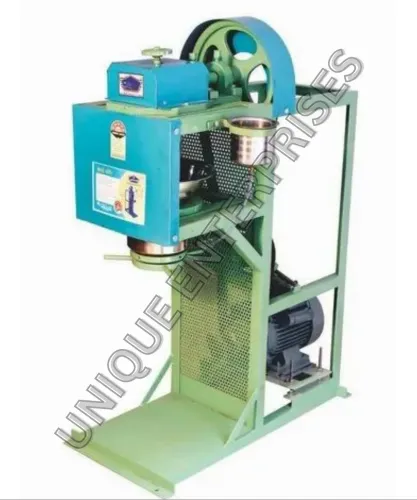
- Pulverizers
- Sieving equipment
- Mixers
- Collection systems
Planning these elements together can create a more organised production line.
A commercial Flour Mill Machine should be selected on practical production requirements rather than a single specification. Raw material, capacity, fineness, power, space, cleaning, maintenance, and future expansion all deserve attention before a purchasing decision is made.
Keywords