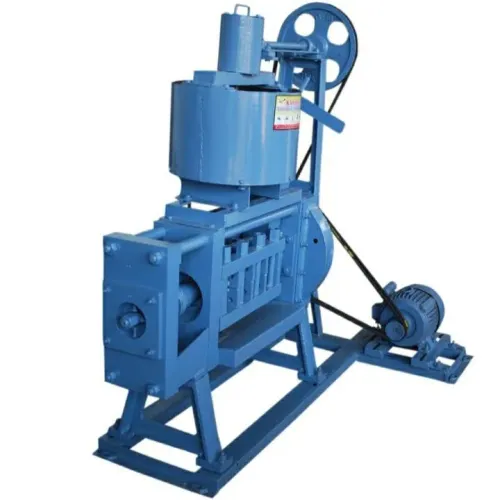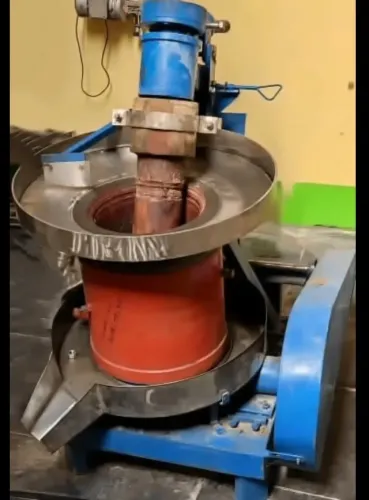
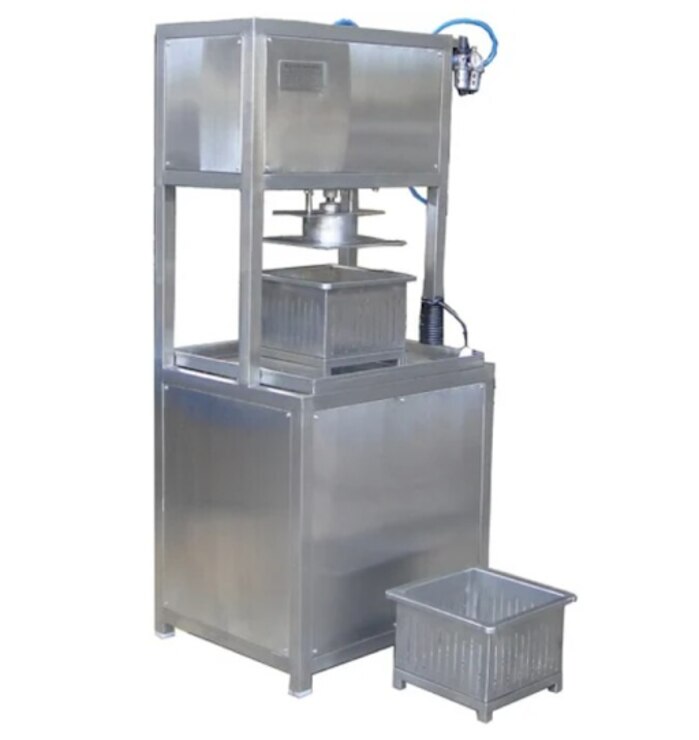
Paneer becomes easier to cut and more uniform when curd is loaded evenly, whey has a clear drainage path and pressure is applied across the full mould surface. By the end, you will know how to set up the pressing sequence, compare press types, control the variables that affect moisture and judge whether the finished block is fit for sale and further cutting.
Key takeaways
- Use a level follower plate to produce parallel faces and square paneer corners.
- Control pressure, time, temperature and curd thickness together for consistent moisture removal.
- Choose food-contact parts that withstand repeated washing and sanitising.
- Verify block height, weight, moisture and texture instead of judging appearance alone.
How pressure turns loose curd into a uniform paneer block
Pressure consolidates loose curd against the mould walls while whey escapes through the drainage openings. A level follower plate spreads the load across the full surface, producing paneer shape with square corners, consistent height and parallel faces instead of a sloping or rounded block.
The result is uniform paneer blocks that divide into equal pieces with less trimming and fewer variable-weight cuts.
Before pressing, check these geometry controls:
- Fill every mould to the same mass and level the curd without packing one side more tightly.
- Centre the follower plate so follower plate pressure reaches the entire curd surface, not only the loaded side.
- Clear blocked perforations and keep the drainage cloth flat; restricted outlets leave a soft zone while excess loading creates a dense zone.
- Inspect the mould and plate for flexing, because movement causes edge deformation and uneven thickness.
Calculate product pressure as applied force divided by the effective follower area. A machine’s total-tonne rating alone cannot predict paneer shape when mould sizes change. Pressure and dwell time also work together: a short, heavy load can compact the surface before whey drains, while a controlled dwell gives more even consolidation.
Excess force can collapse drainage paths, crack edges and create hard, rubbery paneer rather than improving cutting accuracy. Use finished block mass, dimensions and moisture to validate the selected pressing setting.
The pressing sequence from curd transfer to demoulding
Begin the paneer pressing process with controlled curd transfer, not with maximum force. Keep the curd temperature, pre-drain condition and mould fill weight consistent; otherwise identical pressure will produce different moisture levels.
1. Inspect the mould, perforations and drainage channels. Clear blocked holes and fit a clean, smooth drainage cloth without thick folds, excess overlap or trapped curd.
2. Transfer the curd evenly into the mould. Spread it into corners in shallow layers rather than dropping one heap in the centre, which creates a dense middle and uneven whey drainage.
3. Fold the drainage cloth flat over the surface. Keep the overlap minimal and distribute it evenly; a bunched cloth restricts local flow and leaves wet and firm zones in the same block.
4. Place a rigid follower plate centrally on the covered curd. An off-centre load or flexible plate produces wedges, rounded edges and greater compaction on one side.
5. Apply pressure through a controlled ramp, then hold the specified load for the recorded dwell time. Do not compensate for poor drainage with extra force: collapsed channels can stop releasing whey while the surface becomes hard, cracked or rubbery.
6. Release pressure gradually after the dwell. Move the mould to cooling without disturbing the block, allowing its structure to set while excess whey drains through the cloth and perforations.
7. Remove the follower and unfold the cloth only after the block is firm. Lift it out with a clean spatula or ejector, then trim and cut while the edges remain defined.
How to control pressure, time, temperature and batch thickness
Repeatability starts with a recorded recipe, not a maximum force setting. Log curd temperature, pre-drain time, mould fill weight, batch thickness, pressure ramp, peak paneer press pressure and pressing time for every load.
Use the same upstream conditions before changing the press setting:
- Keep curd particle size and pre-drain condition consistent; these determine how much whey remains available to drain.
- Weigh each mould charge and measure the filled curd depth. A thicker batch needs a longer drainage path and can retain more moisture.
- Lay the drainage cloth flat. Folds, excessive overlap or blocked holes create wet, soft zones inside one block.
- Record the dwell time separately from ramp-up time. A short, high-load cycle does not produce the same moisture distribution as a longer, lower-load cycle at a similar final force.
| Measurement | Record | Why it matters |
|---|---|---|
| Curd temperature | Temperature at mould filling and pressing | Changes whey flow and final firmness |
| Pressure | Ramp rate, peak pressure and hold pressure | Controls drainage without relying on force alone |
| Time | Pre-drain, ramp, dwell and cooling times | Links moisture loss to the actual cycle |
| Batch thickness | Fill weight and curd depth | Predicts drainage distance and moisture gradients |
| Finished result | Block mass and laboratory or calibrated rapid moisture | Confirms the recipe; a load cell or hydraulic gauge measures force or system pressure, not moisture |
Validate the endpoint against finished-product moisture. For Indian-market paneer, FSSAI limits moisture to 60% by weight; increasing pressure until the block looks firm can instead produce dry, hard paneer.
Choosing a press for throughput, moulds, cleaning and product contact
Compare presses by pressure at the curd, dwell time and cleanability—not by advertised cylinder tonnage. Required pressure is applied force divided by effective follower area, so ask for kPa, bar or kgf/cm² at each mould size.
| Option | Throughput and control | Moulds, cleaning and product contact |
|---|---|---|
| Hand-weight paneer press | Lowest cost and capacity; useful for small batches, but operator loading and weight placement increase variation. | Simple to wash, provided the frame, cloth and follower are removable. |
| Screw press | Steady mechanical compression with adjustable force; slower adjustment limits high-volume work. | Handles several mould sizes when the follower is changeable; inspect threads and crevices for trapped curd. |
| Hydraulic paneer press | High, repeatable force and multi-mould capacity; gauge pressure needs calibration because seal friction and cylinder losses alter follower force. | Choose smooth stainless-steel contact surfaces, open drainage and removable cloth-contact parts. |
| Pneumatic press machine | Fast cycling and easy automation, but compressor capacity and pressure stability affect consistency. | Select washdown-rated components and accessible air-side guards; avoid perforations that retain whey and curd. |
A multi-mould frame improves throughput only when filling, cloth placement, unloading, cooling and cleaning match its dwell time. Otherwise, later moulds wait, moisture varies between loads and the press becomes the bottleneck.
Ask Unique Enterprises for the follower area, force-at-product calculation, mould drawings and cleaning access before comparing quotations. Validate any automatic endpoint against block mass and laboratory or calibrated rapid moisture results; FSSAI’s paneer limit is 60% moisture by weight, and appearance cannot prove compliance.
Related product
 | Mawa and Khoya Making Machine Minimum Order Quantity 1 Unit Equipment Type Paneer Press Machine Usage/Application Commercial Phase Type 3 Phase Voltage 230/440 V Material SS/MS... View product → |
How to verify the finished block beyond its appearance
A neat, square block does not prove that paneer meets your specification. A complete paneer quality check combines block dimensions, weight, moisture, firmness and sliceability after the block has cooled.
1. Measure length, width and height at several points with a calibrated ruler or vernier caliper. Record block dimensions, mass and any corner or edge variation; compare them with your cutting plan, not just the mould size.
2. Take a representative sample from the centre and both ends of the block for paneer moisture testing. Use a calibrated rapid moisture analyser or an accredited laboratory method. For Indian-market paneer, moisture must not exceed 60% by weight.
A press gauge or load cell measures force, not moisture, so validate any automatic press endpoint against these results.
3. Check firmness with a defined compression test or a repeatable manual method. Record the same sample temperature, probe position and compression distance each time. Similar moisture can still produce rubbery, dense paneer when the curd was compacted too heavily, or fragile paneer when its structure remained open.
4. Cut slices at the intended thickness using the production knife or wire. Accept the batch only when slices hold their edges, do not crumble or smear, and show no wet centre or dry, cracked edge.
If results vary across one block, inspect cloth folds, overlap and drainage holes before increasing pressure. Blocked drainage paths create local moisture and firmness differences, while extra force can compact the surface without removing much more whey.
Frequently asked questions
How does a paneer press machine create a uniform block?
Pressure consolidates loose curd against the mould walls while whey drains through openings. A level follower plate distributes the load across the surface, creating consistent height, parallel faces and square corners.
What is the correct pressing sequence for paneer?
Transfer the drained curd into the lined mould, distribute it evenly, place the follower plate, apply pressure for the set time, release pressure, and demould the consolidated block without tearing its edges.
Which process settings affect paneer moisture and consistency?
Pressure, pressing time, curd temperature and batch thickness work together. Record each setting and adjust one variable at a time when the block is too wet, dry, soft or uneven.
How should you choose a paneer press machine?
Compare required throughput, mould size and changeover time, cleaning access, drainage design, pressure control and the material and finish of every product-contact part.
How can you verify paneer quality after pressing?
Measure block height, weight and moisture, then inspect parallel faces and corners. Cut a sample to check internal texture, whey pockets and firmness rather than relying only on appearance.