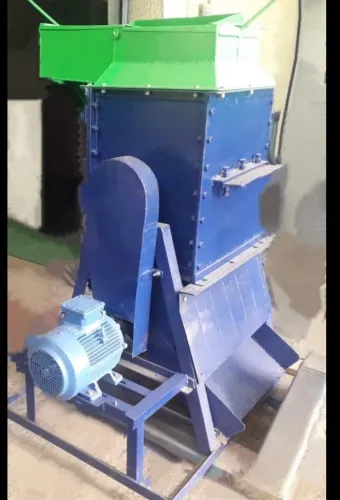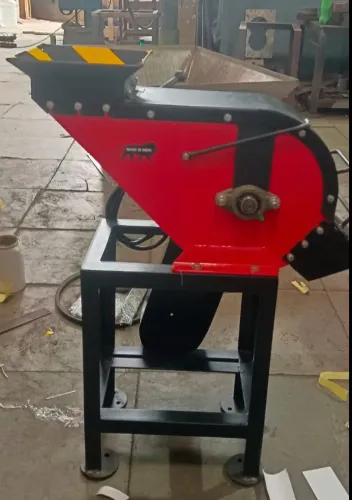
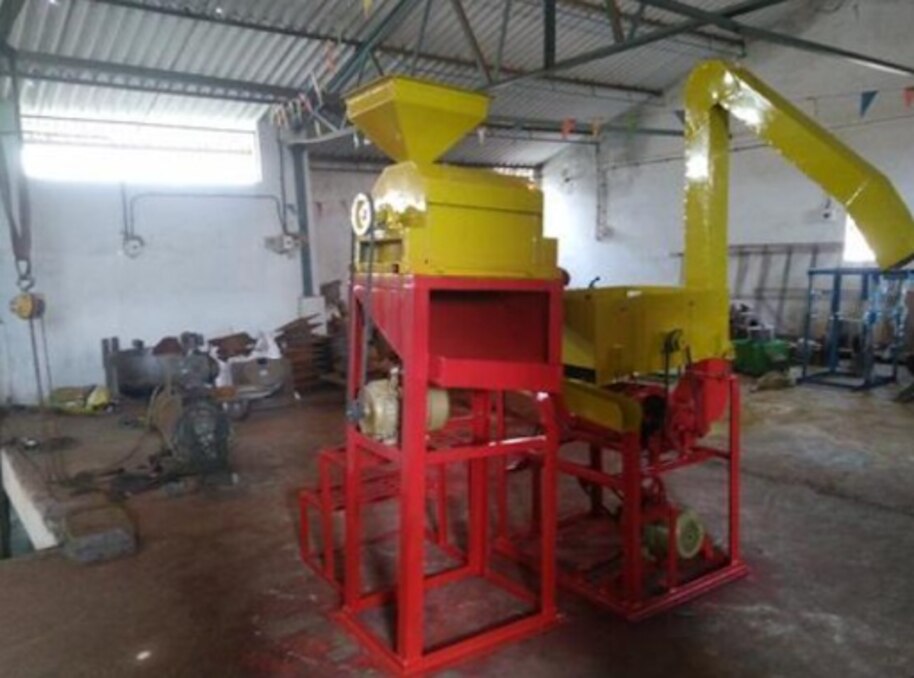
A small pulse unit needs more than a dehusking roller: it needs a controlled path from cleaned grain to separated, optionally polished dal. By the end, you will know which stages belong in the machine package, which auxiliaries require separate budgeting, and which performance figures to demand before installation.
Key takeaways
- A complete mini dal mill includes cleaning, grading, dehusking, polishing and collection.
- Buy weighing scales, moisture meters, elevators and packaging equipment separately when excluded.
- Prepare pulses by cleaning, grading and conditioning them before adjusting the machine.
- Compare rated capacity with recovery percentage, finished yield and actual operating hours.
What stages should a complete mini dal mill cover?
A complete mini dal mill covers the entire path from raw pulse intake to collected dal, not just dehusking and polishing. A package called mini pulse mill equipment is incomplete if it leaves cleaning, grading or kernel recovery outside the stated scope.
1. Feed hopper: receives raw tur, urad, moong, masoor or Bengal gram at a controlled rate.
2. Cleaning: removes dust, stalks, pods and other light impurities before they reach working parts.
3. Grading: separates kernels by size through sieves, improving uniform dehusking and reducing breakage.
4. Stone removal: removes stones and heavy particles that can damage the dehusker or roller.
5. Metal removal: uses a magnetic trap to catch ferrous pieces before processing.
6. Conditioning: applies oil or water, followed by resting and drying, to loosen the husk for the selected pulse.
7. Dehusking: the roller or abrasive unit removes the loosened husk.
8. Splitting: cracks dehusked kernels into dal; clearance and pressure affect whole-kernel recovery.
9. Aspiration: draws away husk, dust and other light particles instead of allowing them to mix with dal.
10. Unsplit-kernel separation: screens or separates kernels that remain whole and sends them back for another pass.
11. Polishing: gives the dal the specified surface finish; it cannot repair poor cleaning, excessive breakage or incomplete dehusking.
12. Collection: directs finished dal to a discharge chute, bin or packing point.
A small pulse processing machine listing only a roller, polishing machines and an aspirator does not automatically include every stage above. Confirm the recirculation route, because partially processed kernels need a return pass rather than being discarded or mixed with finished dal.
Which components are included, and which must be bought separately?
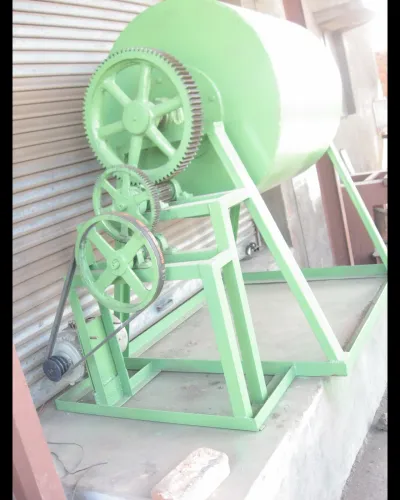
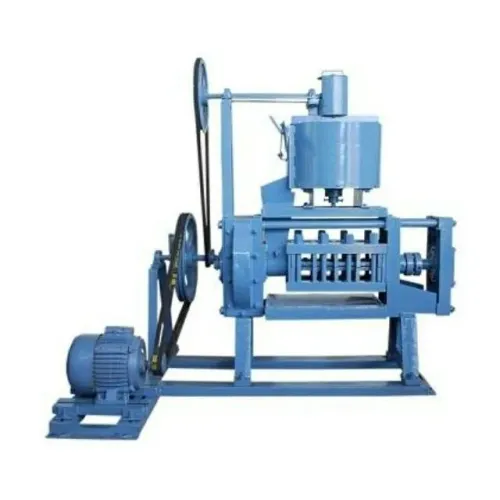
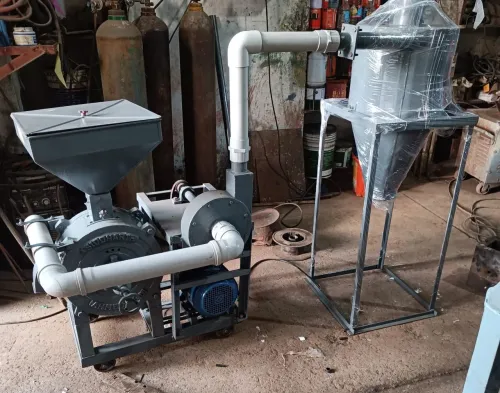
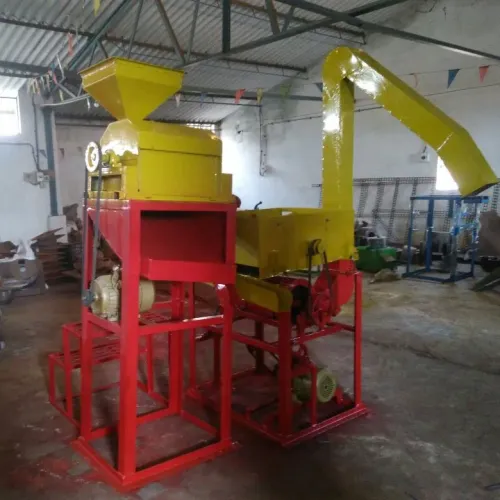
The roller dehusks and splits the pulse, the polisher improves surface finish, and the aspirator removes husk and other light particles. Those three machines do not prove that you have a ready-to-run line.
| Component | Working role | Package status to confirm |
|---|---|---|
| Roller | Dehusking and splitting | Confirm size, drive and supplied accessories |
| Polisher | Removes adhering husk and improves appearance | Confirm polishing chamber and emery parts |
| Aspirator | Separates husk and dust from heavier dal | Confirm fan, ducting and dust outlet |
A complete mini pulse mill equipment scope must identify every auxiliary needed to feed, clean, separate, collect and pack product. Request these items individually:
- Pre-cleaner, sieve grader, destoner and magnetic trap
- Feeder, conveyors or elevators, and discharge chutes
- Dal-kernel separator for returning unsplit kernels
- Dust collector, including fan, ducting and filter bags
- Weighing scale, bagging equipment, and stitching or sealing equipment
- Spare screens, emery parts, belts and bearings
- Stable platform or foundation, plus moisture-measurement equipment
These items determine whether the stated dal mill machine applications work continuously or stop for manual handling. A package naming only a roller, polishers and aspirator is a nominal machine package, not automatically a complete plant. Get an itemised scope showing what is included, what is optional, and what you must source separately.
How should pulses be prepared and the machine adjusted?
Prepare each lot before it reaches the small pulse processing machine; poor preparation reduces recovery and accelerates wear.
1. Remove stones, metal, stalks and dust with cleaning, magnetic protection and aspiration. Stones can damage abrasive surfaces, metal can destroy rotating parts, and stalks or dust can choke screens, contaminate dal and overload the dust system.
2. Grade the pulses by sieve size before dehusking. Excess size variation gives large and small kernels different forces, causing attached husk in some kernels, broken dal in others, and uneven feed through the machine.
3. Condition each pulse with its own oil or water method. Tur, urad, moong, chana and masoor do not share one universal dose or treatment time. Rest the conditioned grain, then dry it to the target moisture; excess moisture promotes sticking and unsplit kernels, while insufficient conditioning leaves husk attached and increases breakage.
4. Adjust roller clearance, feed rate and dehusking pressure together. Tight clearance, heavy feeding or excessive pressure can increase heat and broken dal; light pressure leaves husk and sends more kernels back. Set splitting clearance and feed so kernels split without crushing.
5. Use return passes for unsplit kernels, not repeated processing of finished dal. Keep polishing time short enough to avoid heat and weight loss. These dal mill machine applications should be recorded by pulse, variety, sieve fraction and moisture.
Ask for documented settings and trial results by pulse. Run your own lot, or a representative sample, before purchase or commissioning.
What do capacity, recovery and finished yield actually mean?
A quoted 201–300 kg per hour is meaningful only after the supplier identifies it as raw-feed capacity or saleable dal output. Ask for these conditions in writing:
- Pulse being processed
- Starting moisture percentage
- Number of passes, including return passes
- Permitted percentages of brokens and unsplit kernels
Recovery is the proportion of cleaned raw pulse converted into dal after non-saleable material is removed. Finished yield is the saleable quantity left after grading and rejecting excessive brokens or unsplit kernels. A machine can accept 250 kg per hour yet deliver much less saleable dal when it needs repeated passes.
Recovery changes because each pulse has different hull adhesion, kernel size, hardness and splitting behaviour.
| Pulse | Why the result changes |
|---|---|
| Urad | Small kernels and hull adhesion affect dehusking and splitting. |
| Chana | Large, hard kernels need different clearance and conditioning. |
| Moong | Small kernels are more sensitive to breakage and size variation. |
| Arhar | Hull removal and splitting respond strongly to conditioning. |
| Masoor | Lens-shaped kernels produce a different split and separation pattern. |
Do not transfer the 70–80% recovery quoted for a larger automatic plant to a mini machine. For a mini dal mill machine for small pulse processing in Nagpur, request separate trial results for every intended pulse and record feed weight, saleable dal, brokens, unsplit kernels and rejects.
What should you verify before ordering a mini dal mill in Nagpur?
Before committing to a mini dal mill in Nagpur, match the machine to the site rather than the advertised capacity. For a mini dal mill machine for small pulse processing in Nagpur, check these points:
1. Confirm the available electrical supply: single- or three-phase connection, voltage, sanctioned load, earthing and cable size. Ask whether the motor needs a starter, overload relay or separate control panel.
2. Measure the full installation area, including service clearance around screens, bearings, belts, inspection doors and electrical panels. Mark the route for moving raw pulses, cleaned grain and packed dal between stages.
3. Specify ventilation and dust handling before delivery. Confirm aspiration duct diameter, outlet location, dust collector capacity and whether ducting, filters and discharge arrangements are supplied.
4. Reserve dry storage beside the feed hopper for raw pulses and separate space for husk, dust, finished dal and rejected kernels. Confirm product-contact materials, sieve and emery replacement access, cleaning doors and washdown restrictions.
5. Require a level, stable foundation or platform, bearing and belt guards, overload protection and a reachable emergency-stop switch. These omissions create injury, vibration and unplanned stoppages.
Ask Unique Enterprises for an itemised configuration, pulse-specific trial data, installation requirements and a written boundary showing which conveyors, elevators, dust collectors, scales and bagging auxiliaries are supplied separately.
Related product
 | Dal Mill Machine Minimum Order Quantity 1 Piece Pulses type Urad, All, Chana, Moong, Arhar, Masoor Automation Grade Semi-Automatic Power 1-3 HP Machines Included... View product → |
Frequently asked questions
What stages should a complete mini dal mill cover?
It should cover raw pulse intake, cleaning, grading, dehusking, splitting, polishing and finished dal collection.
Which components are included in a mini dal mill package?
Confirm whether the quotation includes the main mill, cleaners, graders, elevators, dust control, motors, control panels and collection chutes. Scales, moisture meters, compressors, packaging machines and installation work may be separate.
How should pulses be prepared before milling?
Remove stones and foreign matter, grade pulses by size, control moisture, condition the lot and adjust feed rate, dehusking pressure and polishing time.
What do capacity, recovery and finished yield mean?
Capacity is feed processed per hour, recovery is the proportion converted into dal, and finished yield is saleable dal after removing husk, broken grains and rejects.
What should you verify before ordering a mini dal mill in Nagpur?
Check the trial results for your pulse variety, motor load, stated capacity, recovery, included components, power supply, installation scope, spare parts and service coverage.
Keywords