Cattle-feed production involves several processing stages, and machinery needs to match the ingredients, formulation, batch requirements, and expected production volume. Choosing a Cattle Feed Machine without examining these factors can create bottlenecks once commercial production begins.
Several common procurement mistakes can be avoided with better planning.
Choosing Machinery Only by Capacity
A large quoted capacity can appear attractive, but capacity figures need context.
Actual production can depend on ingredient characteristics, machine configuration, feeding, and process requirements.
Buyers should explain their raw materials and intended production before comparing equipment.
Ignoring Ingredient Characteristics
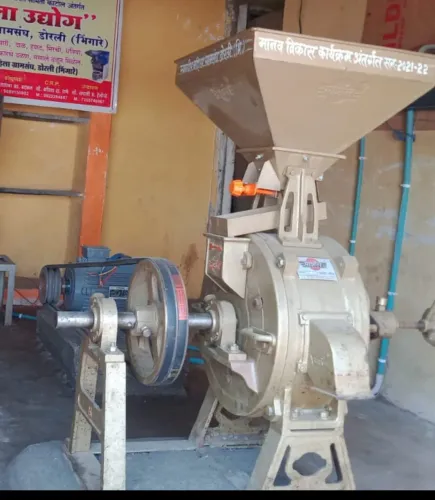
Feed formulations may contain ingredients with different particle sizes, densities, moisture levels, and flow behaviour.
These differences can affect grinding, mixing, and material movement.
The machinery configuration should therefore reflect the actual formulation rather than a generic feed-production assumption.
Treating Machines as Separate Purchases
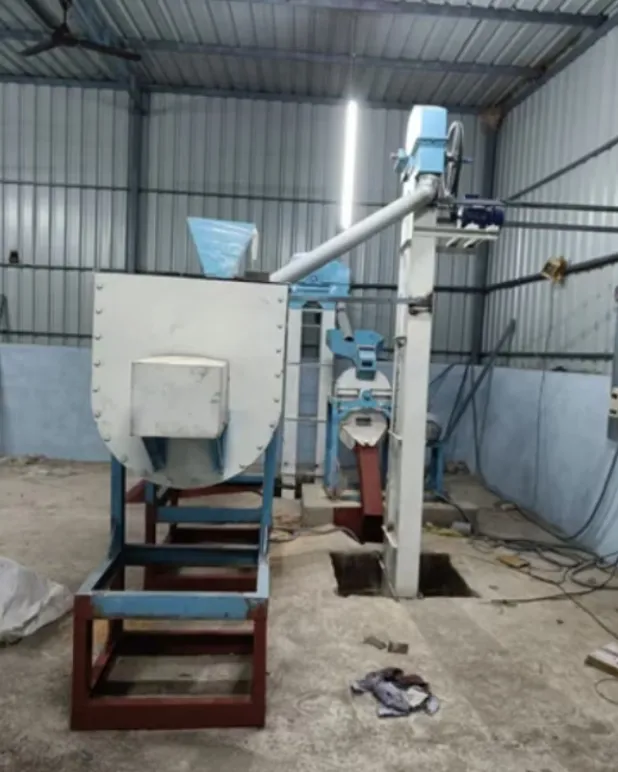
A feed plant operates as a connected process.
If one machine processes material faster than the next stage can handle, production can accumulate between machines.
Grinding, mixing, conveying, and collection capacities should be considered together.
Underestimating Mixing Requirements
Mixing is an important part of feed preparation.
Buyers should understand required batch size, loading method, mixing schedule, and discharge requirements before selecting equipment.
The mixing stage needs to fit the broader production workflow.
Overlooking Material Movement
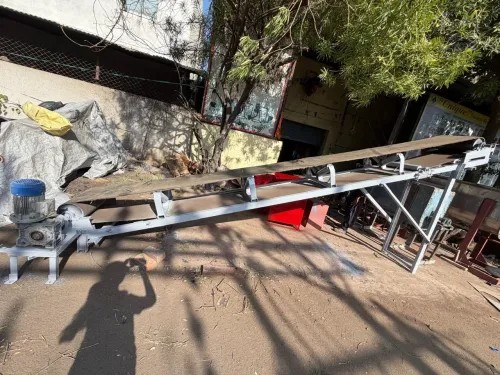
Manual transfer may be manageable during small-scale production but increasingly labour-intensive at higher volumes.
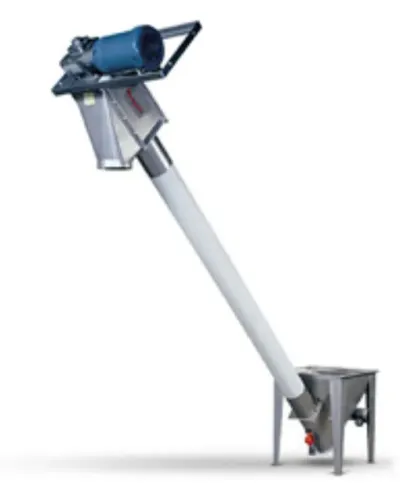
Suitable conveyors can help connect processing stages and reduce repeated material movement.
Their capacity should match the machinery they serve.
Creating a Congested Plant Layout
Nagpur and Maharashtra have numerous agro-processing businesses working from facilities of different sizes.
Regardless of available space, machinery should be positioned to allow material movement, cleaning, operator access, and maintenance.
Unique Enterprises manufactures food and agro-processing machinery in Nagpur for commercial applications.
Providing the manufacturer with floor dimensions and workflow information can support more practical equipment planning.
Neglecting Maintenance
Buyers sometimes focus entirely on initial operation and ignore long-term maintenance.
Ask about normal wear components, inspection schedules, cleaning procedures, and routine maintenance requirements before purchasing.
Forgetting Future Production Needs
A business does not necessarily need oversized machinery from the beginning, but it should consider whether its layout can accommodate future growth.
A suitable Cattle Feed Machine should work as part of a coordinated feed-production process. Avoiding mistakes related to capacity, ingredients, mixing, conveying, layout, and maintenance can help businesses create a more practical manufacturing setup.
Keywords