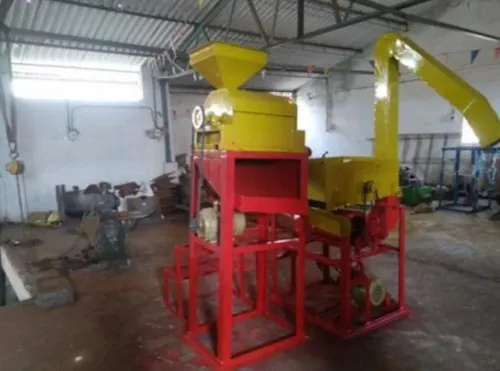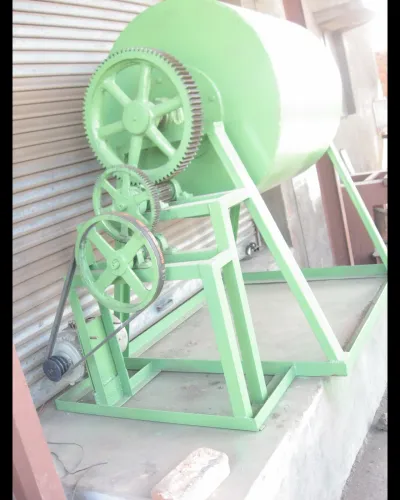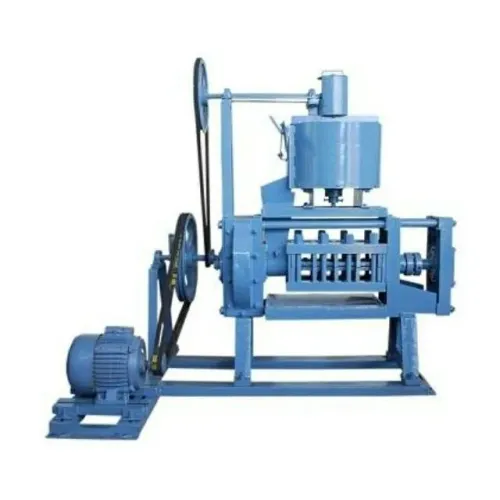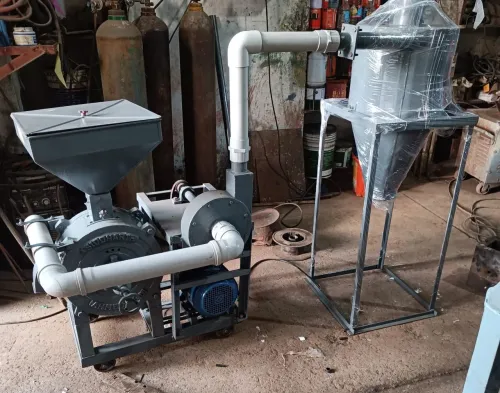
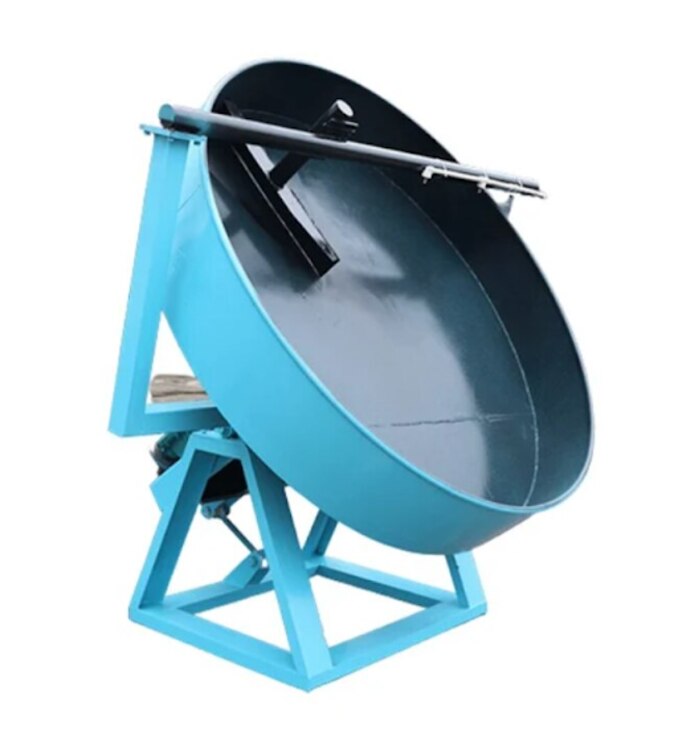
Machine selection starts with the formulation and the saleable granule specification, not with the highest capacity printed in a catalogue. Define the feed, moisture, binder, size distribution, strength and net output first, then compare wet and dry granulation routes against the power, drying and recycle loads your plant can support.
Key takeaways
- Define moisture, bulk density, particle size and binder before choosing equipment.
- Use pan granulators for flexible batches and drums for continuous higher-volume production.
- Compare saleable tonnes per hour, not the catalogue’s maximum feed rate.
- Require trials and a written output guarantee before placing the order.
Define the feed and product before comparing machines
The question “which fertilizer granule making machine should i choose” cannot be answered from the machine name alone. Start with the feed chemistry, moisture, bulk density, particle size, binder, and tendency to cake or absorb water.
Then define the saleable product: nominal diameter, permitted undersize and oversize, crushing strength, dissolution rate, residual moisture, and bulk density.
Record these inputs before comparing equipment:
- Feed rate as fresh feed and as total circulating solids after fines recycle.
- Product size distribution, including sieve method and acceptance limits for a 2–4 mm specification.
- Batch size, operating hours, available electrical power, and required saleable tonnes per hour.
- Binder type and addition rate, or the reason you need dry granulation without liquid binder.
- Feed moisture, target final moisture, and whether drying, cooling, coating, or dust collection is available.
| Specification | Why it changes selection | What to define |
|---|---|---|
| Feed chemistry | Salts, organics and minerals respond differently to moisture, pressure and heat | Formula, corrosiveness and heat sensitivity |
| Granule target | Agglomeration can succeed while screening produces too much waste | Sieve apertures, size limits and fines policy |
| Strength and dissolution | A hard granule can dissolve too slowly; a soft one creates dust | Wet and dry strength, dissolution time and attrition limit |
| Capacity | Recycle can overload the dryer, crusher and screens | Net saleable output, recycle ratio and peak circulating load |
This information makes fertilizer granule machine selection defensible instead of catalogue-driven. A short visual trial proves only that granules form; it does not prove saleable yield or storage performance.
Match each granulator type to the formulation and process route
Choose by formulation and process route, not by the machine name. The right granule machine for fertilizer production must meet your target size distribution, crushing strength, moisture limit and throughput after screening and recycle.
| Type | Best fit | Wrong choice when |
|---|---|---|
| Pan or disc | Wet mineral blends and compound fertilizers needing adjustable binder addition, gradual layering and accessible scale-up. | You need uninterrupted, very high throughput, or frequent recipe changes make cleaning and batch changeover costly. |
| Rotary drum | Continuous wet granulation of conventional fertilizers where water or steam, long residence time and high output are acceptable. | The formulation is heat-sensitive, the batch is small, or you cannot manage drying, recycle fines and a larger installation. |
| Roller compactor | Dry, low-moisture formulations that must avoid liquid binders and downstream drying. | You cannot tolerate extra milling and screening, because compaction often creates fines and irregular size. |
| Extruder | Difficult-flowing organic, biomass or mineral feeds needing dense, shaped granules with little liquid binder. | Abrasive feed causes rapid die wear, feed moisture varies, or the product cannot support cutting and drying. |
| Fluidized-bed granulator | Spray granulation combined with drying when air temperature, spray rate and exhaust moisture can be controlled tightly. | The feed is heat-sensitive or your plant lacks stable airflow and precise spray control. |
Do not call prilling granulation: prilling solidifies falling droplets in a tower, while wet granulation builds particles by collision and layering. Confirm the choice with trials measuring size distribution, wet and dry crush strength, abrasion, residual moisture, dissolution, dust and caking after storage.
Choose between a pan, drum, extrusion or roller-compaction machine
Choose a pan granulator when your fertilizer formulation tolerates water or steam, your throughput is moderate, and you need adjustable wet agglomeration rather than maximum continuous capacity. It is the wrong choice when drying is unacceptable, feed must remain completely dry, or a high-volume plant cannot tolerate batch-like operating interruptions.
Fertilizer granule machine selection should compare the actual process trade-offs:
| Option | Choose it when | Main drawback |
|---|---|---|
| Pan granulator | You need flexible wet granulation, accessible adjustment and straightforward scale-up | Requires liquid control, drying and recycle handling |
| Drum granulator | You need continuous wet processing and higher throughput | Needs more space and downstream drying; changing formulations can increase cleanup time |
| Extrusion granulator | The feed is difficult, organic or suited to compression through a die | Die wear, blockage and product-shape limits can raise maintenance |
| Roller compactor | Water or binder is prohibited, or drying would damage the product | Ribbons need milling and screening, with more fines and a wider size spread |
In a pan, dry feed and recycled fines enter an inclined rotating disc. Spray water, steam or binder onto the tumbling bed; small nuclei form first, then collect powder through repeated wetting, rolling and collision until they reach the target size.
Adjust disc angle, speed, feed rate, liquid distribution and recycle ratio together. Send the discharge through screens, return undersize as nuclei, and crush oversize before recycling. The right granule machine for fertilizer production is the one that meets the saleable sieve range after this complete circuit, not at the pan outlet.
Convert catalogue capacity into saleable tonnes per hour
A catalogue rate is not saleable output. To answer “which fertilizer granule making machine should i choose,” convert every claim to finished, on-spec tonnes after screening, drying, coating, recycle and stoppages.
| Capacity claim | What it means | How to compare it |
|---|---|---|
| Hourly rate | Feed entering the granulator, or sometimes total circulating solids | Confirm whether it is fresh feed or fresh feed plus recycle; multiply by on-spec yield and operating availability |
| Batch capacity | Material charged per cycle | Divide by the complete cycle time, including loading, granulation, discharge, cleaning and changeover |
| Daily capacity | Output assumed over a stated operating schedule | Check operating hours, planned downtime, moisture adjustment, screening, drying and maintenance before treating it as a production commitment |
Use this calculation: saleable tonnes per hour equals fresh feed rate × on-spec yield × uptime. If the machine receives 6 tonnes per hour but 20% returns as undersize or oversize recycle, do not call 6 tonnes saleable; measure the net product leaving the final screen.
A wet line must also carry the circulating load through the dryer, cooler, screens, crusher, conveyors and dust collector. A granulator rated for 6 tonnes per hour can overload downstream equipment if recycle pushes internal solids above that figure.
For batch equipment, include the number of usable cycles during your operating day, not the theoretical number. Compare fertilizer granulator types using the same feed moisture, sieve band, recycle ratio and product-strength test; an empty-machine rating is not a production specification.
Use trials and a written guarantee to make the final purchase
Approve a machine only after it has processed your actual formulation at a realistic feed rate. Good fertilizer granule machine selection tests product performance, not just whether round particles appear during a short demonstration.
1. Send the supplier your real feed, binder, moisture level, recycle ratio and target capacity. Run enough material to expose changes in feed temperature, bulk density and operating hours.
2. Measure the finished product against a written specification: sieve-defined size distribution, permitted undersize and oversize, residual moisture, bulk density, angle of repose, wet and dry crushing strength, abrasion, dust and dissolution time. Define whether fines stuck to larger granules count as saleable.
3. Test the complete circuit, not the granulator alone. Confirm that screens separate the saleable band, undersize returns as nucleation material, oversize is crushed, and the dryer and cooler maintain the required final moisture without creating caking.
4. Store samples in the intended packaging and inspect them after an agreed period for caking, breakage and moisture migration. A granule machine for fertilizer production that passes fresh tests can still fail in the warehouse.
5. Put the acceptance figures in the purchase order: saleable tonnes per hour, product-size percentages, moisture, strength, dust, power use and allowable downtime. Require corrective work or rejection if the trial results are missed.
Whether you assess Unique Enterprises or another supplier, request the test report, mass-and-heat balance, screen sizes, utility requirements and guarantee before releasing payment. Clearance without those documents transfers process risk to you.
Related products
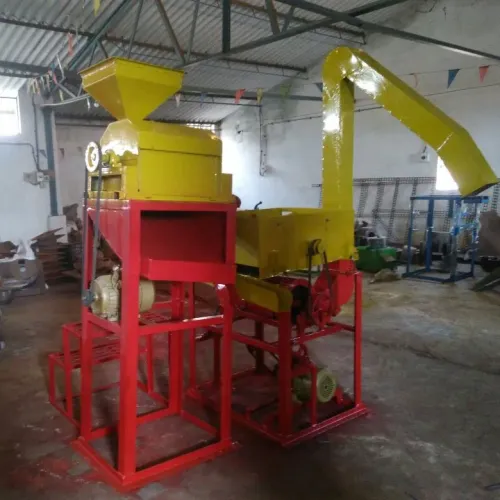
 | Granulator Machine Fertilizer Granule Making Machine Automation Grade Semi Automatic Usage/Application Agriculture Product Type Fertilizer Granule Capacity 300 Kg to 3 ton per Hour Price Range From... View product → |
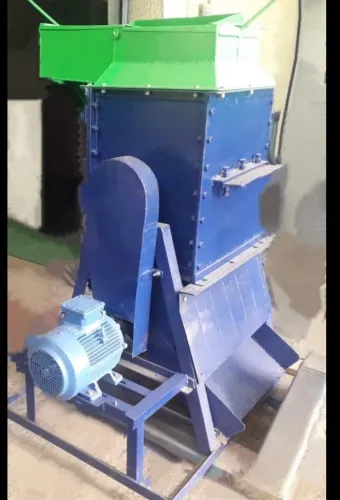
 | Granulator Machine Minimum Order Quantity 1 Piece Capacity 10 TPH Material to be Granulated Organic Fertilizers Phase Three phase Motor Power 5HP Chemical Fertilizers... View product → |
Frequently asked questions
Which fertilizer granulator should I choose for my formulation?
Choose by feed chemistry, moisture, bulk density, particle size, binder and caking tendency. Match those properties to the required formulation and process route before comparing machine names.
What is the difference between pan, drum, extrusion and roller-compaction granulators?
Pan granulators suit flexible production and controlled batch work; drum granulators suit continuous higher-volume processing; extrusion granulators form dense products with limited liquid addition; roller compactors densify dry powders into flakes before crushing and sizing.
How do I calculate a fertilizer granulator’s saleable output?
Convert the stated feed rate by allowing for moisture adjustment, recycle, oversize, fines, start-up losses and downtime. Treat the remaining in-specified product as saleable tonnes per hour.
What should I request before buying a fertilizer granule machine?
Request a trial using your actual feed and binder, a particle-size analysis of the result, power and utility requirements, recycle assumptions, and a written guarantee for capacity and product quality.
Related product
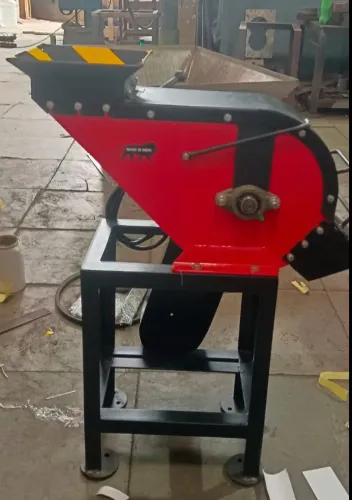
 | Lumps Breaker Machine Product Details: Production Capacity 800kg/ hr Power Source 5HP elec. View product → |
Keywords