Commercial cattle feed production is a controlled material-flow process, not simply the grinding of maize and bran. By following the line from raw-material inspection to bagging, you can match each machine component to the feed form, output target and quality checks your plant needs.
Key takeaways
- Verify ingredient moisture before grinding and pelletising.
- Choose mash for simpler handling or pellets for uniform dosing.
- Treat 500 kg/h as rated throughput, not guaranteed output.
- Match weighing, mixing and bagging capacity across the line.
The complete cattle feed making process: from raw material to bag
A commercial cattle feed making process moves ingredients through a controlled line, from inspection and formulation to a stable mash or pellet in a sealed bag.
- Receive maize, bran, oil cakes, minerals, salt, vitamins and additives. Check moisture, infestation, contamination and lot identity before placing stock in covered storage.
- Clean the ingredients through a sieve and magnet to remove stones, husks, metal and other foreign matter.
- Grind maize and other coarse materials in a hammer mill or pulveriser to the particle size required by the ration.
- Batch each ingredient by weight against the nutrient formula. Include moisture variation; grinding ingredients together cannot correct an incorrect protein, energy or mineral balance.
- Mix the dry batch until the ration is uniform, then add measured oil, molasses or other liquids without creating wet pockets.
- Discharge the blend as mash, or send it to a conditioner and pellet mill. Steam and controlled moisture soften starch, improve pellet durability and reduce fines.
- Cool fresh pellets in a counter-flow cooler, then screen out fines and recycle them if the formulation permits.
- Weigh the finished feed into bags, stitch or seal them, and mark the batch, date and net weight.
In Nagpur, covered storage, drainage, ventilation and moisture checks matter during monsoon humidity. A cattle feed making machine for process in Nagpur must also cool pellets before packing; warm feed traps condensation, causing mould, caking or bag failure.
How each machine component changes and moves the feed
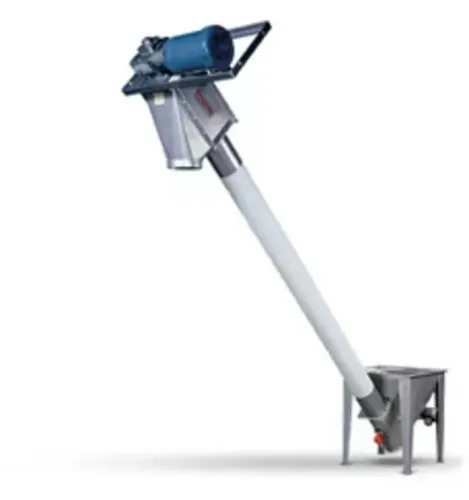
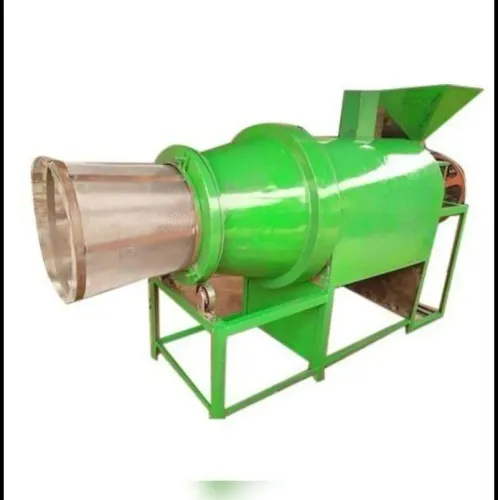
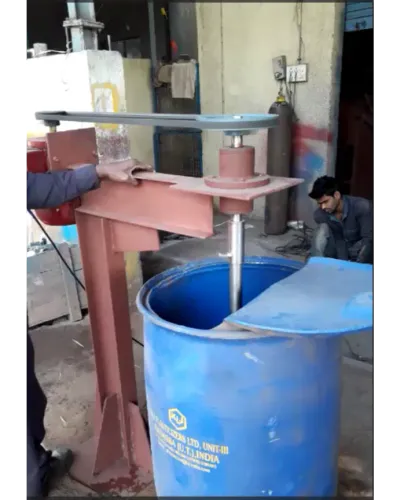
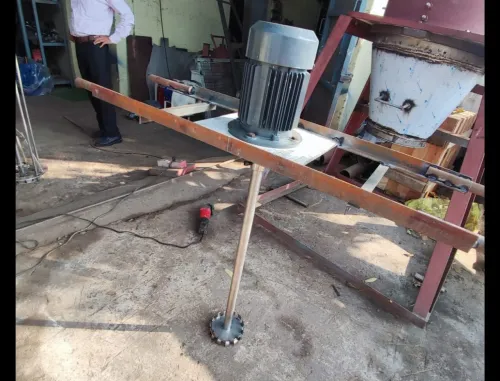
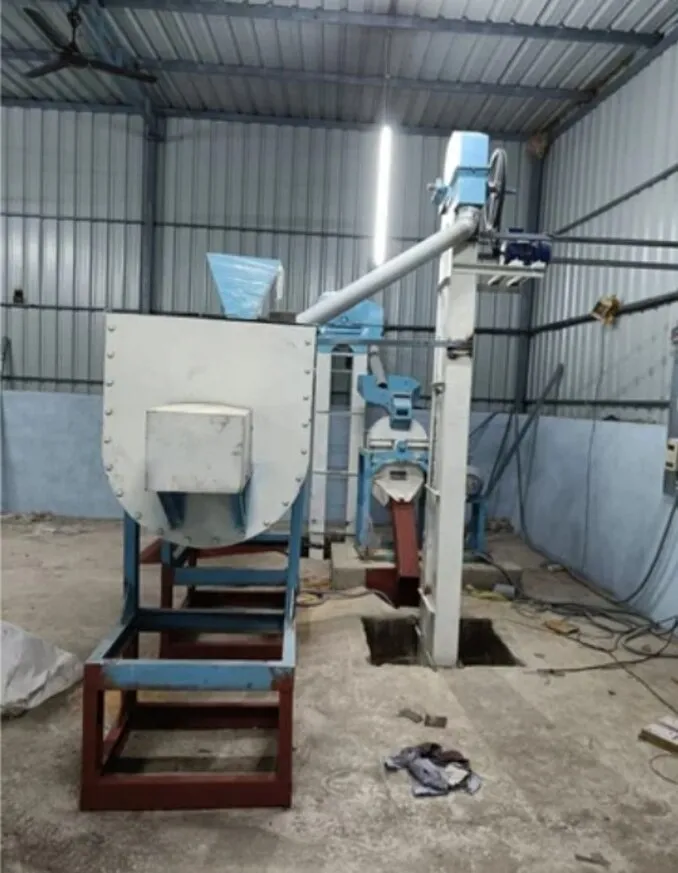
A commercial cattle feed machine moves material through controlled stages by gravity, screw feeders and motor-driven mills. During cattle feed machine working, the equipment changes particle size, combines ingredients uniformly, adds moisture and steam, then forms or discharges the finished feed.
- Hopper and magnet: The hopper regulates the incoming flow, while the magnet removes tramp iron before it damages the hammer mill or contaminates feed.
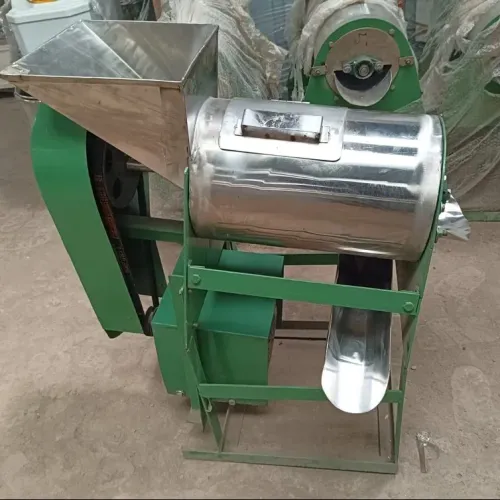
- Hammer mill or pulveriser: Rotating hammers reduce maize, bran and other ingredients to the size selected by the screen. A finer screen improves uniformity but increases power use and lowers throughput.
- Batching and mixer: Load macro-ingredients by weight, then add minerals, vitamins and medicines through a separate micro-dosing system or premix. The mixer distributes each dose through the batch; poor dosing creates nutrient variation even when grinding is correct.
- Conditioner: Steam and controlled moisture soften starch and bind particles. Too much moisture can block the die, while inadequate drying leaves feed prone to mould and caking.
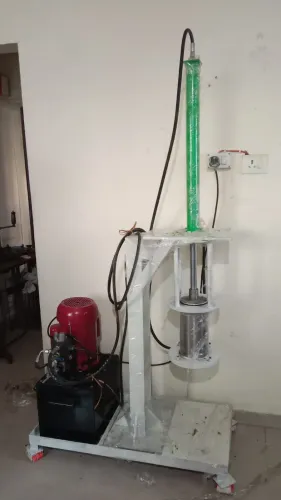
- Pellet mill: Rollers force conditioned material through die holes. Die diameter and compression determine pellet size, density and motor load; mash feed bypasses this step.
- Cooler and sieve: A counter-flow cooler removes heat and moisture from fresh pellets. The sieve returns fines for reprocessing and sends correctly sized pellets to the bagging point, where warm feed must not be packed.
Preparing and weighing maize, bran, meals and additives
Prepare every ingredient to a tested, nutrient-based formula before loading the mixer; grinding ingredients together is not formulation. Set targets for protein, energy, fibre, minerals, salt, vitamins and approved additives, then account for moisture and ingredient variation.
1. Sample each delivery of maize, bran and meals. Check moisture with a calibrated meter, inspect for mould, insects, rancid odour and foreign material, and record the lot number. Reject spoiled material; do not correct it by adding extra ingredients.
2. Clean and size the ingredients for the cattle feed making process. Remove stones, metal and large debris, then grind maize to the particle size required by the ration and equipment. Screen bran and meals to break lumps without creating excessive dust.
3. Convert the formula to the correct basis. If the recipe uses dry-matter values, adjust the as-fed weight for measured moisture; otherwise a wet batch will deliver less nutrient than the calculation assumes.
4. Weigh maize, bran and protein meals in the main batching hopper. Do not estimate by bucket or shovel. Confirm each scale reading against the formulation sheet before releasing the batch.
5. Weigh minerals, salt, vitamins, medicines and other low-inclusion additives on a separate micro-dosing scale. Blend them first with a measured carrier, such as bran, so a small quantity does not remain in one mixer pocket.
6. Record actual weights, moisture and lot numbers, then load the mixer according to its specified sequence. Keep the approved formulation with the batch record.
Choosing mash, meal or pellets and setting the line
Loose mash and meal need only grinding, batching, mixing and discharge; pellets add conditioning, pelleting, cooling and screening to the commercial cattle feed machine.
| Product | Machine arrangement | Target settings |
|---|---|---|
| Mash | Grinder, batcher, mixer and bagging point | Fine, uniform grind; no steam; discharge directly after mixing |
| Meal | Grinder, batcher, mixer and bagging point | Coarser grind when the ration specification permits; no pellet mill |
| Pellets | Grinder, batcher, mixer, conditioner, pellet mill, cooler, screen and bagger | Controlled steam and moisture, followed by cooling before packing |
Set the line to the product, not to the motor size. For loose feed, choose a hammer-mill screen that delivers the required particle size, then mix until colour and texture are uniform. A finer grind improves pellet binding but increases power use and dust.
For pellets, set these controls together:
- Grind maize and other starch-rich ingredients consistently; oversized particles can block the die or weaken pellets.
- Add steam and water in the conditioner gradually. Excess moisture causes soft pellets, die blockage and mould risk.
- Select die diameter and compression for the ration and animal category; high-fibre feed usually needs a different setting from a grain-heavy formula.
- Run the counter-flow cooler until pellets reach near-ambient temperature and safe storage moisture, then screen out fines.
During cattle feed machine working, never bag hot pellets. Nagpur’s monsoon humidity makes covered storage, moisture checks, ventilation and rapid cooling essential; trapped condensation leads to caking and mould.
What 500 kg per hour means in a Nagpur plant specification
500 kg per hour is a test condition, not a promise of finished feed. A grinder rated at 500 kg/h may achieve that figure with dry maize, while a complete line loses throughput during weighing, mixing, conditioning, pelleting, cooling, screening and bagging.
Fibre, fat, bulk density, particle size, pellet diameter, die compression, moisture and recycled fines all change the result.
Ask the supplier to define the formulation and product behind the rating, then run a sustained acceptance test rather than a short no-load trial. Record:
- Net saleable feed produced per hour, excluding screen returns and stoppages
- Batch-weight accuracy and mixer coefficient of variation
- Final moisture at discharge and after cooling, using a named moisture meter and sampling method
- Pellet durability, fines percentage and the quantity returned from the screen
- Motor load, dust leakage and temperature during continuous operation
For feed making machinery in Nagpur, the specification must also cover monsoon operation: roofed storage, stock rotation, drainage, ventilation, moisture measurement and dust-tight transfer points. Rapid cooling matters because warm, damp pellets can mould in the bag.
When comparing suppliers, ask Unique Enterprises to separate grinder capacity from complete-line capacity and state which equipment is included.
For a cattle feed making machine for process in Nagpur, confirm whether the quoted 500 kg/h applies to mash, pellets or a particular ration; a semi-automatic line also needs labour, power and bagging time in the calculation.
Related products
 | Cattle Feed Machine Type of Machine Cattle Feed Machine Automation Grade Semi Automatic Country of Origin Made in India At Unique Enterprises, we are Manufacturing and... View product → |
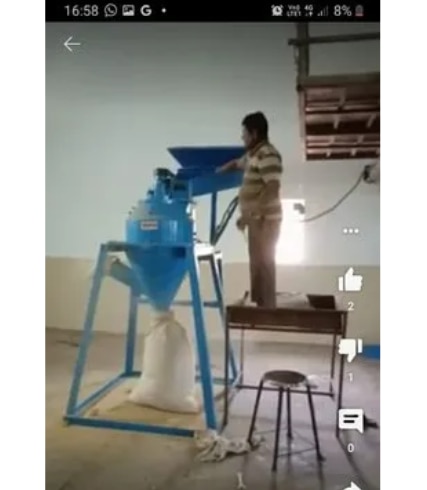 | Cattle Feed Machine Makka Chunni Cattle Feed Machine Capacity 500 kg per hr Motor Power 3 hp Weight 70kg Material iron Automation Grade Semi Automatic Brand UNIQUE ENTERPRISES Country of Origin Made in... View product → |
Frequently asked questions
What is the complete cattle feed making process?
The line inspects and stores ingredients, weighs the formula, grinds and mixes the materials, forms mash or pellets, cools and screens the product, then weighs and seals each bag.
How does each cattle feed machine component change the feed?
Hoppers hold ingredients, conveyors move them, grinders reduce particle size, scales control the recipe, mixers distribute nutrients, pellet mills compress mash, and coolers and screens stabilise the finished feed.
How should maize, bran, meals and additives be prepared and weighed?
Clean and inspect each ingredient, check moisture and particle size, weigh major ingredients separately from small additives, and use a defined formula before mixing.
Should a commercial cattle feed plant produce mash or pellets?
Select mash when you need a simpler line and lower processing demand; select pellets when you need uniform portions, less segregation and easier bulk handling.
What does 500 kg per hour mean in a Nagpur plant specification?
It is the stated feed rate under defined operating conditions. Confirm whether the figure applies to mash or pellets and ask how moisture, formula, changeovers and downtime affect actual output.
Related products
 | Poultry Feed Machine Type of Machine Cattle Feed Machine Automation Grade Semi Automatic Country of Origin Made in India At Unique Enterprises, we are Manufacturing and... View product → |
 | Poultry Feed Machine Semi Automatic Cattle Feed Machine Type of Machine Cattle Feed Machine Automation Grade Semi Automatic Country of Origin Made in India At Unique Enterprises, we are Manufacturing and... View product → |
Keywords