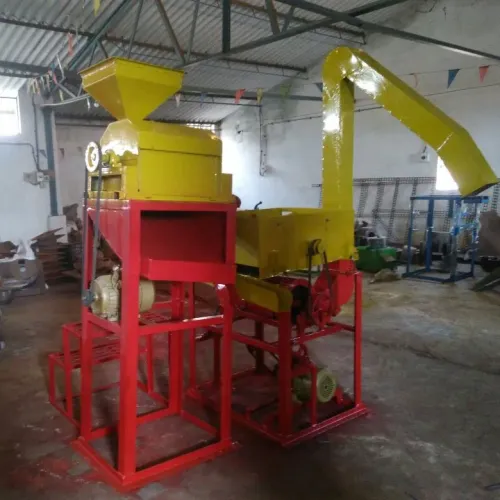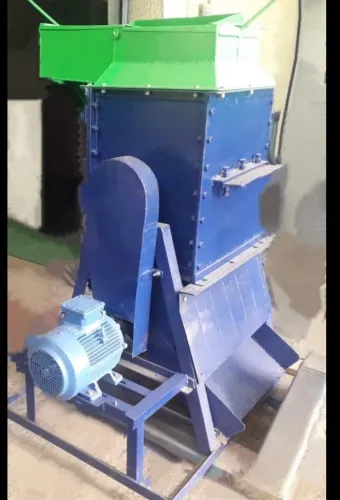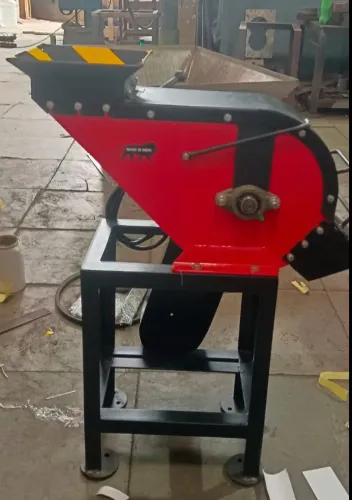
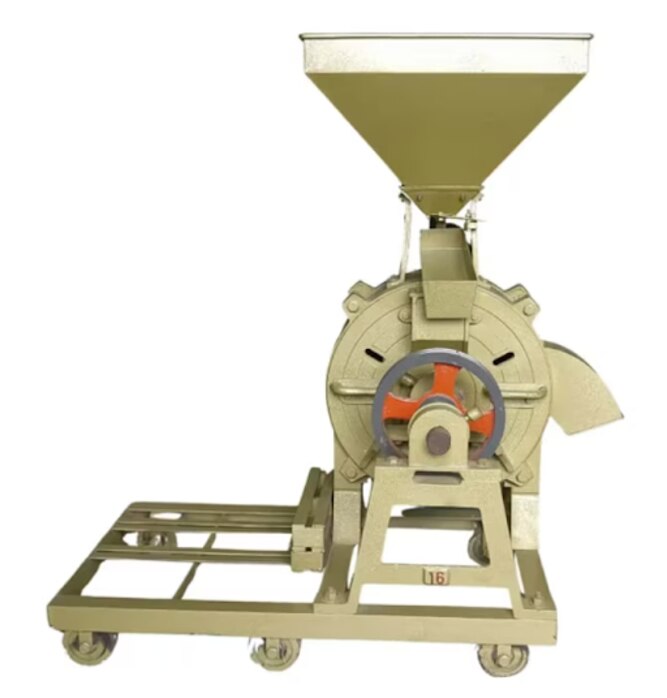
Grain becomes flour through a controlled chain of cleaning, moisture conditioning, grinding, separation and collection, not through one grinding pass. By following each stage, you can understand how flour quality is protected, why machines use different settings, and which process fits wheat, maize, rice, millet or pulses.
Key takeaways
- Inspect grain for mould, insects, moisture damage and foreign material before unloading.
- Condition kernels with controlled moisture and rest time before grinding.
- Use staged grinding, sifting and purification to separate flour from bran and germ.
- Match roller settings, sieve sizes and throughput to the grain and target flour.
How grain is cleaned before it reaches the grinder
A grain cleaning grinding process starts at intake, where you inspect the delivery for moisture damage, mould, insects, off-odours, broken kernels and foreign material before unloading. Damaged or mould-affected grain can lower flour colour, flavour and safety even after separation.
The cleaning line uses different separators because each targets a physical property:
| Separator | Property used | Material removed |
|---|---|---|
| Scalper or screen | Size | Sticks, husk, large debris and undersized material |
| Aspirator | Air resistance | Dust and light chaff |
| Magnet | Ferromagnetism | Iron and steel fragments |
| Destoner | Density and airflow | Dense stones |
| Scourer | Friction and impact | Surface dirt and loose outer material |
A magnet cannot remove stones, dust or non-ferrous metal, while an aspirator cannot capture dense grit. Stones chip or score rolls and grinding surfaces; metal can damage rolls, bearings, sifters and downstream equipment. The upstream magnet protects machinery, but final metal detection checks the finished flour and can identify contamination that passed the magnet.
Convey grain in enclosed equipment, connect dust collection at transfer points and clean settled dust through scheduled housekeeping. Bond and ground equipment, control sparks, hot bearings and open flames, and use explosion venting or suppression where the hazard assessment requires it. These controls prevent combustible grain dust from becoming an ignition event.
How conditioning prepares the kernel for controlled grinding
Measure incoming wheat with a calibrated moisture meter, then record grain temperature, variety and hardness. These readings set the conditioning target because hard and soft kernels absorb water at different rates.
1. Add water in a controlled dose based on measured moisture and the intended flour. Temper the wheat afterward so moisture migrates inward, toughening the bran and helping the endosperm detach cleanly.
2. Allow about 6–12 hours for soft wheat and 18–36 hours for hard wheat. Laboratory tests and pilot or production results set the actual residence time. Excess water raises storage risk, encourages caking and reduces microbial stability; the United States identity standard limits wheat flour moisture to 15 percent.
3. Do not grind immediately after adding water. The surface stays wetter than the kernel centre, so the bran smears or shatters while endosperm remains inconsistently attached, producing uneven separation.
4. Corrugated break rolls open the kernel in stages. The first break releases large endosperm pieces while preserving bran flakes; later breaks recover more endosperm. Sifting between passages directs each size fraction to its next route.
5. Smoother reduction rolls then process purified middlings through several gradual passages. This commercial flour milling steps sequence limits bran fragmentation, controls heat and produces a more consistent flour particle size than one aggressive pass. It is the core flour mill machine process for controlled wheat grinding.
How sifting, purification and recycling turn mixed stock into flour
One grinding pass does not make finished flour: it produces flour-sized particles alongside bran flakes, germ and coarse endosperm. Grinding breaks the kernel; sieving classifies the mixed stock afterward, which is why the flour mill machine process uses separate operations rather than asking one machine to do both jobs.
After each major break or reduction passage, a plansifter sorts by particle size. Flour goes to collection or blending, while larger particles return to the next suitable break or reduction passage.
This recycling is controlled, not endless: damaged sieve cloth, wrong mesh selection or overloaded compartments can send flour-sized material back to grinding, wasting power and raising temperature.
Purifiers add controlled air flow to sieving. Relatively clean middlings and bran differ in size, density, shape and aerodynamic behaviour; too little air leaves bran in reduction stock, while too much removes valuable endosperm. These checks are central commercial flour milling steps.
| Method | Separation pattern | Best fit |
|---|---|---|
| Roller milling | Bran, germ and endosperm remain separate, then flour streams are blended | White flour and controlled extraction |
| Whole-wheat atta | Cleaned bran, germ and endosperm are retained or recombined | Wholemeal flour |
| Stone milling | A stone or burr gap shears and crushes the kernel | Traditional, less fractionated products |
| Impact pulverizing | High-speed impact targets a selected particle-size range | Fine, specialised powders |
In atta milling, retaining bran and germ changes texture and rancidity risk. Roller mills pursue progressive reduction, while stone and impact systems use different break mechanisms and particle targets.
How grain type and machine settings change the milling result
A wheat line uses cleaning, tempering, break rolls and reduction rolls; other grains change the sequence. Understanding how a flour mill machine for process grain operates helps you choose settings that control particle size, throughput and heat in the grain cleaning grinding process.
| Grain | Preparation and milling change | Main control point |
|---|---|---|
| Wheat | Clean, temper, break the kernel, then reduce purified endosperm | Moisture and gradual roll reduction |
| Maize | Dehull or degerminate before grinding when a refined meal or flour is required | Germ removal and screen selection |
| Sorghum and millet | Dehull and aspirate carefully to remove husk without losing endosperm | Airflow and surface separation |
| Rice | Dehusk before grinding the kernels | Complete husk removal |
| Pulses | Clean, grade, dehull or split before flour production | Feed uniformity and dehulling |
Set the machine in this order:
- Control feed rate: overfeeding raises motor load and leaves coarse material.
- Adjust the stone or burr gap, or roller gap: a gap that is too tight creates heat and excess fines.
- Choose screen mesh: a coarse mesh passes larger particles; a fine mesh increases resistance and recirculation.
- Set aspiration carefully: excessive airflow removes valuable endosperm, while weak airflow leaves husk and bran.
- Watch the discharge and motor: hot flour, a burnt or stale aroma, darkening flour, a blocked screen or an overloaded motor sound signals trouble.
Blunt stones, an undersized motor and poor airflow intensify heating and reduce nutrient and flavour retention. Stop and correct the cause before continuing; another pass will not restore heat-damaged flour.
How to match a flour milling setup to quality, yield and production needs
Choose extraction rate before choosing a flour mill machine process. Conventional white wheat flour often falls at 72–75 percent extraction: lower yield buys cleaner separation and lighter colour, while higher extraction retains more bran and aleurone. Wholemeal uses nearly the complete cleaned kernel.
Ash testing helps verify that choice. Ash is an indirect marker of bran and aleurone carryover because these layers contain more minerals than starchy endosperm; report the result on a stated moisture basis. It is not a direct measurement of fibre or nutrition.
Commercial flour milling steps produce separate streams that you can blend for consistent ash, colour, protein, moisture, particle size and baking performance. Germ- and bran-rich flour carries more lipid, so warm, oxygen-rich storage increases rancidity risk.
| Product | Extraction target | Stream strategy | Main consequence |
|---|---|---|---|
| White flour | About 72–75% | Select lower-ash streams | Cleaner colour and longer storage stability |
| Wholemeal | Nearly complete cleaned kernel | Retain or recombine bran, germ and endosperm | Higher fibre carryover and rancidity risk |
Specify these points before requesting a machine or small plant:
- Grain type, variety or hardness, and incoming moisture range
- Flour type, required extraction and intended baking use
- Feed rate, grinding stages and sifting stages
- Screen sizes and the required particle-size range
- Aspiration, dust collection and explosion-control provisions
- Cleaning access, upstream magnets and final metal protection
- Electrical supply, motor starting method and operator controls
Unique Enterprises can help translate those product and throughput requirements into a process layout; stone size or motor rating alone cannot define the result.
Related products
 | Pulverizer Machine Production Capacity upto 100 kg/hr Machine Type Mini Rice Flour Mill Motor power 1-3 HP Electricity Connection Single Phase Power Consumption upto... View product → |
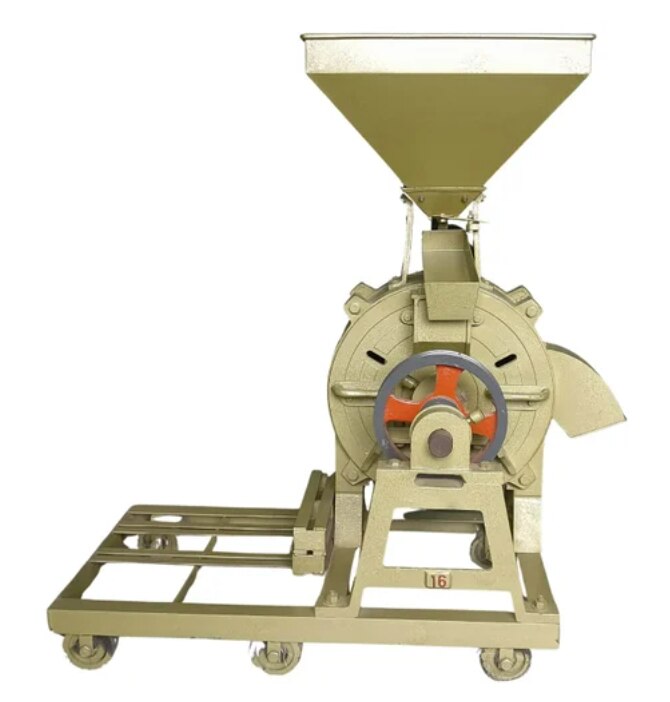 | Flour Mill Capacity 30 kg/hr Motor Power 3 HP Stone Size 14 inch Material of Construction Mild Steel Electricity Connection Single Phase As our name suggests,... View product → |
Frequently asked questions
How is grain cleaned before grinding?
Inspect incoming grain for moisture damage, mould, insects, off-odours, broken kernels and foreign material. Clean it with equipment such as screens, aspirators, magnets, destoners and scourers before grinding.
Why is grain conditioned before milling?
Conditioning adds a controlled amount of water and gives kernels time to rest. This toughens the bran and softens the endosperm, helping the mill release flour while keeping bran in larger flakes.
How do sifting and purification produce flour?
Roller passages break the grain into stock, sifters separate particles by size, and purifiers use airflow to remove light bran from middlings. Unsuitable stock returns to later grinding passages.
How do grain type and machine settings affect flour quality?
Wheat hardness, moisture, protein content and kernel size affect grinding behaviour. Roller gap, feed rate, sieve selection, airflow and roll speed influence particle size, colour, ash and extraction yield.
Related products
 | Flour Mill Capacity 1 ton/Day Material Mild Steel Design Customized Power Consumption 16Hp Automation Grade Automatic At Unique Enterprises, we are... View product → |
 | Flour Mill As our name suggests, we are new and unique kind of a designing company Manufacturing and Exporting Mawa and Khoya Making Machine, Ribbon & Conical... View product → |
Keywords