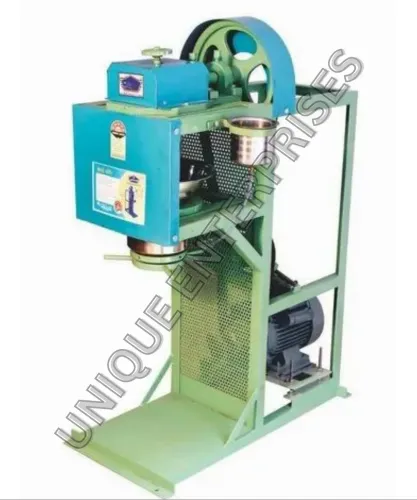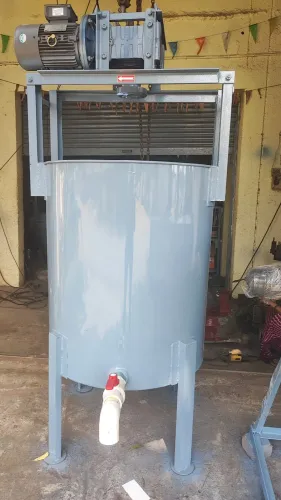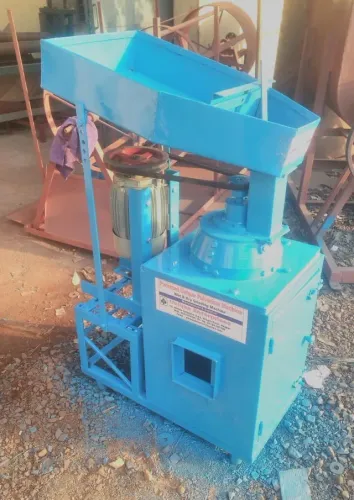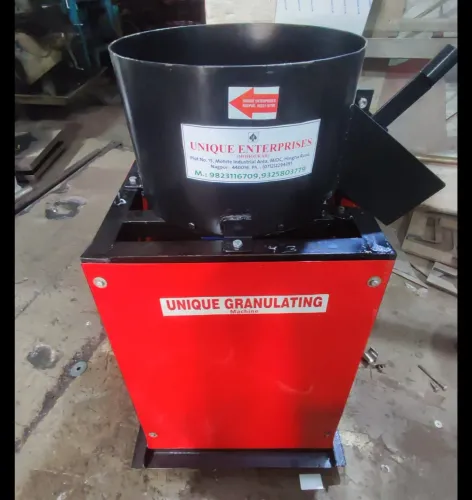
Granulation is widely used when fine powders need to be converted into larger, more manageable granules. The process can improve handling, reduce excessive dust, and prepare materials for subsequent manufacturing stages. A Pan Granulator provides a practical method for carrying out this process across several industrial applications.
For fertilizer manufacturers, chemical processors, agricultural input businesses, and other processing industries in Nagpur and across Maharashtra, understanding the working principle of pan granulation is useful before planning a production line.
How Pan Granulation Works
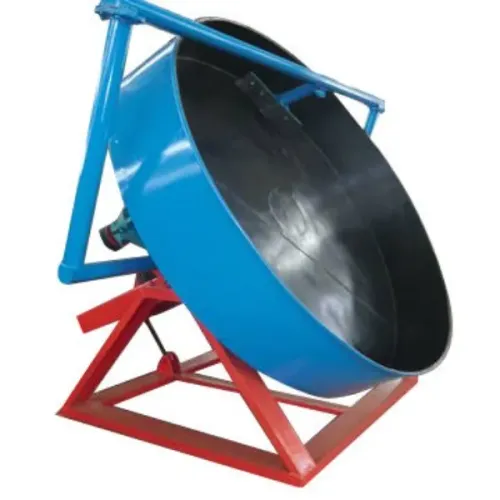
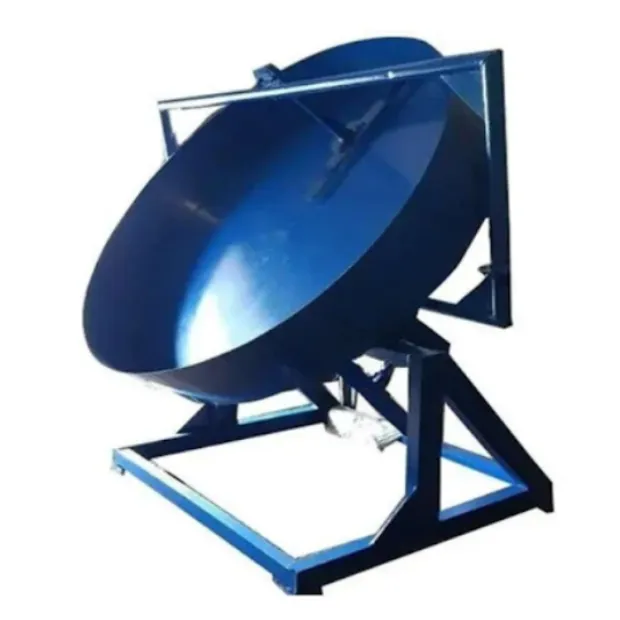
A pan granulation system generally uses an inclined rotating pan. Powdered feed material enters the pan while a suitable liquid binder is introduced according to the process requirement.
As the pan rotates, particles repeatedly move, roll, and interact. Fine particles begin adhering to each other and gradually develop into granules.
Granule development depends on multiple factors, including:
- Pan inclination
- Rotational speed
- Feed rate
- Binder quantity
- Raw material properties
- Moisture level
- Required granule dimensions
These variables need to work together. Simply increasing production feed does not automatically produce better granules.
Why Granule Uniformity Matters
Uniformity can affect several downstream processes. Materials containing excessive fines alongside oversized granules may require additional screening and recycling.
A more controlled granulation process can help manufacturers achieve a narrower size distribution and improve handling characteristics.
Depending on the application, consistent granules may also support more predictable drying, packaging, storage, and product application.
Applications Across Processing Industries
Pan granulation equipment is particularly associated with fertilizer production, but its usefulness is not limited to one sector.
Potential applications include:
- Organic fertilizer processing
- Bio-fertilizer production
- Mineral processing
- Chemical manufacturing
- Agricultural formulations
- Selected industrial powder-processing applications
Actual machine configuration depends heavily on the physical characteristics of the material being processed.
Raw Material Behaviour Comes First
Two powders that look similar can behave very differently inside granulation equipment.
Particle size, bulk density, moisture absorption, binder response, flow behaviour, and composition can all affect granulation. This is why equipment selection should begin with material information and the required finished granule specifications.
Manufacturers should ideally identify the expected input characteristics before determining machine capacity and configuration.
Granulation Is Part of a Larger Process
A granulator rarely works alone in an industrial production environment. Depending on the application, the complete system may also involve feeding, mixing, drying, screening, recycling, conveying, and packaging equipment.
Businesses planning a new facility should therefore consider material movement between each stage rather than evaluating individual machines separately.
This approach can help prevent bottlenecks where one machine has substantially greater capacity than the equipment positioned before and after it.
Practical Considerations for Maharashtra Manufacturers
Nagpur has convenient access to agricultural and industrial markets across central India, making processing equipment relevant to businesses serving fertilizer and agricultural sectors throughout Maharashtra and neighbouring regions.
Unique Enterprises manufactures industrial processing equipment for different production applications. When evaluating a Pan Granulator, businesses should discuss material properties, required output, granule size expectations, available utilities, and integration requirements.
Granulation performance depends on the complete process rather than one specification on a machine catalogue. Understanding material behaviour, operating parameters, and downstream requirements gives manufacturers a stronger foundation for designing a practical production system.
Keywords