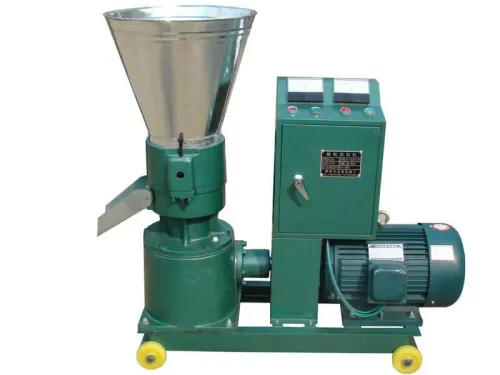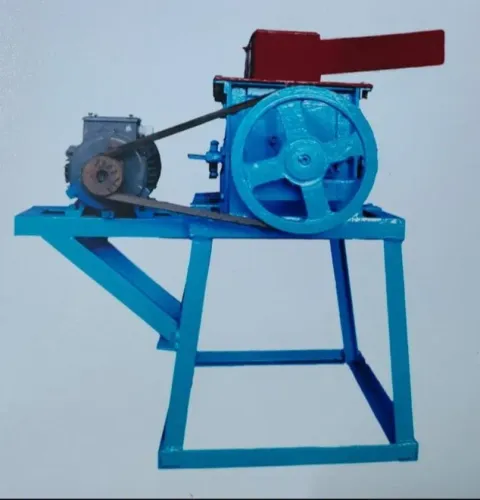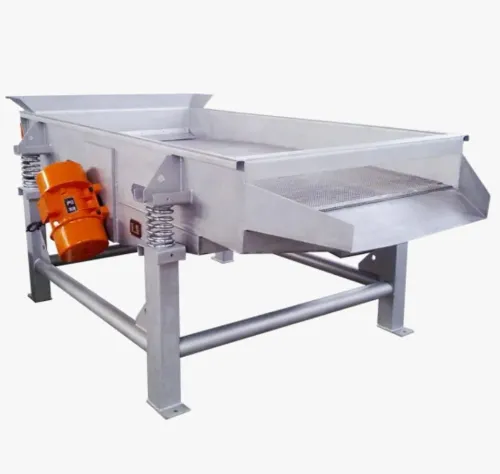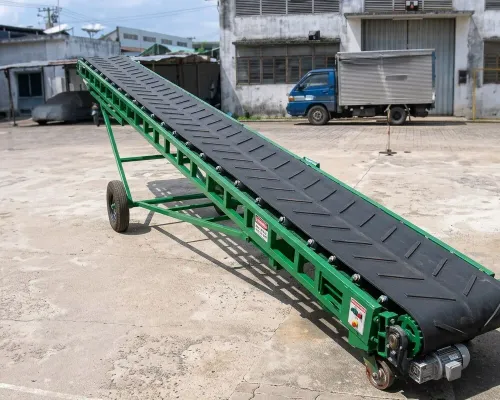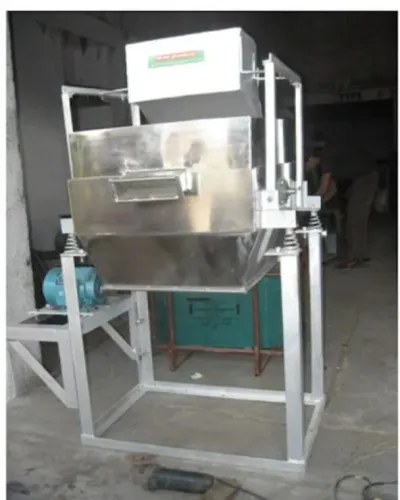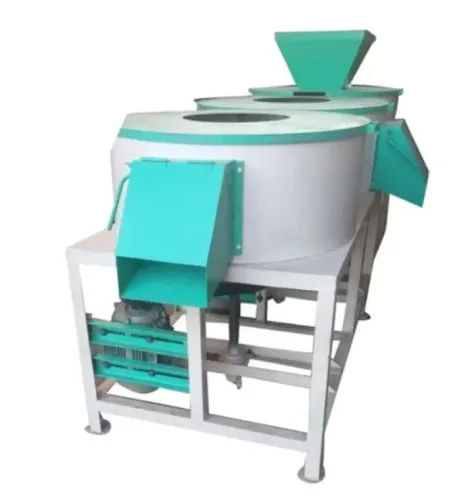
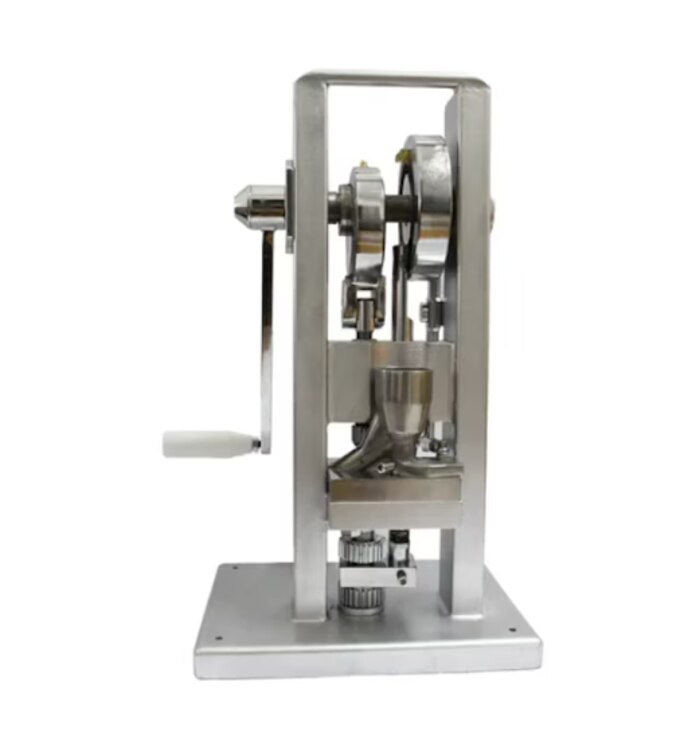
A camphor tablet press is only one part of a production line, and its advertised hourly figure does not tell you how many acceptable, packed tablets you will actually make. Before comparing machines, define the feed material, tablet specification, tooling, dust controls, quality tests and acceptance conditions that determine usable output and installed cost.
Key takeaways
- Map powder preparation, compression, dust extraction and packing before comparing presses.
- Test camphor flow, dust levels and formulation compatibility with the proposed feeder.
- Calculate saleable tablets per hour after rejects, changeovers and downtime.
- Specify tooling, tablet checks and acceptance-test conditions in the supplier quote.
Map the complete production sequence before comparing presses
A press is only one link in the camphor tablet production process. Map the material path from incoming camphor to sealed packs, because a machine that compresses well can still fail if powder preparation, feeding, dust extraction or packing is missing.
1. Receive and weigh camphor crystals or powder, then define the required camphor powder preparation. Confirm whether production needs a pulverizer, sieve, mixer, binder or lubricant addition, and specify the target particle-size distribution, moisture limit and batch size.
2. Transfer the prepared blend into a covered hopper or intermediate bin. Include dust extraction, weighing controls and a method for preventing segregation during storage and conveying.
3. Feed the blend into the press. Check whether its feeder maintains a steady flow at the intended tablet weight and whether the die cavity supports the required diameter, thickness, profile and number of cavities.
4. During die filling, the machine must control fill depth and compression force without bridging, overfilling or starving cavities. Require sampling or in-process checks for tablet weight and hardness.
5. After compression, specify tablet ejection and collection: discharge height, collection tray or conveyor, dust removal and rejection of chipped, cracked or incorrect tablets.
6. Complete the route with dedusting, inspection, counting and packing. Confirm whether the line needs a tablet deduster, metal detector, counter, pouch or blister packer, date coder and sealing equipment.
Put every transfer, hold point, cleaning step and changeover into the layout before comparing press speeds or quoted capacity.
Confirm the camphor formulation, powder behaviour and dust controls
A successful demonstration with a different camphor grade proves little. Test the press with retained samples of the exact synthetic camphor, additives and packaging-seasoned powder intended for production, because crystal habit, fines and flowability change die filling and tablet strength.
Before approving the machine, require the supplier to record:
- The camphor powder particle size distribution, including the percentage of fines, and the acceptable range for consistent feeder performance.
- The camphor moisture limit, measured before compression; excess moisture can cause sticking, while overly dry powder can increase dust and weak-tablet defects.
- Binders and lubricants compatibility with the camphor and contact surfaces, including the specified concentration, mixing time and maximum hold time before pressing.
- A formulation trial covering die filling, ejection, tablet weight, crushing force, friability, sticking, capping and lamination.
- The upstream equipment needed to meet those conditions: a mill, sieve, mixer, moisture control or calibrated weighing system.
Treat dust control as a system, not as an “explosion-proof motor” purchase. Require local capture at the hopper, feeder, transfer path and enclosure, plus bonded conductive parts, accessible cleanout points and a written cleaning method that does not disperse settled dust.
Obtain the powder’s minimum ignition energy, maximum explosion pressure and Kst values, then have the extraction, filters, ducting and electrical equipment selected against the documented hazard assessment. A downstream collector alone will not prevent dust accumulation inside the press.
Convert the advertised capacity into saleable tablets per hour
A quoted 15 kg/hr camphor machine does not promise 15 kg of packed tablets each hour. Convert the claim using the intended tablet weight and dimensions: diameter and thickness affect die volume, filling behaviour and tooling, while weight converts material throughput into tablet count. Ask whether the figure is theoretical, continuous or tested output.
For a rotary press, calculate theoretical tablets per hour as:
number of cavities × turret revolutions per minute × 60
Then multiply that tablet count by tablet weight in grams and divide by 1,000 to find mass per hour. A press producing 100,000 theoretical tablets per hour at 0.50 g each equals 50 kg/hr before losses.
Subtract these losses from the theoretical figure:
- Incomplete die filling and speed reductions needed to hold weight and hardness
- Startup samples, in-process samples and rejected tablets
- Cleaning, hopper refilling, stoppages and product changeovers
- Capping, lamination, sticking, double impressions and other defects
For example, 100,000 tablets per hour at a 0.50 g weight, with an 85% saleable yield, produces 85,000 saleable tablets, or 42.5 kg/hr. That is the meaningful rated capacity versus saleable output comparison.
Require an acceptance run using your exact camphor grade, excipients, tablet weight and dimensions. Record cycle speed, weight variation, thickness, crushing force, friability, defect percentage and downtime; a press can meet its advertised rate while producing tablets unsuitable for packing.
Check tooling, compression control and tablet-quality monitoring
Strong, uniform camphor tablets depend on accurate camphor tablet press tooling, stable die filling and controlled compression—not the press’s headline speed. Specify the usable compression-force range, force measurement at each compression station, and the permitted force for your punch and die set. Excessive force raises ejection load, tooling wear, sticking, capping and lamination.
Tooling compatibility must be written into the quotation. B tooling and D tooling differ in punch size, die bore and force capacity; switching between them can require another turret, feeder or change parts.
| Standard | What to verify | Selection risk |
|---|---|---|
| B tooling | Punch-tip diameter, die bore, tablet profile and permitted force | A press may need change parts before it accepts B tooling |
| D tooling | Larger tooling dimensions, turret clearance and ejection limits | The advertised interchangeability may not include D tooling |
| EU or TSM | Standard dimensions, keying, coating and supplier availability | A non-matching turret can stop an otherwise suitable press |
Require tablet weight control through load-cell or compression-force monitoring, automatic fill correction and alarm limits—not manual fill-depth adjustment alone. Ask for automatic rejection of out-of-weight and out-of-force tablets, separate reject collection, and a documented startup and restart procedure; camphor segregation can cause weight drift after stoppages or partial hopper emptying.
During the trial, record weight variation, thickness, crushing force, friability, disintegration or dissolution where relevant, and the percentage of capping, lamination, sticking and double impressions. Repeat the checks after a restart and reject any batch that meets output but fails its agreed quality limits.
Write the supplier quote and acceptance test around your real production needs
Require a quotation for the complete production line, not only the tablet press. Ask Unique Enterprises, or any supplier, to state whether the price includes the feeder, tooling set, spare punches and dies, commissioning, dust extraction and dedusting system interfaces, metal detection, and packing connections.
Require the quote to identify the camphor grade, excipients, tablet diameter, profile, weight, thickness, tooling standard, and permitted compression force used for evaluation.
1. Before purchase, approve a written factory acceptance test protocol. Set pass ranges for saleable tablets per hour, individual tablet weight, weight variation, thickness, crushing force, friability, defect rate, dust leakage, noise, and complete changeover time.
Define who supplies the exact camphor and excipients, how many samples are tested, and what happens if a limit fails.
2. Require the factory acceptance test to use retained samples of your production formulation, not a different camphor grade. Record particle-size distribution, moisture, lubricant level, and pre-processing equipment such as a mill, mixer, or sieve.
3. Make installation conditional on a site acceptance test. Repeat critical tests using your power supply, operators, tooling, dust extraction, and approved formulation. Measure turret and tooling removal, cleaning, seal inspection, reassembly, line clearance, and first-article approval as one changeover time.
4. If the workplace falls under ATEX, require the supplier to identify dust zones, equipment categories, and conformity documents before selecting motors, sensors, switches, vacuum equipment, or control panels. An IP enclosure rating is not an ATEX selection.
5. Link final payment to signed SAT results, training records, manuals, spare-parts lists, and correction of every failed item.
Related product
 | Camphor Tablet Making Machine Minimum Order Quantity 1 Piece Brand Unique Enterprises Capacity 15 kg/hr Automation Grade Fully Automatic Power 1HP Power Source Electric... View product → |
Frequently asked questions
What production steps should you map before choosing a camphor tablet machine?
Map the complete material path: incoming camphor, powder preparation, feeding, compression, dust extraction, inspection and sealed packing. A press cannot compensate for missing upstream or downstream equipment.
How do you check whether a camphor formulation suits a tablet press?
Review particle size, flow, moisture, bulk density, segregation, dust generation and electrostatic behaviour. Test the actual formulation in the proposed feeder and compression tooling.
How do you convert advertised machine capacity into saleable tablets per hour?
Start with the stated compression rate, then account for cavities per punch, reject rate, filling interruptions, cleaning, changeovers and planned downtime. Use the resulting figure for production planning.
What should a supplier quote and acceptance test specify?
Specify tablet diameter and weight, target hardness, thickness limits, tooling format, dust controls, operating speed, materials of construction, inspection records and the conditions for passing the production trial.