For many sweet shops and dairy manufacturers, mawa production becomes a critical bottleneck as order volumes increase. Traditional open-pan preparation requires continuous attention and considerable labour, while output can depend heavily on operator experience. Introducing a Mawa Making Machine can be a logical step when a business needs greater production structure and repeatability.
For dairy processors and mithai manufacturers in Nagpur and throughout Maharashtra, the decision should be based on production readiness rather than simply replacing a manual vessel with machinery.
Know When Manual Production Becomes Limiting
Manual preparation may remain practical when demand is small and production is carried out in limited batches.
Machinery becomes worth evaluating when businesses experience issues such as:
- Increasing daily production requirements
- Heavy dependence on skilled manual labour
- Difficulty scheduling multiple batches
- Variation between production cycles
- Limited ability to handle seasonal demand
- Increasing wholesale requirements
These are useful indicators that the existing process may no longer match business volume.
Match Capacity With Milk Availability
A larger machine is not useful when raw material supply cannot support its production potential.
Dairy businesses should assess reliable milk availability, expected mawa yield, number of production cycles, and seasonal changes in supply.
This calculation provides a realistic basis for determining suitable batch capacity.
Think About Finished Product Requirements
Mawa can be used across several traditional sweets and food preparations.
Different businesses may require specific moisture and texture characteristics depending on their recipes. Equipment discussions should therefore include the intended product characteristics rather than production volume alone.
Consistent operating procedures remain important even when machinery is introduced.
Assess Production Economics
Purchase price is only one component of an equipment decision.
Businesses should consider:
- Labour requirements
- Production time
- Batch capacity
- Utility consumption
- Cleaning time
- Maintenance
- Expected machine utilization
- Seasonal production levels
These factors provide a more useful picture of equipment economics.
A machine used regularly to support established demand may offer a different business case from equipment purchased before a market has been developed.
Prepare the Production Area
Before installation, evaluate the proposed workspace.
The area should support raw material movement, machine operation, cleaning, finished product collection, and maintenance access. Utility connections should be planned according to equipment requirements.
Good layout planning can prevent unnecessary congestion as production grows.
Connect Mawa Production With Sweet Manufacturing
Mawa preparation should not be planned independently from the rest of the facility.
After production, the material may need cooling, weighing, transfer to another processing stage, temporary storage, and preparation for specific sweets.
If downstream operations cannot handle the machine's output, production may still be restricted.
Choose Machinery Through Process Discussion
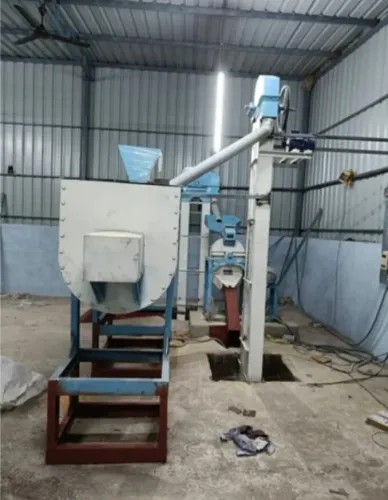
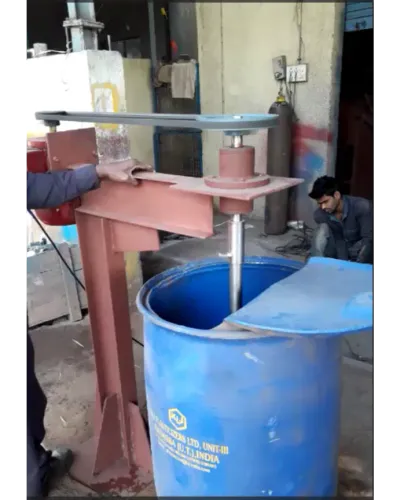
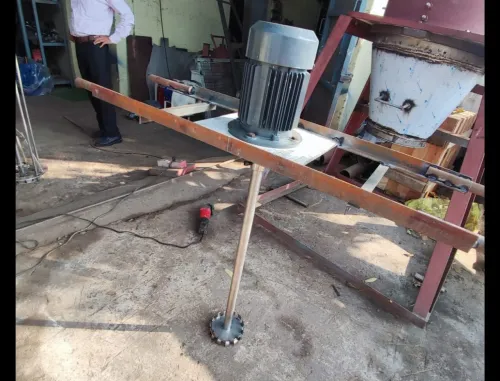
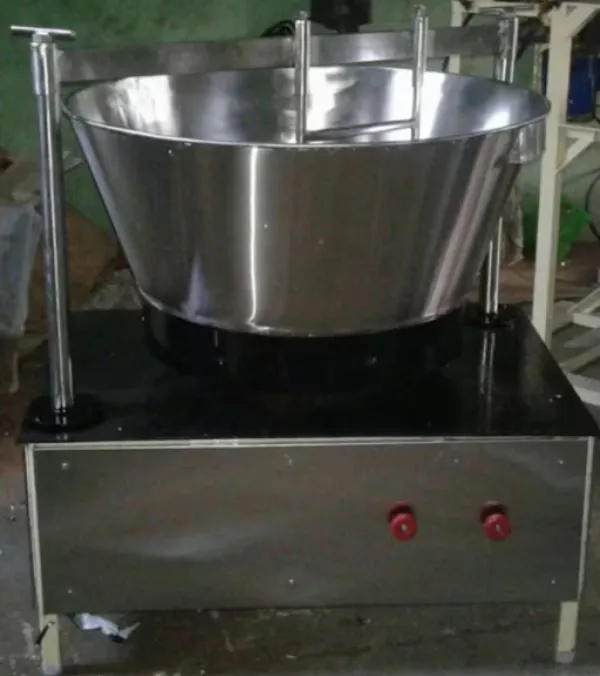
Unique Enterprises in Nagpur works with food manufacturers requiring machinery configured around different processing needs. Businesses considering a Mawa Making Machine can discuss batch expectations, production schedules, installation conditions, and finished product requirements before determining the appropriate setup.
For manufacturers serving retail and wholesale customers across Maharashtra, investing in machinery makes the most sense when demand, raw material supply, infrastructure, and downstream operations are already reasonably defined.
The goal is not simply to mechanize an existing manual process. It is to create a production arrangement that supports dependable output, manageable labour, practical cleaning, and future business growth.
When equipment capacity and actual production requirements are aligned, commercial mawa manufacturing can become easier to schedule and integrate with the wider dairy and sweet production workflow.