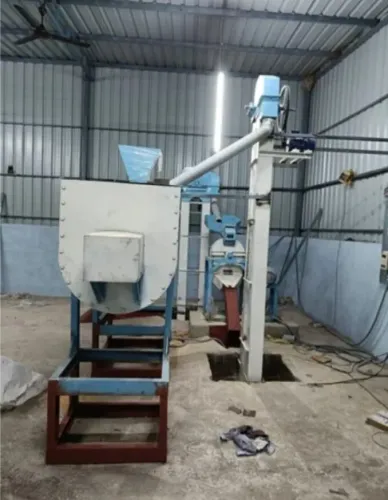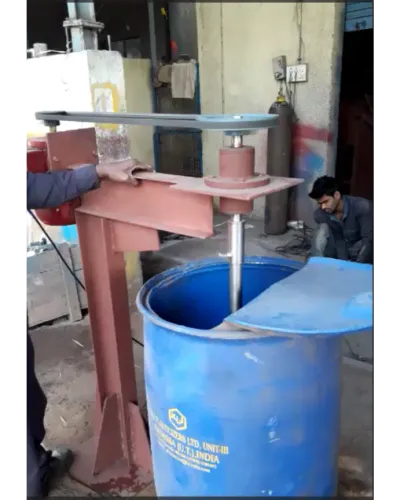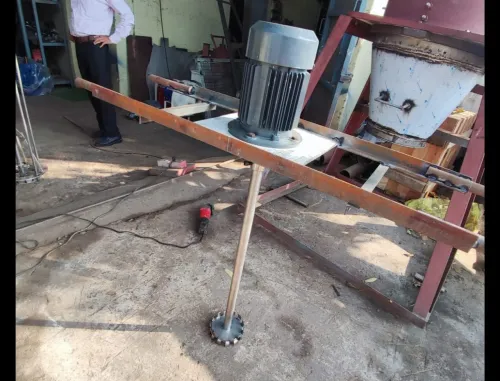
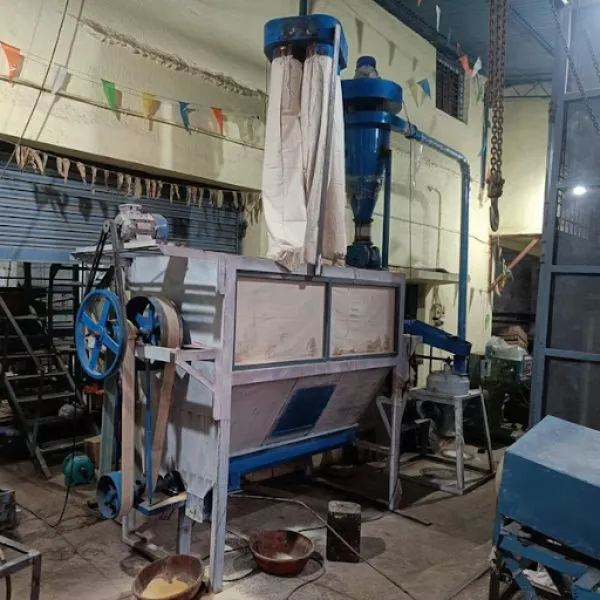
Commercial gram flour manufacturing requires more than installing a grinding machine. A productive Besan Plant needs a coordinated arrangement for raw-material preparation, feeding, grinding, separation, material movement, collection, and packing preparation.
For entrepreneurs and food processors planning a besan production unit in Nagpur or elsewhere in Maharashtra, understanding these stages before purchasing machinery can prevent capacity and layout problems later.
Start With Production Capacity
The first step is deciding how much besan the plant needs to produce.
A unit supplying local wholesalers may have different requirements from a manufacturer serving packaged-food companies or larger distribution networks.
Estimate:
- Required hourly production
- Expected daily output
- Number of operating hours
- Current market demand
- Expected future growth
The objective is to choose machinery that suits realistic production requirements.
Plan the Main Processing Stages
A commercial besan setup may include equipment for:
- Raw-material feeding
- Cleaning and preparation
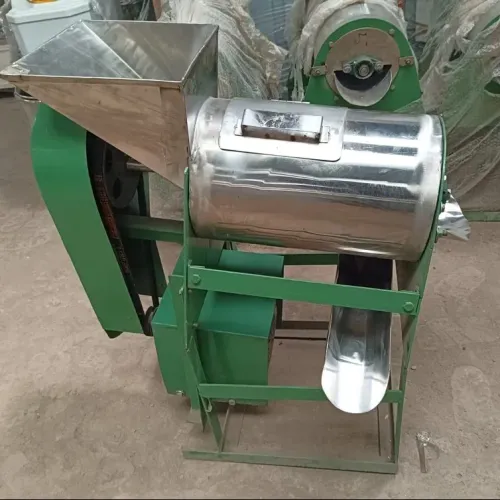
- Grinding
- Conveying
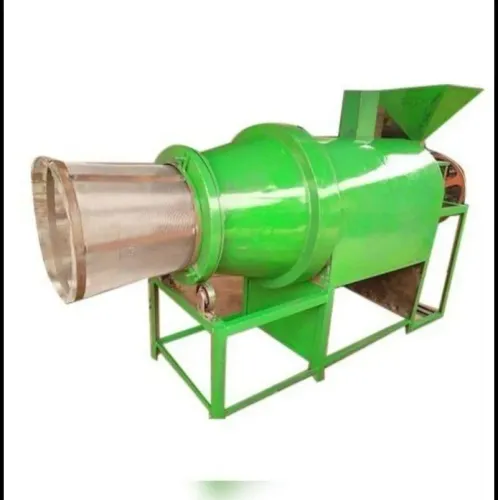
- Sieving
- Finished-product collection
- Packing preparation
The exact machinery configuration depends on plant capacity and production requirements.
Each stage should be coordinated with the next. Installing a high-capacity grinder provides limited benefit if feeding, sieving, or material movement cannot support the same production rate.
Grinding Requirements Need Careful Attention
Finished besan needs an appropriate texture for its intended market and application.
Processors should discuss required fineness, expected throughput, raw-material characteristics, and production hours with the machinery manufacturer.
The required particle size may influence practical grinding output, making it important to consider product specifications alongside machine capacity.
Besan Plant Planning in Nagpur
Nagpur provides access to markets across Vidarbha, Maharashtra, and neighbouring regions. Commercial gram flour can serve wholesalers, snack manufacturers, restaurants, caterers, food businesses, and retail distribution networks.
Unique Enterprises manufactures food processing machinery in Nagpur for commercial and industrial applications.
Businesses discussing a besan project should provide information about expected output, available space, raw material, electrical infrastructure, and future expansion plans.
Build an Efficient Material Flow
Plant layout has a direct influence on everyday operations.
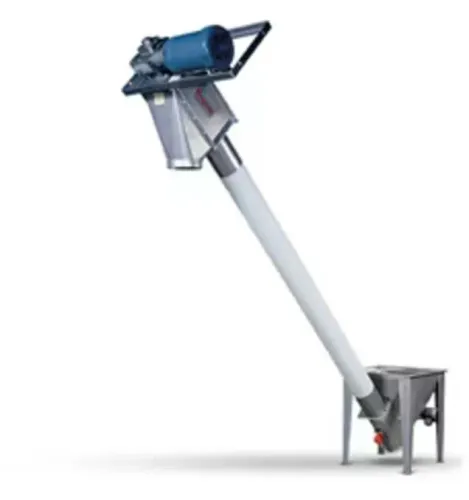
Raw material should move through the processing stages logically without excessive manual transfer. Where production volumes justify it, suitable conveyors can connect machinery and help maintain a more organised workflow.
Adequate access should also be maintained for operators, cleaning, inspection, and maintenance.
Keep Future Expansion in Mind
New businesses do not necessarily need to purchase maximum capacity immediately. However, the initial plant layout should avoid creating unnecessary obstacles to future expansion.
Leaving appropriate space for additional machinery, material-handling systems, or packing equipment can make later upgrades easier.
A well-planned Besan Plant is ultimately an integrated processing system. Capacity, grinding requirements, material movement, floor layout, and supporting equipment should be evaluated together to create a practical foundation for commercial gram flour production.
Keywords