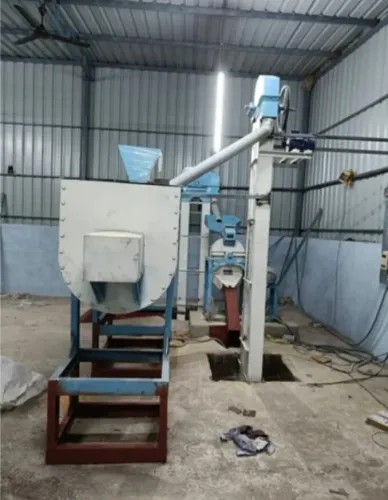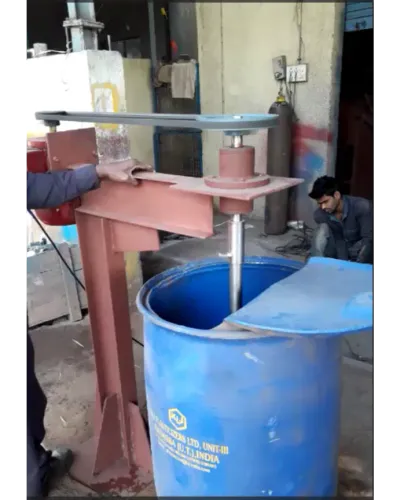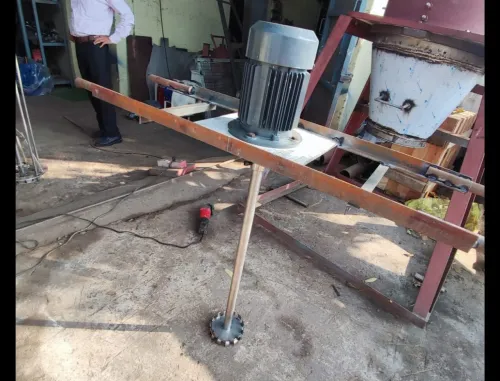
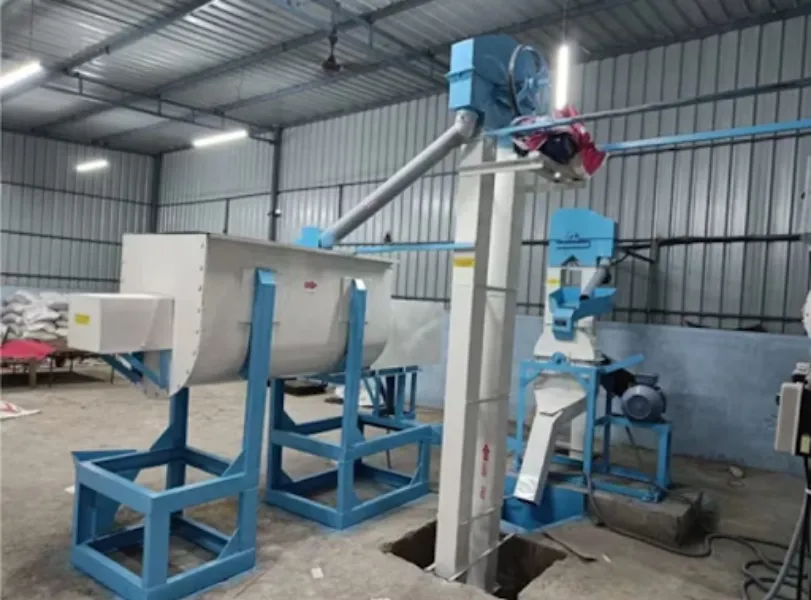
Expanding cattle feed production often exposes limitations that are less noticeable at smaller volumes. Manual handling becomes slower, batch variation becomes more difficult to manage, and mismatched machinery can restrict daily output. Selecting an appropriate Cattle Feed Machine is therefore an important step for businesses preparing to move toward structured commercial production.
For feed manufacturers, dairy-linked businesses, and agricultural processing companies in Nagpur and across Maharashtra, equipment selection should begin with the type of feed being manufactured.
Identify the Intended Feed Product
Cattle feed is available in different physical forms and formulations.
The processing requirements for mash feed can differ from those for pellets and other prepared feed products. Raw materials may include grains, agricultural by-products, mineral ingredients, and formulation-specific components.
Manufacturers should first define their product before selecting machinery.
Map the Production Process
A commercial feed operation may involve several stages, depending on the formulation and finished product.
These can include:
- Raw material receiving
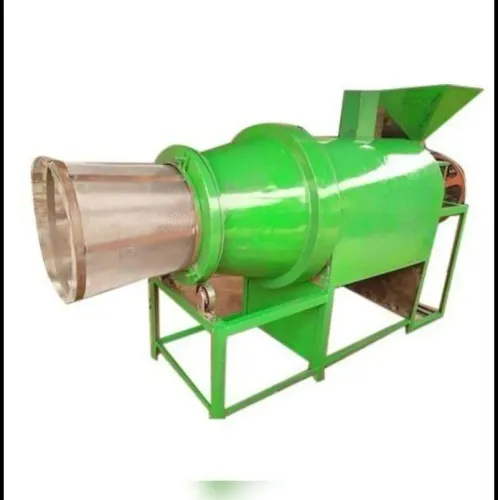
- Cleaning
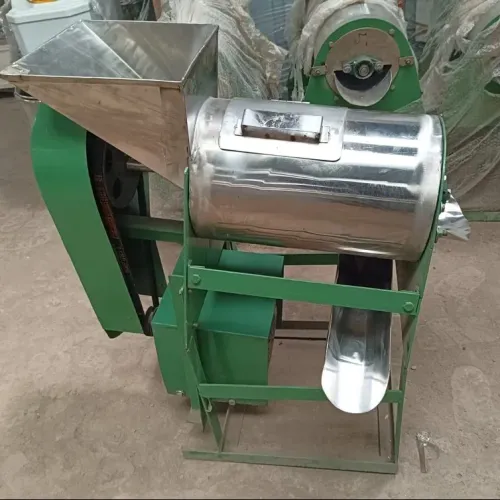
- Grinding
- Ingredient weighing
- Mixing
- Further processing where required
- Screening
- Packaging
- Finished goods storage
Understanding the complete sequence helps identify which machines are actually required.
Capacity Must Be Balanced
Buying one high-capacity machine does not create a high-capacity plant.
If grinding produces material faster than mixing can handle it, material begins accumulating. If packaging remains slow, finished feed may wait unnecessarily after processing.
Production capacity should therefore be evaluated across the entire line.
Mixing Uniformity Deserves Attention
Feed formulations depend on controlled ingredient proportions.
Mixing equipment should be appropriate for the batch quantity and physical characteristics of the ingredients. Consistent loading procedures and batch controls also contribute to repeatable production.
Machinery is only one part of achieving consistent feed. Raw material measurement and operating practices remain equally important.
Consider Labour Requirements
Growing businesses should examine how much manual handling occurs between machines.
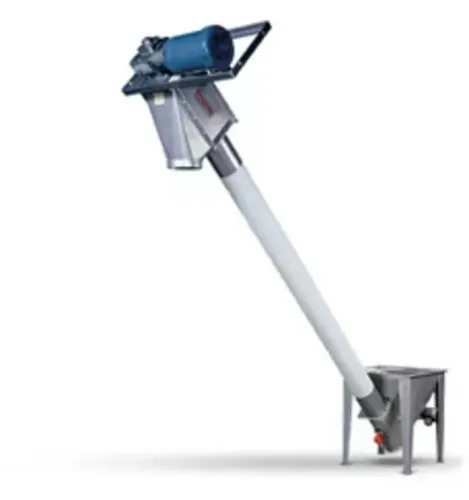
Repeatedly lifting sacks and transferring material by hand can become inefficient at higher volumes. Depending on the plant scale, conveyors and other material-handling arrangements may help streamline movement.
The objective is not automation for its own sake but a workflow appropriate to the required output.
Evaluate Expansion Readiness
A manufacturer producing moderate quantities today may expect demand to increase after developing a distributor network.
Machinery selection should account for realistic growth while avoiding unnecessary overcapacity. Factory layout can also reserve logical space for future additions.
For businesses serving livestock and dairy markets throughout Maharashtra, this flexibility can be valuable as distribution expands.
Select Equipment Around the Complete Requirement
Unique Enterprises in Nagpur supplies processing machinery for businesses with varied manufacturing requirements. When discussing a Cattle Feed Machine, buyers should provide information about feed type, ingredients, desired output, operating hours, available space, and existing equipment.
A suitable production setup should connect material preparation, mixing, processing, handling, and packaging efficiently.
Businesses ready to expand cattle feed production should look for clear indicators before investing, including stable demand, defined formulations, sufficient raw material supply, suitable factory infrastructure, and a realistic production target.
When these elements are established, machinery can be selected around measurable requirements rather than assumptions, creating a stronger foundation for scalable feed manufacturing.
Keywords