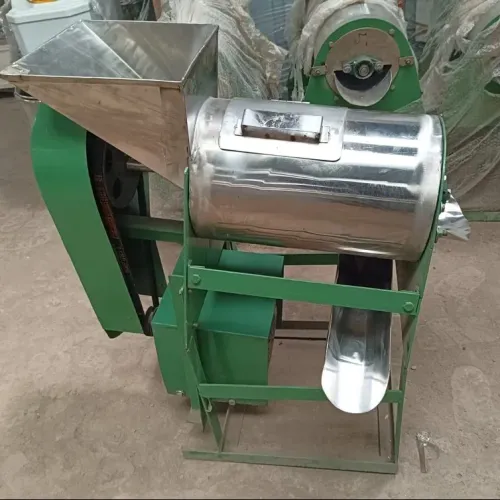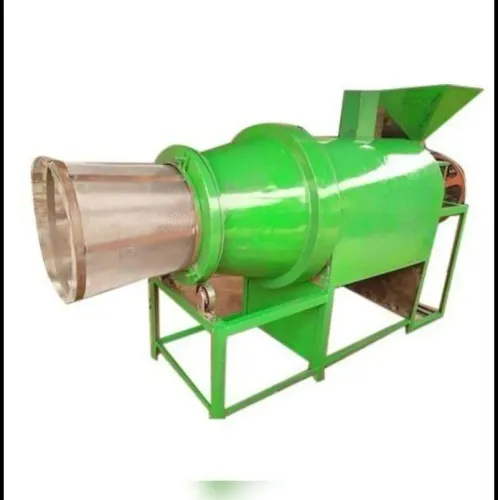
Commercial chilli grinding involves more than reducing dried chillies into powder. Spice processors need to consider raw-material characteristics, required fineness, production capacity, feeding arrangements, collection systems, cleaning, and overall plant workflow.
Selecting the right Chilli Grinding Machine therefore begins with understanding the production requirement rather than simply comparing motor ratings.
Define Your Required Production Capacity
Start by estimating how much chilli needs to be processed during a normal production shift.
Consider:
- Required kilograms per hour
- Daily production target
- Number of operating hours
- Seasonal production changes
- Expected business growth
A smaller spice producer and an industrial processing unit may require completely different machinery configurations.
Specify the Required Powder Fineness
Different spice products may require different particle characteristics.
The required fineness should be discussed with the machinery manufacturer because it can influence grinding performance and practical output.
Businesses should clearly define the type of finished chilli powder they intend to manufacture before choosing equipment.
Consider Raw-Material Conditions
The condition of dried chillies entering the machine can affect processing behaviour.
Moisture, size, preparation, and consistency of the raw material should be managed appropriately. Machinery should not be expected to compensate for highly inconsistent inputs.
Establishing basic raw-material standards can help maintain a more predictable production process.
Commercial Spice Processing in Nagpur
Nagpur has food manufacturers, spice processors, wholesalers, and agro-processing businesses serving markets throughout Vidarbha and Maharashtra.
Unique Enterprises manufactures food processing machinery in Nagpur, including equipment used for commercial grinding and pulverizing applications.
When discussing chilli processing machinery, buyers should provide details about required capacity, powder specifications, operating schedule, available space, and supporting equipment.
Check Cleaning Accessibility
Cleaning is particularly important when the same processing facility handles different spices.
Buyers should understand how product-contact sections are accessed and cleaned between production runs.
A machine that is difficult to inspect may complicate routine cleaning and maintenance.
Examine Feeding and Collection
A grinding machine does not operate independently.
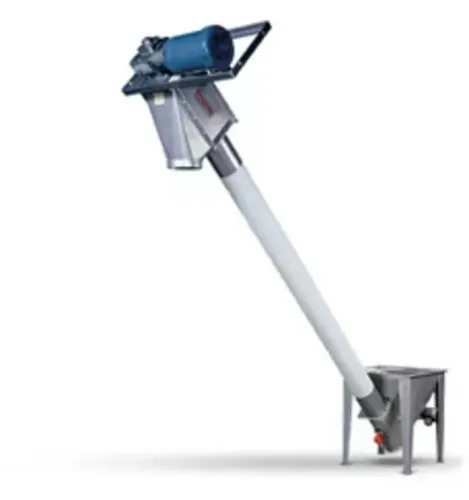
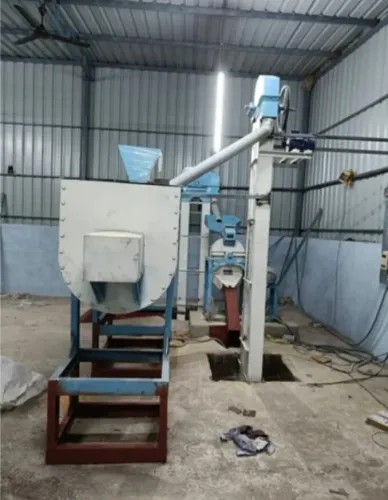
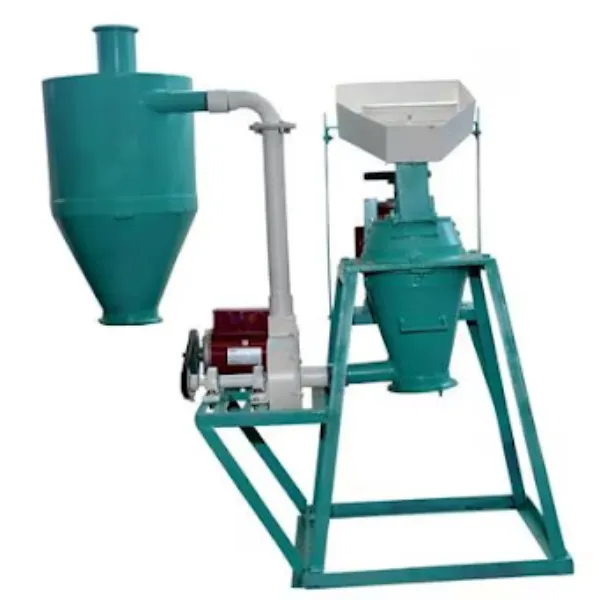
Raw material needs to reach the grinder at a suitable rate, while processed powder needs to move efficiently towards collection, sieving, blending, or packing.
As production increases, manual transfer between these stages may become a bottleneck.
Review Maintenance Requirements
Commercial machinery requires routine inspection and maintenance.
Before ordering, ask about normal wear components, recommended inspection intervals, cleaning procedures, and basic maintenance requirements.
A suitable Chilli Grinding Machine should match the material, required powder characteristics, practical production volume, cleaning needs, and overall processing line. Buyers who define these requirements before approaching a manufacturer can evaluate machinery on technical suitability rather than relying on headline specifications alone.
Keywords