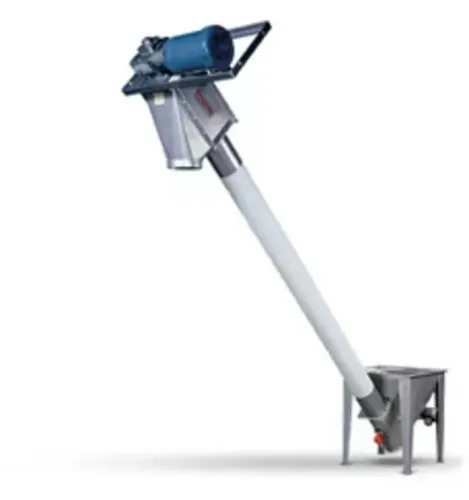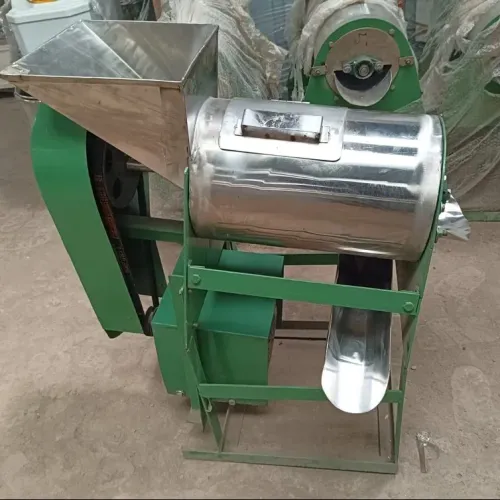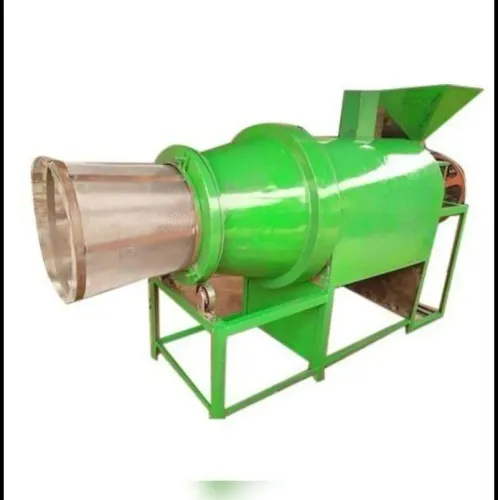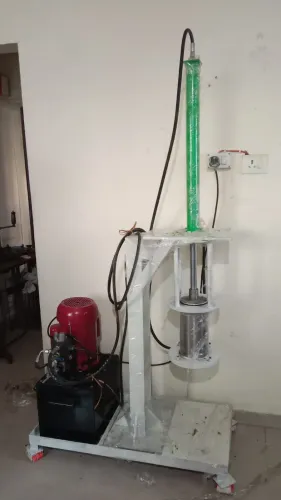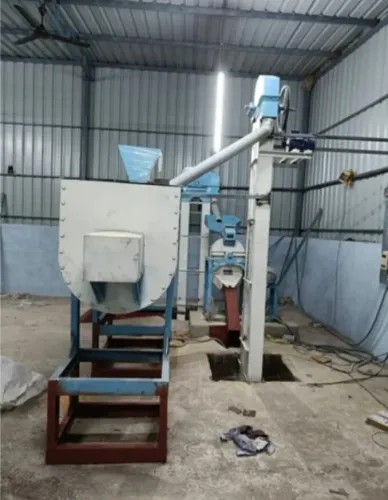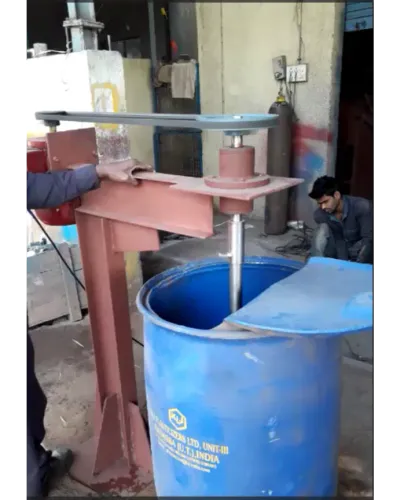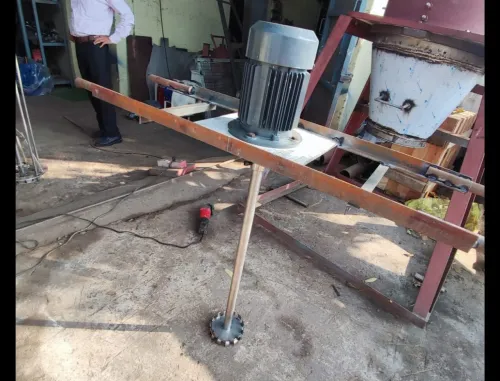
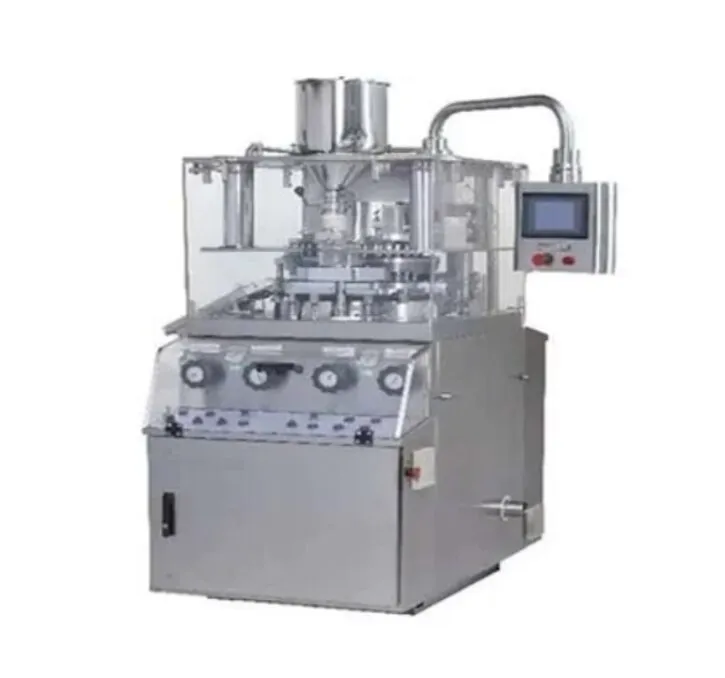
The word “pill” can describe a hand-rolled vati, an extruded pellet or a compressed tablet, and each form requires a different production system. By defining the dosage form, calculating saleable capacity and specifying formulation, site and validation requirements, you can compare machines without relying on an inflated kilograms-per-hour claim.
Key takeaways
- Define spheres, pellets or tablets before requesting machine quotations.
- Calculate saleable output from batch size, cycle time and shift hours.
- Match mixing, drying, granulation and compression equipment to the formulation.
- Require repeatability tests for weight, hardness, dimensions and reject rate.
Start with the dosage form, not the word “pill”
Specify whether the product is a spherical vati or gutika, an extruded pellet, or a compressed tablet before comparing machinery. These forms use different processes: wet-mass mixing and rolling for traditional spheres, extrusion followed by cutting for uniform pellets, and powder or granule compression for tablets.
A rotary press cannot produce a traditional spherical pill by itself.
| Dosage form | Matching process | Best fit |
|---|---|---|
| Spherical vati or gutika | Wet-mass mixer, rolling or forming, then tray or fluid-bed drying | Traditional products and small batches |
| Extruded pellet | Wet mixing, extrusion, cutting, drying and optional polishing | Sticky, fibrous or jaggery-based formulations |
| Compressed tablet | Granulation or powder preparation, lubrication, rotary or single-punch compression, dedusting and packing | Higher-volume, dimensionally uniform tablets |
The right Ayurvedic pills machine options depend on stickiness, fibre, sugar or jaggery content, and moisture sensitivity—not on the label “pill.” A startup or pharmacy may use manual rolling or a single-punch press; a contract or high-volume factory needs continuous preparation, compression and packing capacity.
For an Ayurvedic tablet making machine, state tablet diameter, weight range, hardness, disintegration time and surface finish in the specification. Also confirm punch-and-die standard, cup profile, embossing, keying, turret size and spare-tool availability before accepting a quotation. A low-priced press becomes costly when nonstandard tooling limits future formats.
Calculate saleable capacity from your actual batch and shift
A machine rated at 50,000 tablets per hour does not necessarily deliver 400,000 saleable tablets in an eight-hour shift. Remove cleaning, changeovers, stoppages and rejects before deciding your pill making machine capacity.
Use this calculation: saleable output = theoretical output × productive hours × running efficiency × (1 − reject rate). For example, a target of 250,000 tablets, 6.5 productive hours in an eight-hour shift, 85% running efficiency and 5% rejects requires about 47,600 tablets per hour.
For a single-layer rotary press, theoretical output is turret revolutions per minute × tooling stations × 60. A press running at 30 rpm with 27 stations produces 48,600 tablets per hour before losses, so it is close to this example’s requirement, not comfortably above it.
Check the calculation at your actual tablet weight, diameter, granule flow and formulation.
For traditional pills made by wet massing, rolling, extrusion or cutting, calculate kilograms of finished pills per shift from batch weight and complete cycle time. Include mixing, forming, drying, polishing and cleaning; the slowest stage sets the line output.
Use this checklist before comparing ayurvedic pills machine options:
- Record saleable units or kilograms required per shift, month and peak season.
- Measure actual batch weight, moisture, bulk density and reject rate.
- State shift length, cleaning time, changeover frequency and planned uptime.
- Ask each supplier to quote output at your product weight and tooling, not “kg per hour” alone.
- Add capacity for one product change or seasonal demand instead of running the machine continuously at its limit.
Design the complete line around the formulation
A sticky jaggery mass can clog a rotary press, while fibrous herbs can bridge a hopper. Select the line from measured formulation behaviour, not the label “pill.” A traditional vati may need wet-mass or planetary mixing, screening or extrusion, rolling or cutting, and tray or fluid-bed drying.
For a compressed product, the ayurvedic tablet making machine is only the centre of the line. Connect powder or granule preparation to lubrication, compression, dedusting, metal detection and packing. A press without controlled feed leaves you with segregation, dust and weight variation.
Specify these interfaces before requesting a quotation:
- Material: give bulk density, particle-size range, moisture content, stickiness, abrasiveness and fibre length. State whether the feed is powder, dry granule, wet mass, extrudate or rolled mass.
- Product: state pill or tablet weight, diameter, hardness, disintegration time, surface finish and permitted weight variation. A rotary press cannot make a traditional spherical pill by itself.
- Capacity: state pill making machine capacity with unit weight, diameter, bulk density, moisture, operating speed, number of stations, reject limit and planned availability. “Kilograms per hour” alone is not comparable.
- Utilities: document incoming-air temperature and relative-humidity limits, dust extraction, compressed-air quality, electrical supply, water quality and backup-power requirements.
- Site: check Nagpur’s summer heat, monsoon humidity, dust load, floor loading, access route, drainage and room clearances. These conditions affect drying time, sticking, powder flow and HVAC sizing.
Confirm that the feeder, dryer, tooling and packing machine accept your actual formulation—not a supplier’s test powder.
Compare tooling, hygiene and supplier support before accepting a quotation
A low quotation can become expensive when the press needs proprietary tooling, difficult cleaning or overseas spares. Compare the ayurvedic tablet making machine by its ownership requirements, not by its motor size or headline output.
| Item | Ask every supplier to specify | Why it affects ownership |
|---|---|---|
| Tooling | Punch-and-die standard, tablet diameter, cup profile, embossing, keying, turret size and supplied spare sets | Nonstandard tooling makes format changes and replacements dependent on one supplier |
| Hygiene | Product-contact materials, surface finish, access for cleaning, dust extraction and cleaning-validation documents | Residual herbal powder can contaminate the next batch and increase changeover time |
| Support | Installation scope, operator training, drawings, manuals, spare-parts list, response time and warranty exclusions | A minor failure can stop production if no local technical route exists |
| Capacity | Tablet weight, diameter, bulk density, moisture, station count, speed, reject rate and availability | “Kilograms per hour” is not comparable without product conditions |
Give the supplier measured Nagpur site data: incoming-air temperature and relative humidity limits, dust load, compressed-air quality, power stability, water quality and backup-power plan. Seasonal humidity can worsen sticking, flow and drying, so a generic city specification is inadequate.
Ask an Ayurvedic machinery manufacturer in Nagpur to demonstrate tool removal, die cleaning, lubrication control and adjustment during a changeover. Unique Enterprises belongs in the comparison only if it supplies these drawings, test records and spare-tool commitments alongside its quotation; a familiar local address is not support by itself.
Related product
 | Ayurvedic Machines Ayurvedic Pills Making Machine At Unique Enterprises, we are Manufacturing and Exporting the most advanced Mawa and Khoya Making Machine, Ribbon & Conical Blender, Drum Mixer,... View product → |
Make the factory acceptance test prove repeatable product quality
Reject a factory acceptance test based on one easy placebo. Require three consecutive runs using your approved Ayurvedic formulation, target batch size and production settings, then approve only results that meet written specifications.
| Test | Acceptance evidence | Failure consequence |
|---|---|---|
| Formulation run | Repeatable pill weight, diameter, moisture and output at the agreed pill making machine capacity | A nameplate rate that produces excess rejects is not acceptable |
| Product quality | Weight variation, hardness, thickness, friability, disintegration and visual-defect results within your approved limits | Passing speed alone does not prove saleable product |
| Safety and control | Metal-detector challenge results, reject-system accuracy, alarm checks and recorded compression force | Undetected rejects can contaminate or release a failed batch |
Set limits from the product licence, applicable Ayurvedic Pharmacopoeia monograph and destination-market specification. Test the actual sticky, fibrous, sugar- or jaggery-based formulation; a placebo hides feeding and cleaning problems that separate Ayurvedic pills machine options.
Require these documents before installation:
- Signed FAT and SAT protocols naming samples, settings, instruments, acceptance limits and repeat-run rules
- User, cleaning and maintenance manuals; electrical and pneumatic drawings; parts and lubrication lists
- Calibration certificates traceable to named instruments, plus material certificates for product-contact parts
- Software version, administrator credentials, backup procedure and alarm history
- IQ/OQ package, installation requirements and supplier support for performance qualification and cleaning validation
Record the formulation, tooling, station count, speed, pill weight, bulk density, moisture, reject rate and availability beside the capacity claim. Approve installation after SAT confirms the same evidence on your site.
Frequently asked questions
Which dosage form should you specify before choosing an Ayurvedic pill machine?
Specify whether you need spherical vati or gutika, extruded pellets, or compressed tablets. Spheres use wet-mass mixing and rolling, pellets use extrusion and cutting, and tablets use powder or granule compression.
How do you calculate pill making machine capacity?
Start with your actual batch size, cycle time, number of shifts and planned operating hours. Subtract cleaning, changeover, drying and expected rejects to calculate saleable capacity.
What equipment belongs in a complete Ayurvedic pill-making line?
Build the line around the formulation. It may require weighing, pulverising, sieving, mixing, wet granulation, extrusion, rolling, drying, compression, dedusting, inspection and packing equipment.
What should you compare before accepting an Ayurvedic machinery quotation?
Compare product-contact materials, cleanability, tooling sizes, changeover time, guarding, documentation, spare parts, operator training and supplier support—not only the quoted machine price.
What should a factory acceptance test prove?
Test the machine with your formulation or an agreed equivalent and record output, weight variation, dimensions, hardness where relevant, moisture, stoppages, rejects and cleaning time across repeat runs.
Keywords