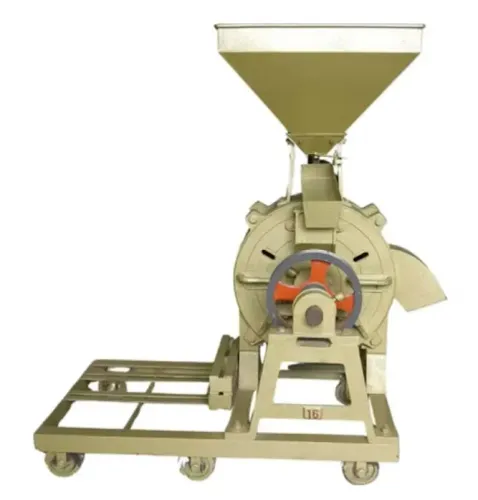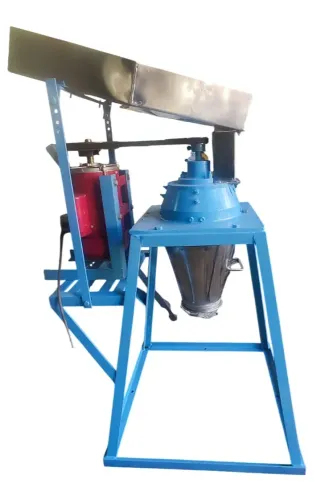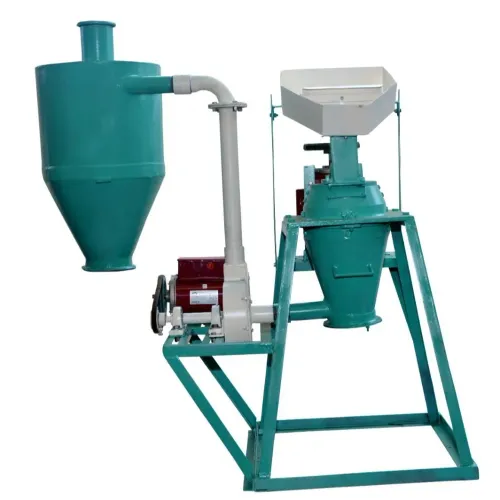
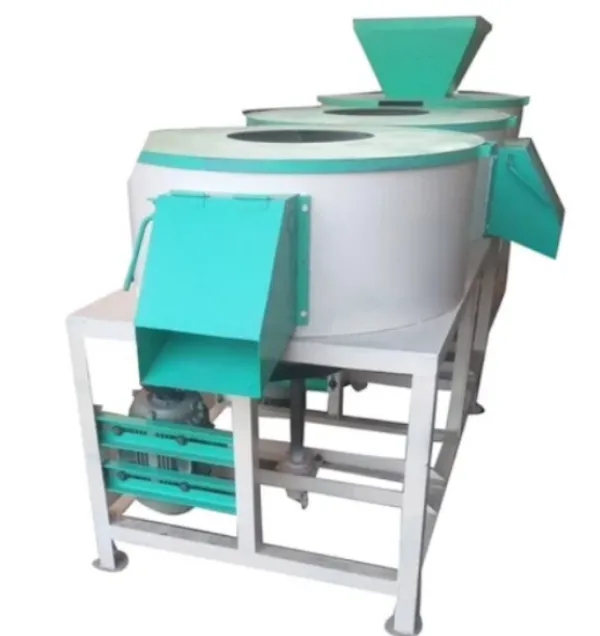
Demand for biological and sustainable agricultural inputs has encouraged more businesses to examine commercial bio-fertilizer manufacturing. Setting up a Bio Fertilizer Plant, however, requires considerably more planning than purchasing individual machines and arranging them inside a factory.
Raw materials, formulation, production flow, hygiene, contamination control, packaging, utilities, capacity, and regulatory requirements all influence the final facility.
For entrepreneurs and agricultural processing companies planning production in Nagpur and Maharashtra, evaluating these elements early can reduce expensive changes after installation.
Define the Product Range First
Machinery selection should follow product planning.
A manufacturer needs to determine which bio-fertilizer formulations will be produced and in what physical form. Liquid formulations and carrier-based products can involve different processing requirements.
Important initial questions include:
- What products will the facility manufacture?
- What production volume is expected?
- Which raw materials will be handled?
- How will finished products be packed?
- Will several formulations share equipment?
- How much future expansion is expected?
Clear answers help establish the appropriate process flow.
Plan Material Movement
Poor factory layouts often create unnecessary handling.
Raw materials may repeatedly travel across production areas, operators may need to carry containers manually, and finished products may cross incoming material routes.
A logical plant layout should consider the sequence from receiving and storage through processing, quality checks, packaging, and finished goods storage.
The objective is to minimize unnecessary movement while maintaining suitable separation between operations.
Match Equipment Capacities
Production lines work efficiently when individual machines have reasonably coordinated capacities.
If one processing stage can handle significantly more material than the next, material may accumulate between operations. Conversely, undersized upstream equipment can leave larger downstream machinery waiting.
Capacity calculations should consider expected daily production rather than isolated machine output.
Pay Attention to Contamination Control
Bio-fertilizer manufacturing involves biological materials, making process discipline particularly important.
Production areas, containers, equipment surfaces, storage conditions, and operator practices may all influence product quality. Appropriate cleaning and contamination-control procedures should therefore be built into operational planning.
The specific requirements depend on the formulation and applicable manufacturing standards.
Packaging Deserves Early Planning
Packaging is sometimes treated as the final consideration even though it can become a production bottleneck.
Manufacturers should determine pack sizes, packaging materials, labeling processes, storage requirements, and expected dispatch volumes before finalizing the plant.
A high-capacity production section offers limited benefit when finished material cannot be packed at a corresponding rate.
Evaluate Utilities and Infrastructure
Electrical supply, water, ventilation, drainage, workspace, storage, and access for maintenance should be evaluated before equipment installation.
For facilities being developed in industrial areas around Nagpur, confirming these requirements during the planning stage can help avoid later modifications to the building.
Take a Complete Plant Approach
Unique Enterprises works with businesses seeking industrial processing machinery and customized production solutions in Nagpur. When discussing a Bio Fertilizer Plant, the company can evaluate equipment requirements around production capacity, raw materials, available space, and process expectations.
Businesses planning to serve agricultural markets across Maharashtra should think beyond immediate output. A facility with sensible material flow, appropriate machinery capacity, manageable cleaning procedures, and room for planned expansion is generally easier to operate as demand develops.
Successful plant planning connects product requirements with equipment, people, utilities, quality control, and packaging. Treating the facility as one integrated production system provides a stronger foundation for reliable commercial manufacturing.
Keywords