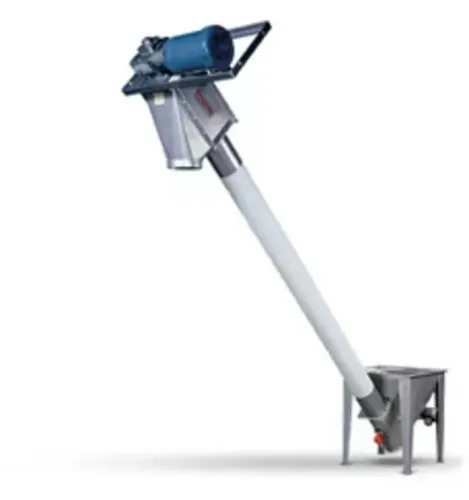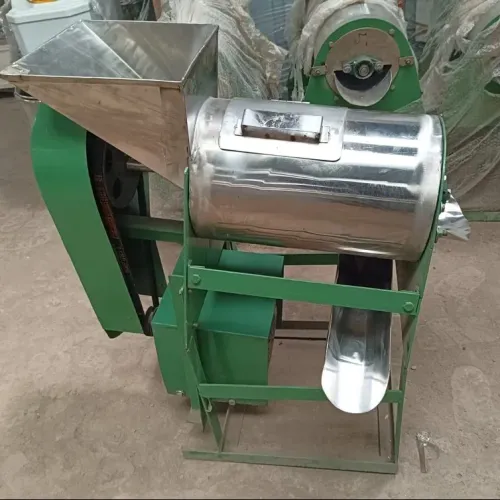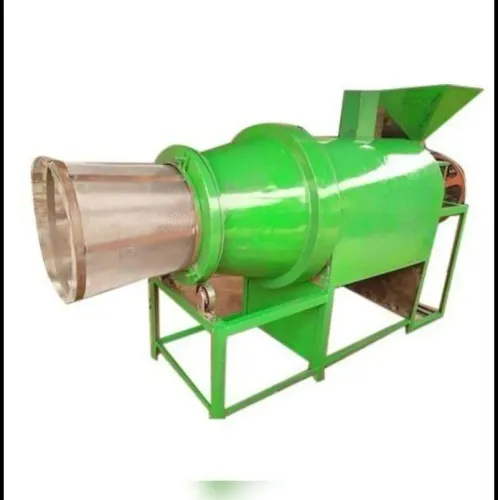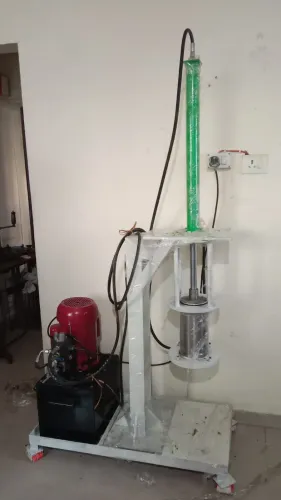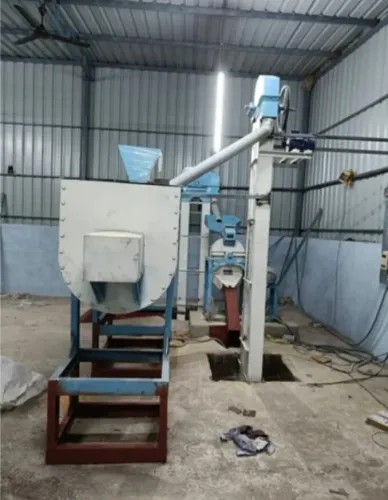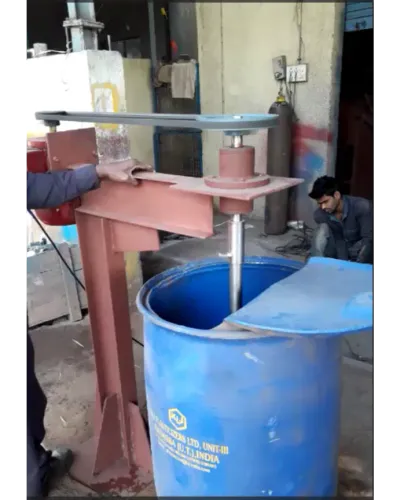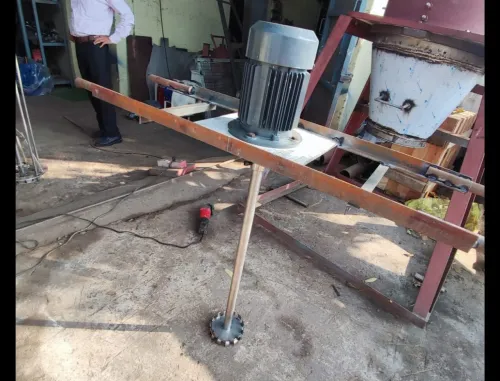
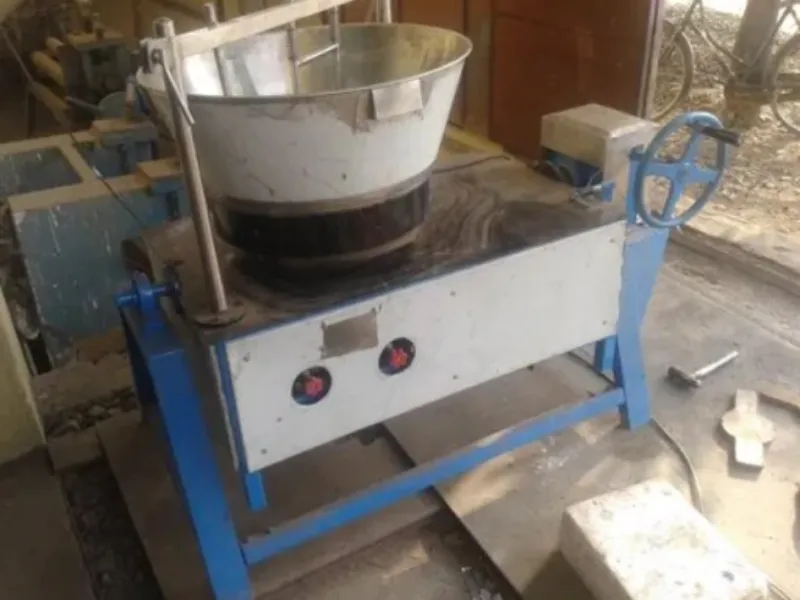
Producing khoya at commercial scale requires careful control of heating, evaporation, product handling, and cleaning. Traditional preparation methods may work for small quantities, but increasing demand can make manual production labour-intensive and difficult to standardize. A Khoya Making Machine can support businesses moving toward a more structured manufacturing process.
For sweet manufacturers, dairy businesses, caterers, and food processing units in Nagpur and Maharashtra, selecting suitable equipment requires a closer look at production needs rather than machine capacity alone.
Calculate Realistic Daily Production
Start by estimating how much khoya the business actually needs.
Consider regular demand, festival peaks, wholesale orders, operating shifts, and expected growth. Equipment that meets ordinary demand but cannot support predictable seasonal increases may become a constraint.
At the same time, selecting excessive capacity can increase investment without providing immediate operational value.
Understand the Importance of Heating Control
Khoya production depends on removing moisture from milk through controlled heating.
Poor heat management can affect product consistency and may increase the risk of scorching. Commercial equipment should therefore be evaluated according to the heating arrangement and operating control available.
Operators also need clear procedures for batch preparation and monitoring.
Consider Batch Consistency
Sweet manufacturers often rely on khoya as a base ingredient for multiple products.
If moisture and texture vary substantially between batches, downstream recipes may require repeated adjustments. A structured production process can help improve repeatability when raw material quality and operating conditions are also controlled.
Consistency is especially valuable for businesses producing standardized sweets at scale.
Examine Cleaning Requirements
Milk-based products require strong attention to hygiene.
Product-contact surfaces and areas where residue may collect need practical cleaning access. Buyers should understand the cleaning procedure before installing equipment, particularly when production occurs every day.
The time required for cleaning should also be included when calculating realistic daily output.
Review Operator Safety and Workflow
The production area involves hot product and heated equipment.
Factory layout should provide enough space for operators to load material, supervise processing, collect finished khoya, and perform cleaning without unnecessary obstruction.
The movement of hot product to subsequent processing areas should also be considered during layout planning.
Coordinate With Downstream Production
Khoya may proceed directly into sweet manufacturing, cooling, temporary storage, portioning, and packaging.
Equipment selection should therefore account for what happens immediately after each batch is completed.
A high-output machine can create operational difficulties when downstream workers cannot handle the product at the same rate.
Evaluate the Manufacturer Around Your Requirement
Unique Enterprises in Nagpur manufactures food processing machinery for businesses with different production scales. Buyers considering a Khoya Making Machine should discuss expected batch quantity, daily output, available utilities, installation space, cleaning requirements, and product handling arrangements.
For dairy and sweet businesses supplying markets across Maharashtra, machinery becomes particularly relevant when manual production is creating capacity constraints, labour dependency, and inconsistent batch scheduling.
Investment readiness is strongest when the business has predictable demand, sufficient milk supply, appropriate production space, trained operators, and established downstream handling.
Selecting equipment around these practical factors can help transform khoya preparation from a labour-heavy activity into a more organized commercial production stage.
Keywords