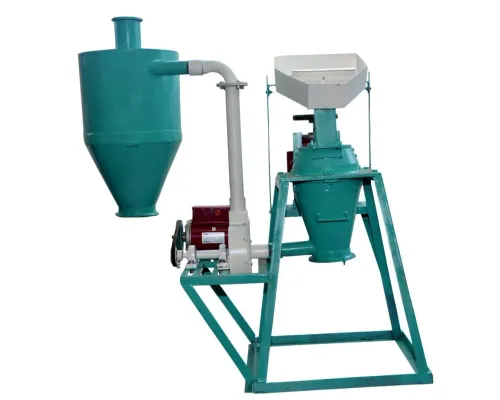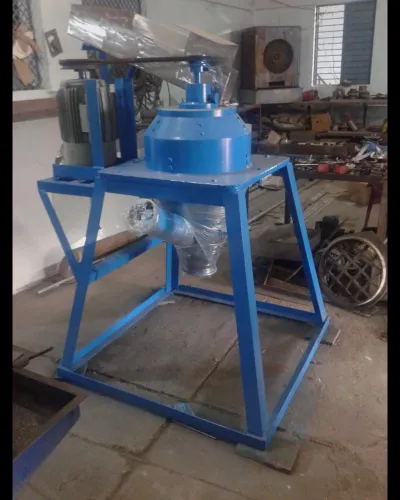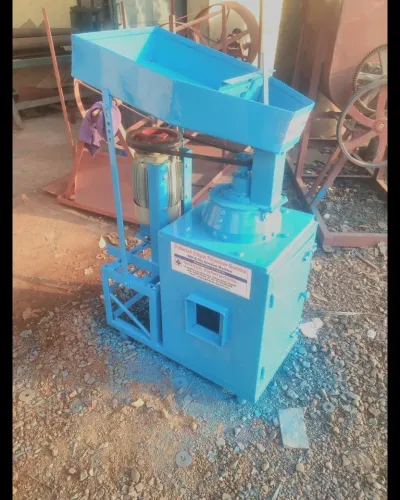
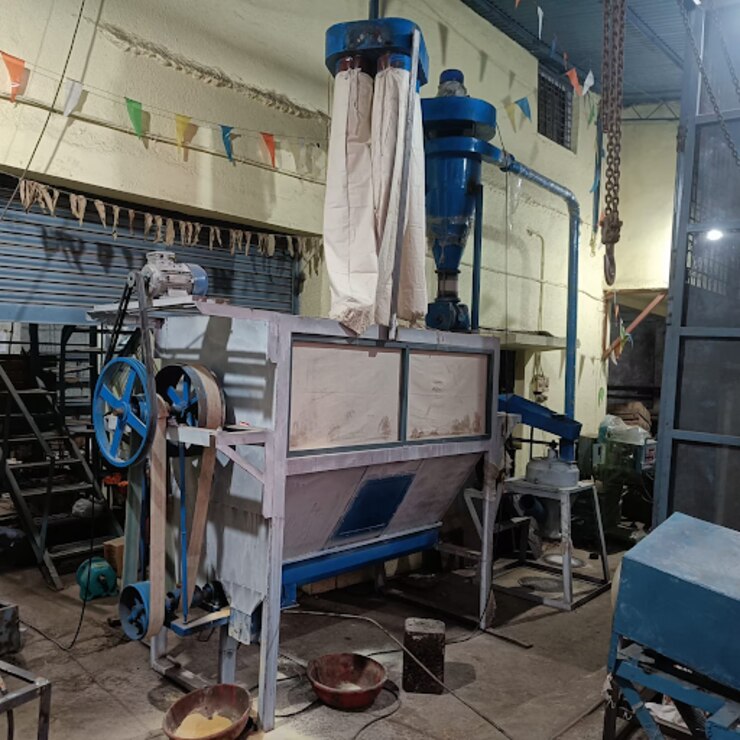
A besan plant must be designed around the flour specification, chickpea condition and saleable output—not the motor rating printed on a machine. By defining the product route, sizing each stage and setting measurable acceptance tests, you can compare plant proposals on usable production, quality and operating risk.
Key takeaways
- Define the flour grade before choosing the process route.
- Match dehulling and cleaning equipment to chickpea quality and intake volume.
- Specify grinding temperature, particle size and saleable output together.
- Require a witnessed trial using your chickpeas before approving the plant.
Define the Besan Product Before Selecting the Process Route
Start with the saleable flour specification, not the mill catalogue. Decide whether you will sell whole-gram flour, dehusked besan, coarse besan, or fine retail flour; each choice changes the besan plant process flow, equipment sequence and building zones.
| Product option | Required sequence | Main consequence for layout |
|---|---|---|
| Whole-gram flour | Cleaning, destoning, grinding and sifting | Shorter route, but darker flour with more fibre |
| Dehusked besan | Cleaning, grading, conditioning, dehulling, aspiration, grinding and sifting | Needs dehulling equipment, husk separation and separate by-product handling |
| Coarse besan | Cleaning, optional dehulling, coarse grinding and controlled sifting | A coarse besan plant needs screens and mill settings that prevent excessive fines |
| Fine retail flour | Full cleaning and dehulling route, fine grinding, classification and tight sifting | Requires stronger dust control, recirculation and packaging protection |
Specify the target particle-size distribution, colour, fibre level, moisture at milling and acceptable husk content before drawing the floor plan. A whole-gram flour line can omit dehulling, but inserting that stage later requires space for conditioning, aspiration, husk collection and additional elevators.
Keep raw-chickpea receiving and dehulling away from finished-flour and packing zones. The final specification must also state whether one line will produce multiple grades; changing from dehusked besan to whole-gram flour can require cleaning, screen changes and controlled product segregation.
Match Cleaning and Dehulling Equipment to the Chickpea Intake
Buy equipment against the chickpea intake, not a nominal tonnes-per-hour figure. Record variety, moisture, seed-size range, stones, dust, metal, damaged grains, insect damage and foreign-material load across several lots. A heavy impurity load needs more separation capacity and larger waste outlets than clean contract-grade grain.
- A pre-cleaner with scalping screens removes straw, pods, large stones and oversize debris before elevators and downstream machines. Select screen openings around the smallest and largest seed sizes, or good chickpeas will be discarded with the waste.
- An aspirator removes lighter dust, husk fragments and empty seeds. Specify adjustable air control because excessive suction carries sound chickpeas into the reject stream.
- Install a magnet before milling to capture ferrous fragments. It protects the mill and provides a control point that screens cannot replace.
- A destoner machine for chickpeas separates stones close to chickpea size and density. Do not substitute a screen; missed stones can damage a pin mill, pulverizer or packaging machine.
- Use a grader when seed size varies significantly. Uniform kernels improve conditioning and dehulling, while mixed sizes leave large seeds under-processed and small seeds broken.
For dehusked besan, follow grading with controlled water conditioning, dehulling, aspiration and separate collection of husk, splits and brokens. Add return paths only for recoverable material. A whole-chickpea flour line can omit these stages, but it will produce darker, higher-fibre flour; size the chickpea cleaning equipment accordingly.
Choose the Grinding System Around Fineness, Heat and Throughput
Choose the mill by particle-size distribution, not by its tonnes-per-hour nameplate. A fine retail besan specification may need two grinding stages with intermediate sifting; forcing all material through one overloaded besan grinding machine raises temperature, increases wear and sends more flour into the dust line.
| Option | Texture and operating behaviour | Best fit |
|---|---|---|
| Pin mill | Produces fine, uniform flour; close clearances demand controlled feed and clean, well-dehusked kernels | Fine besan where tight particle-size control matters |
| Impact pulverizer | Handles flexible feed rates and staged reduction; excessive loading can increase heat and fines | Medium-to-fine besan with recirculation |
| Stone mill for besan | Gives a traditional milled texture at lower throughput; stone condition, feed rate and cooling affect heat | Small batches or a specified stone-ground character |
Treat the mill, classifier and aspiration fan as one circuit. Set airflow from pressure-drop readings and product-carryover tests, not the fan nameplate: weak air removal leaves flour and husk around the mill, while excessive suction carries saleable flour to the dust collector.
Install a cyclone or filter receiver sized for the actual air volume, and check mill-discharge temperature during a sustained trial.
Add cooling or tempering when the flour leaves the mill warm, because chickpea lipids can develop cooked, dark or rancid notes. Record the final particle-size distribution, temperature, retained oversize and dust loss for each product grade.
Size Sifting, Recirculation and Capacity for Saleable Output
A sifter rated at 1,000 kg per hour does not necessarily produce 1,000 kg of saleable besan. The rating may describe feed under a particular screen mesh size, while oversize returns, cleaning losses and stoppages reduce packed output. Set besan plant capacity from sustained saleable output, not the largest figure on the machine plate.
Specify the sifting system against the required particle-size distribution and recirculation load:
- Select a plansifter for besan or vibro sifter with enough screen area for the target throughput, product-contact screens and inspection access.
- Ask for capacity at your actual screen mesh size, feed rate and moisture range; a generic tonnes-per-hour rating is not comparable.
- Size each buffer bin from the required hold-up time: working volume equals production rate multiplied by buffer time, divided by bulk density, with freeboard added.
- Keep the oversize return loop controlled. Remove tramp metal and stones before material reaches the grinder again, or one hard contaminant can circulate repeatedly and damage it.
- Rate the grinder and sifter together, because a fine specification can make the sifter the bottleneck even when the mill has spare capacity.
Run a witnessed trial using the intended chickpea variety and moisture range. Record feed rate, accepted flour, recirculated oversize, product temperature and packing accuracy; use the resulting accepted kilograms per hour as the guaranteed saleable rate.
Design Dust Control, Hygiene, Quality Control and Packaging Together
Build dust extraction, hygiene, quality control and packing around sustained saleable output, not the mill’s nameplate rate. A food-grade flour plant design must prevent contamination, verify each lot and keep flour protected from moisture, insects and cross-lot mixing.
- Size besan plant dust collection by filter area and filtration velocity, not fan capacity alone. Specify pulse cleaning, a discharge airlock, and whether recovered flour is saleable or waste; document the contamination decision before returning it.
- Assess grounding and bonding, spark or hot-bearing detection, suitable electrical equipment, housekeeping access, explosion venting or suppression, and isolation between connected vessels.
- Use smooth, cleanable food-contact surfaces and sealed transfers. Keep bins and packing areas dry and pest-controlled.
- Check incoming chickpeas, dehulled material and finished besan for moisture, colour, particle-size distribution, ash, infestation, foreign material and metal with a metal detector for flour.
- Retain samples by lot because milling can redistribute an incoming defect rather than remove it.
- Match a besan packaging machine to sustained output, with weighing or auger filling, checkweighing, sealing and coding.
- Use dust-controlled bulk-bag filling with a food-contact liner, and protect slower packing with covered holding bins.
- Before acceptance, witness a trial using the intended chickpea variety and moisture range. Record feed rate, flour yield, particle-size distribution, product temperature, electrical load, dust leakage, filter pressure drop and packing accuracy.
Specify the Plant Through a Witnessed Performance Trial
Do not accept a quoted tonnes-per-hour figure until the supplier runs a witnessed plant performance trial with your intended chickpea variety and agreed moisture range. Record saleable output, not just mill feed.
- Define the test lot and operating point: feed rate, moisture, operating hours and target besan flour yield. Weigh husk, brokens and rejects separately.
- Take retained samples and test particle-size distribution and product temperature at the sifter outlet. Record electrical load at each major machine.
- Inspect the running line for dust leakage, filter pressure drop and abnormal vibration. Identify the dust collector discharge as saleable product or waste.
- Verify packaging accuracy across repeated packs, seal quality, changeover time and the oversize-return route. Set pass/fail limits before the trial.
The signed results should form the machinery acceptance test, with remedies for missed limits and a repeat trial under the same conditions. A besan plant machinery supplier should provide calibrated weighing records, sample identification and final process settings.
Ask Unique Enterprises to state these test conditions in its quotation, so nominal capacity cannot be mistaken for saleable flour.
Related products
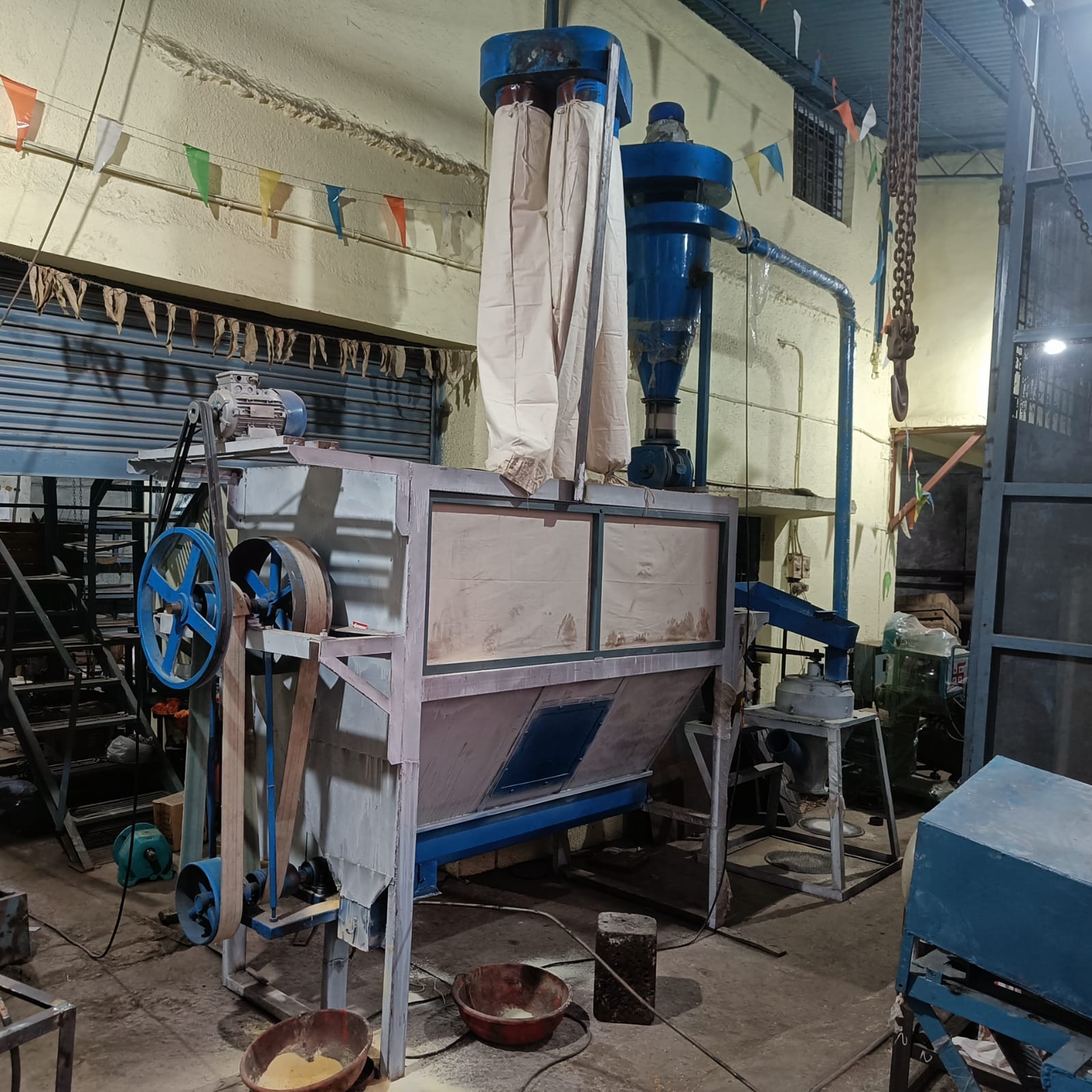 | Besan Plant Machinery ₹450000 A Besan Plant is a facility used for processing gram (chickpeas) into besan (gram flour). View product → |
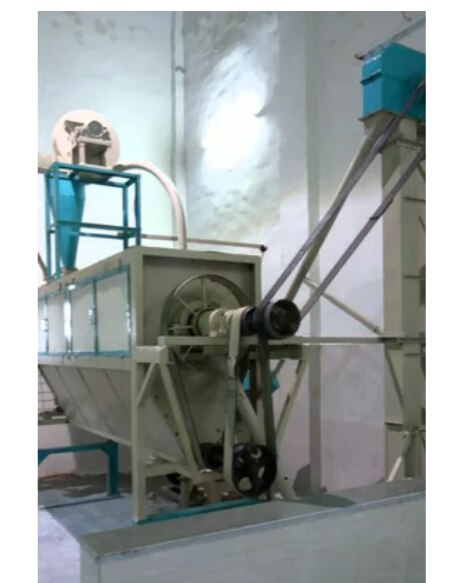 | Besan Plant Machinery Minimum Order Quantity 1 Unit Type Besan Plant Type Of Machines Automatic/Semi Automatic Capacity 50-300 kgs/hr Power Consumption 5 KW... View product → |
Frequently asked questions
What product specification should you define before selecting a besan process route?
Define whether you will sell whole-gram flour, dehusked besan, coarse besan or fine retail flour. Set the target particle size, acceptable husk content, moisture and saleable yield before selecting equipment.
How should you match cleaning and dehulling equipment to chickpea intake?
Assess incoming chickpea size variation, stones, dust, metal, foreign seeds and husk condition. Use those findings to specify screens, aspiration, destoning, magnetic separation and dehulling capacity.
What matters when choosing a besan grinding system?
Compare the mill type against target fineness, feed rate, heat generation and product quality. Confirm that the system maintains the required flour temperature and particle-size distribution at the planned throughput.
How do sifting and recirculation affect saleable besan output?
Size the sifter for the mill's actual output, separate oversize flour consistently and return it without creating bottlenecks. Measure saleable flour yield rather than judging capacity from the mill alone.
What should be designed together in a besan plant?
Coordinate dust extraction, hygienic zoning, inspection points, quality-control sampling and packaging. Include product-contact materials, cleanable surfaces, magnet checks and batch identification in the specification.
Related products
 | Flour Mill Capacity 1 ton/Day Material Mild Steel Design Customized Power Consumption 16Hp Automation Grade Automatic At Unique Enterprises, we are... View product → |
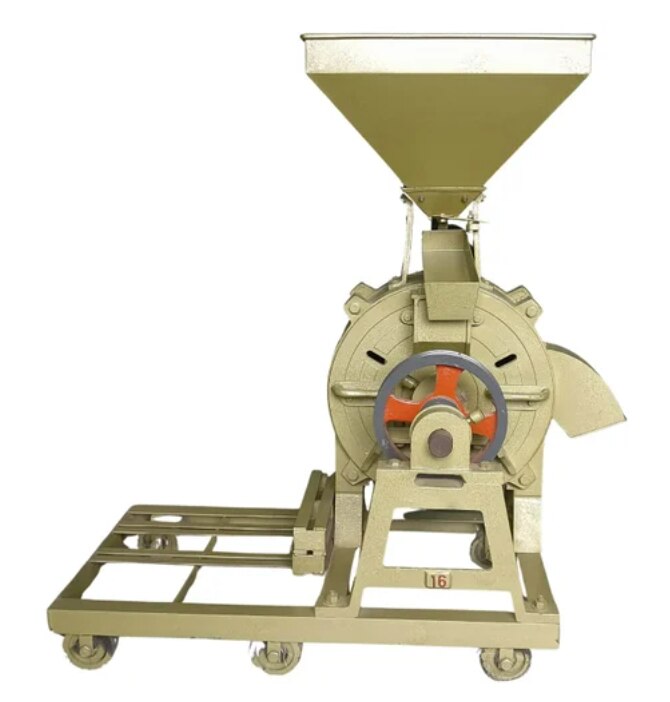 | Flour Mill Capacity 30 kg/hr Motor Power 3 HP Stone Size 14 inch Material of Construction Mild Steel Electricity Connection Single Phase As our name suggests,... View product → |