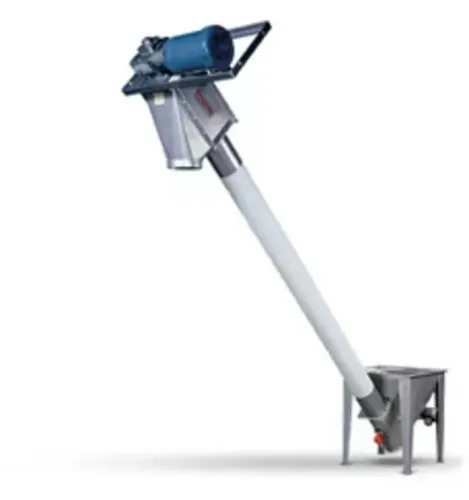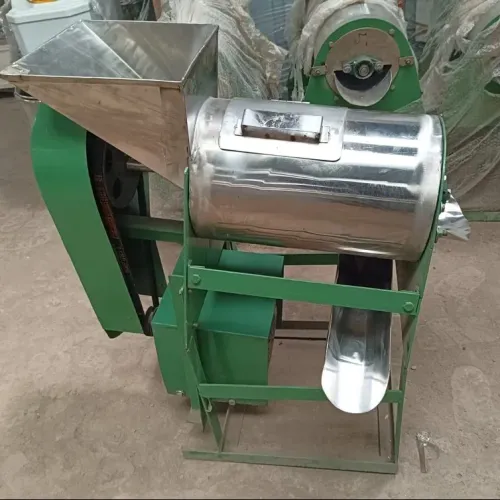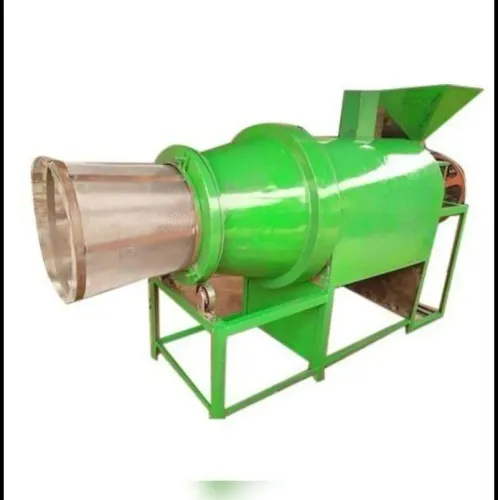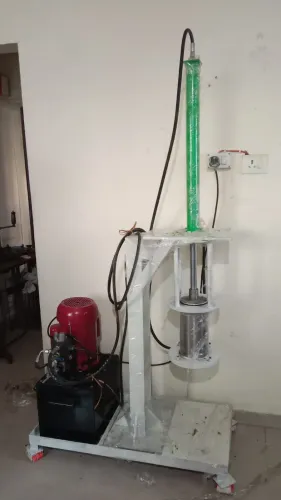
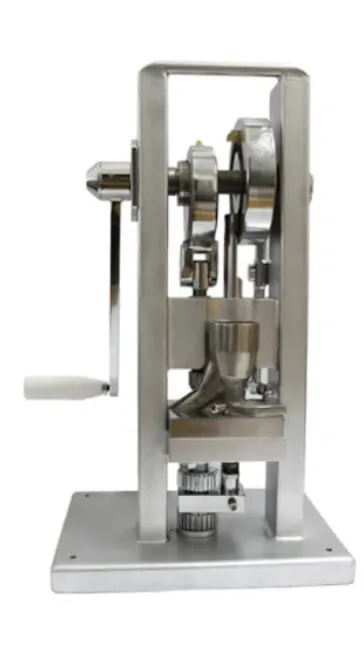
Commercial camphor tablet production requires consistent shaping, manageable output, practical operation, and machinery suited to the material being processed. Businesses evaluating a Camphor Tablet Making Machine should therefore look beyond purchase price and compare equipment according to their intended production conditions.
For manufacturers and entrepreneurs in Nagpur and other industrial markets across Maharashtra, a detailed pre-purchase assessment can reduce the risk of selecting equipment that becomes unsuitable after production begins.
Define the Required Production Scale
Start with expected output.
A new business testing local demand has different machinery requirements from an established manufacturer supplying wholesalers and distributors.
Calculate approximate daily production and determine the number of operating hours available. This helps identify an appropriate machine category without investing unnecessarily in excessive capacity.
Decide the Required Tablet Specifications
Finished tablet dimensions and weight should be considered before machinery selection.
Manufacturers planning multiple product sizes should discuss whether the machine configuration can accommodate their intended range.
Consistent dimensions are especially important when tablets need to fit predetermined packaging.
Understand Raw Material Preparation
Machine performance depends partly on the condition of the material entering it.
Particle characteristics, formulation, feeding consistency, and preparation methods can influence production. Buyers should communicate the actual material and expected tablet characteristics during equipment discussions.
This provides more useful information than simply requesting a generic camphor-making machine.
Evaluate Operator Requirements
Commercial machinery should fit the skill level and operating procedures available at the facility.
Consider how material is loaded, how settings are adjusted, how tablets are collected, and how routine inspection is performed.
Simple and practical workflows can reduce unnecessary handling during daily production.
Check Maintenance Accessibility
Every production machine eventually requires cleaning, adjustment, inspection, and replacement of wear components.
Equipment should therefore be evaluated for accessibility rather than external appearance alone.
Ask how routine maintenance is carried out and which components require periodic attention. Planning maintenance schedules can reduce unexpected production interruptions.
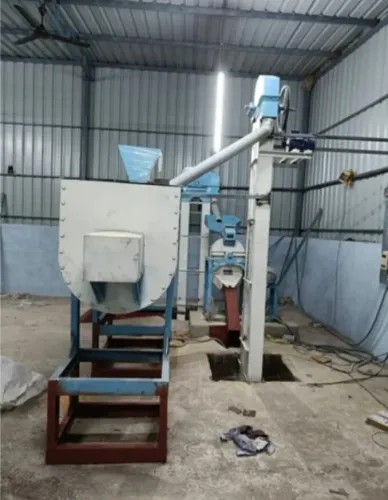
Consider the Complete Production Setup
Tablet formation is only one part of the commercial process.
Manufacturers may also need arrangements for raw material storage, preparation, finished tablet collection, quality checks, packaging, and dispatch.
A machine capable of high output provides limited value if the packaging section cannot handle the same production rate.
Assess Space and Utilities
Before confirming equipment, measure the intended installation area.
Allow working space for operators, maintenance access, raw material movement, and finished product handling. Electrical requirements should also be checked against available infrastructure.
These practical checks are particularly important when machinery is installed inside an existing manufacturing unit.
Discuss Custom Requirements Early
Unique Enterprises manufactures processing machinery in Nagpur and works with businesses requiring equipment suited to different production conditions. Buyers evaluating a Camphor Tablet Making Machine should communicate desired tablet specifications, production capacity, installation space, and operational expectations before finalizing a machine.
For businesses planning distribution across Maharashtra, equipment should be selected with both current production and realistic growth in mind.
The strongest purchase decision combines capacity, product specifications, operator convenience, maintenance access, space, and downstream packaging requirements. Evaluating these factors before ordering helps create a production setup that is practical beyond the initial installation.
Keywords