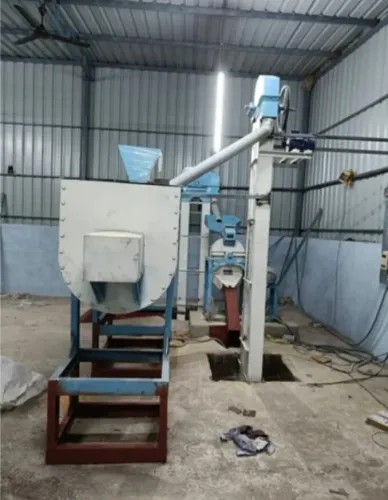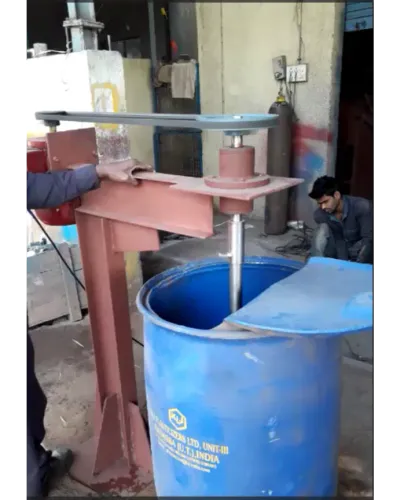
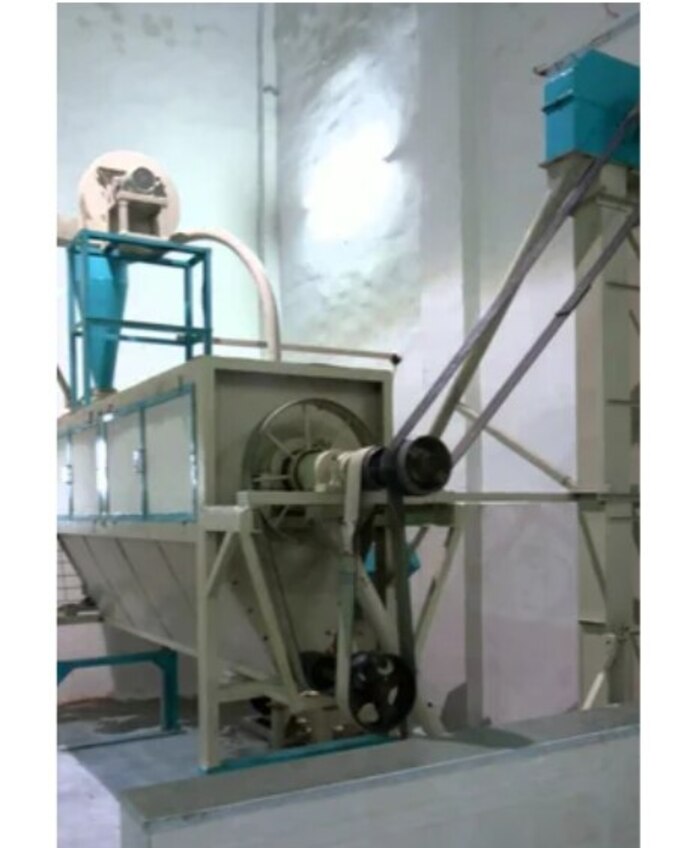
A 300 kg/hr machine does not automatically produce 300 kg of saleable besan every hour. You will be able to match equipment capacity to cleaned gram input, flour recovery, sieve performance, available power, labour, packaging needs and seasonal demand before comparing quotations.
Key takeaways
- Specify besan output with chana variety, moisture, sieve size and operating hours.
- Compare preparation, grinding and sieving methods against the flour quality you sell.
- Request a complete line quotation covering utilities, food-safe surfaces and dust control.
- Run your own chana through the proposed machinery before placing the order.
Choose Capacity from Finished Besan Output, Not Motor Size
Choose capacity by finished besan output, not motor size. Specify output using a named chana variety, feed moisture, sieve size and operating conditions. A motor rating alone does not define besan plant machine capacity.
| Option | Planning band | Practical interpretation |
|---|---|---|
| 50–100 kg/hr | Starter line | Suitable for modest demand and one product |
| 200–500 kg/hr | Small commercial line | Allows higher output, regrinding and growth |
| 1 tonne/day | Daily planning target | Requires verified productive hours, not just machine rating |
These are planning ranges, not Indian standards. A vendor must state whether the figure means cleaned gram input or saleable flour. For besan plant machinery for small mills in Nagpur, demand a finished-output trial.
A 200 kg/hr machine fed with cleaned gram for six productive hours processes 1,200 kg input. At 92% flour recovery, saleable output is about 1,104 kg before packing losses. An eight-hour shift may provide only six or seven productive milling hours after receiving, cleaning, destoning, sieve changes, regrinding, maintenance and packing.
Calculate demand from current daily sales, peak-season orders, available labour shifts and a 15–25% growth buffer. A 1-ton-per-day plant is oversized when one shift cannot sell or pack its verified output. Conversely, 300 kg/hr equipment becomes insufficient when two shifts, multiple products or frequent changeovers consume the available hours.
Compare finished kilograms, recovery and downtime—not horsepower.
Match Gram Preparation and Grinding Method to the Flour You Sell
Choose a dry-grinding sequence when you sell standard besan: receive and grade chana, remove metal and dust, separate stones, prepare the grain, grind, sieve, return oversize and pack.
- Grade whole and split chickpeas at intake; reject mouldy grain and large foreign matter.
- Use magnetic separation, aspiration and a destoner before grinding. Stones damage pins, hammers and stones.
- Add dehusking or emery treatment when lighter colour and lower fibre justify bran loss, broken grain and lower recovery.
- Grind, sieve, recirculate coarse material and pack only after checking screen blinding and flour temperature.
- Control feed moisture: Nagpur heat dries exposed grain, while monsoon humidity softens it, clogs screens and increases coarse return. Store sealed and verify moisture before each batch.
Dry processing is simpler than wet processing for a small mill because wet systems add soaking, wet grinding, drying, effluent and extra handling. Condition only enough grain for the target texture; excessive conditioning worsens screen blinding.
Gram flour machinery options differ by product and control requirement:
| Method | Strength | Trade-off |
|---|---|---|
| Hammer or impact mill | Low entry cost and good throughput | More heat and noise; fineness depends on screen, feed rate and aspiration |
| Pin or air-classified mill | Repeatable fine flour and less coarse return | Higher cost, power demand and wear-part expense |
| Chakki or stone mill | Low-throughput, distinctive positioning | Requires frequent adjustment and closer screening |
Small besan plant machinery may be a standalone pulverizer or chakki, but a compact cleaner-and-grinder line protects quality. Choose a semi-automatic line for weighed manual packing; choose automatic conveying and packing when labour, dust control and repeatability matter.
Specify the Complete Line, Utilities and Food-Safe Work Area
A complete line combines preparation, grinding, separation, conveying, dust control and packing; besan plant machine capacity is meaningful only when the entire flow supports the stated finished-output rate.
- Vibro cleaner or aspirator removes dust and light material; a magnetic separator captures ferrous metal; a destoner removes stones.
- Add a dehusker or emery unit when the product requires husk removal, then use primary and fine grinders for staged size reduction.
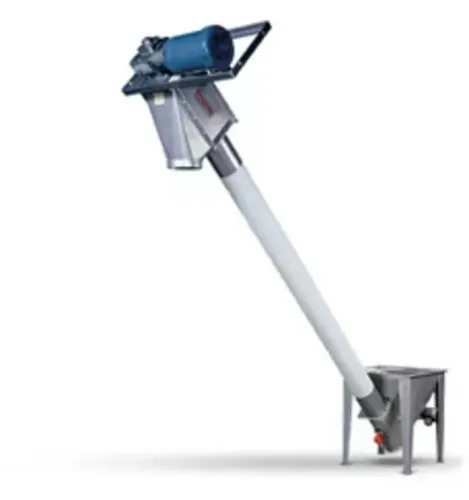
- Use a cyclone or dust collector for controlled air and dust removal, a plansifter or vibro sifter for grading, and a bucket elevator or screw conveyor for enclosed transfers.
- Finish with a weighing scale and packing machine matched to your pack sizes.
Ask for sieve area, number of decks, mesh specification and oversize recirculation. “Flour sifter” alone is not a specification.
Electrical design must state connected load, starting current, panel capacity, voltage stability and earthing. Confirm whether a quoted 5 kW or 16 HP covers the whole line or only one main motor.
| Supply | Suitable use | Check before purchase |
|---|---|---|
| Single-phase 220 V | Very small, lightly loaded equipment | Starting current and total load |
| Three-phase | Grinders, blowers, elevators and complete lines | Sanctioned supply, phase balance and panel margin |
Reserve floor area and ceiling height for storage, access and elevators. Provide separate raw-gram and finished-flour storage, ventilation, service clearance and a civil foundation.
Require enclosed conveying, sealed transfer points, accessible filters and a defined dust-disposal method: combustible besan dust creates exposure and fire risks. Specify SS 304, or another declared food-contact material, smooth welds, cleanable joints, corrosion protection, lubricant separation and pest-exclusion measures.
Test the Quotation on Your Chana Before You Commit
Compare a quotation on finished besan, not motor size. For besan plant machinery for small mills in Nagpur, demand a flow diagram and electrical load list stating chana variety, sieve mesh, feed moisture, impurity tolerance, guaranteed kg/hour, flour fineness range, expected recovery, temperature limit, dust-loss allowance and regrind percentage.
| Quotation item | State separately |
|---|---|
| Machine price | Main equipment only |
| Freight and installation | Transport, erection and site work |
| Commissioning and electrical work | Trial, panel, cabling and connection |
| Civil foundation and dust extraction | Base, ducting, cyclone or collector |
| Consumables and training | Packaging materials and operator instruction |
| Taxes and spares | Taxes if applicable; screens, hammers, pins and stones |
Run a production trial with your representative Bengal gram. Weigh cleaned input, record moisture, measure kg/hour and flour temperature, collect coarse return, inspect sieve distribution, weigh dust loss, and test 500 g, 1 kg, 5 kg or bulk-bag filling.
| Trial check | Acceptance record |
|---|---|
| Weighing | Scale accuracy and filled-weight variation |
| Packing | Seal integrity and leakage |
| Traceability | Batch number and production date |
| Hygiene | Cleaning log and moisture check |
| Label | Food Safety and Standards framework information |
Ask Unique Enterprises, or any besan machinery manufacturer in Nagpur, for these documents, trial results, commissioning terms, warranty, spare-parts availability and response time. Local access simplifies service; it does not replace demonstrated process performance.
Related products
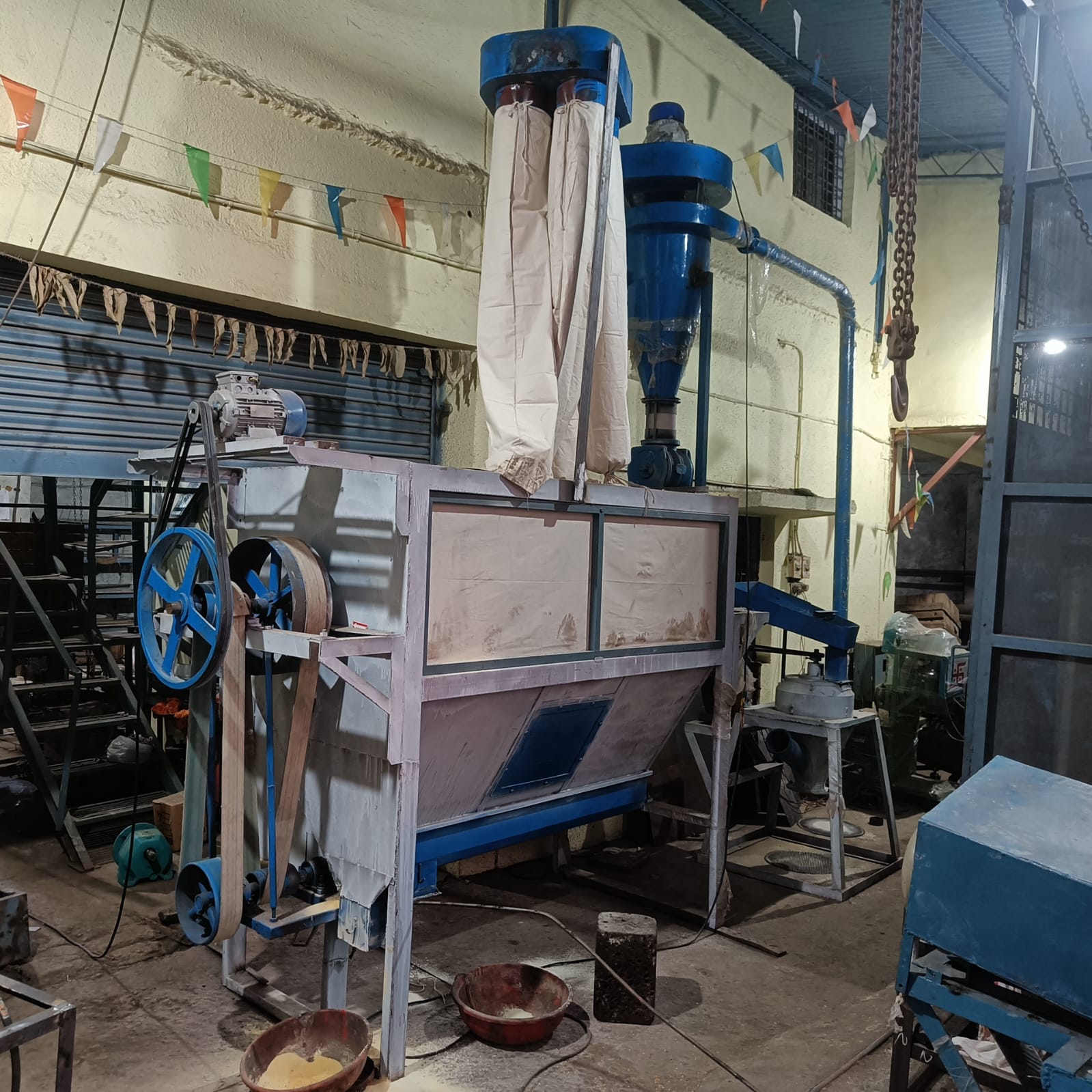 | Besan Plant Machinery ₹450000 A Besan Plant is a facility used for processing gram (chickpeas) into besan (gram flour). View product → |
 | Flour Mill Capacity 1 ton/Day Material Mild Steel Design Customized Power Consumption 16Hp Automation Grade Automatic At Unique Enterprises, we are... View product → |
Plan Expansion Around the Next Bottleneck
A standalone pulverizer or compact line becomes the wrong choice when you supply several pack sizes, run two shifts, process multiple pulse products, or need uninterrupted industrial production. It also fails as a complete system when cleaning and dust control have no separate equipment or space.
| Option | Initial advantage | Limitation |
|---|---|---|
| Adapted mini dal mill | Lower purchase cost | Gaps in dehusking, stone removal, particle-size control, aspiration, product changeover and hygienic cleaning |
| Adapted general flour mill | Familiar operation and flexible grinding | Fine besan control, dust capture and oversize recirculation may remain weak |
| Purpose-built besan line | Integrated preparation, grinding, aspiration and sieving | Higher initial investment, with more equipment to install and maintain |
Choose modular growth instead of buying an oversized grinder first. Retain the cleaner and conveyors, then add parallel grinding capacity when the mill reaches its verified limit. Upgrade to a larger sifter before screening becomes the bottleneck, strengthen aspiration as dust loads rise, and add automatic weighing or packing when manual filling slows dispatch.
This staged plan keeps besan plant machine capacity aligned with sales rather than motor size.
Plan labour by shift, not only by machine rating:
- Receiving staff unload, inspect and record incoming gram.
- One operator controls feeding, grinding and alarms.
- A second worker checks sieve condition, oversize return and flour flow.
- Packing staff weigh, seal and identify batches.
- A sanitation worker cleans contact surfaces, filters and floors between products.
For one shift, combine roles only after checking workload; two shifts need handover records and separate sanitation time. Compare gram flour machinery options using the smallest line that meets verified peak finished-output demand, has expansion points, and leaves electrical, floor and storage capacity for the next stage.
Frequently asked questions
How should you compare besan plant machine capacity?
Compare finished besan output in kilograms per hour using a named chana variety, feed moisture, sieve size and stated operating conditions. Motor size alone does not establish capacity.
Which preparation and grinding method suits a besan mill?
Match cleaning, destoning, conditioning and grinding to your chana and target flour. Compare the finished flour’s fineness, heat exposure, recovery and operating effort rather than comparing grinder names alone.
What should a complete besan plant machinery quotation include?
Ask for every process step, machine ratings, electrical load, air and water needs, dust collection, flour handling, food-contact materials, installation requirements and the layout of the work area.
Why test the quotation with your own chana?
A trial reveals actual recovery, flour fineness, temperature rise, throughput, dust generation and sieve performance for your raw material. Use those results before committing to the line.
Related product
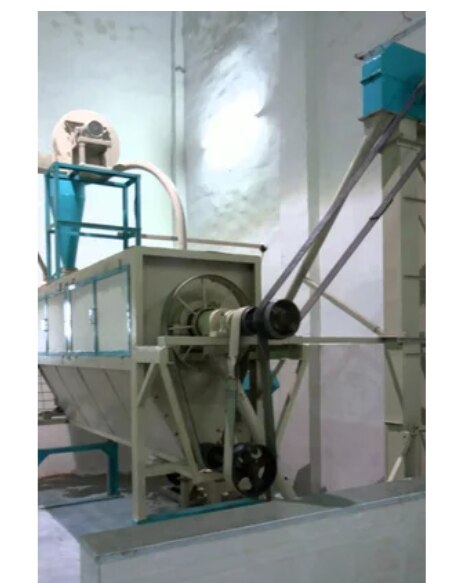 | Besan Plant Machinery Minimum Order Quantity 1 Unit Type Besan Plant Type Of Machines Automatic/Semi Automatic Capacity 50-300 kgs/hr Power Consumption 5 KW... View product → |
Keywords