Choose capacity from the amount of cleaned gram you will process, the hours you will run and the flour you can sell—not from a motor rating alone. By the end, you will have a practical way to compare hourly machinery, a 1-ton-per-day plant and a complete gram flour line against your site, power supply, quality target and working capital.
Key takeaways
- Size capacity from saleable dispatch, not grinder motor rating.
- State whether capacity uses whole gram, dehusked gram or split dal.
- Specify target fineness, heat limits and pack sizes before comparing machinery.
- Request equipment trials, utility loads, drawings and maintenance documents from suppliers.
Match Plant Capacity to Daily Intake and Actual Dispatch
Size the line from saleable besan dispatched per day, not from the grinder’s motor rating. A besan plant setup for production in Nagpur should state whether its capacity is based on cleaned whole Bengal gram, dehusked gram or split dal, along with target fineness and pack size.
| Option | Planning output | Best fit |
|---|---|---|
| 50–100 kg/hour | 300–700 kg in an eight-hour shift after cleaning, changeovers and stoppages | Local sales, trial production or several small batches |
| 150–300 kg/hour | 1–2 tonnes theoretically in eight hours; actual output falls with recirculation, sieve loading and maintenance | Growing wholesale orders with regular dispatch |
| 1 tonne/day plant | About 100–125 kg/hour across an eight- to ten-hour operating day | A business selling close to one tonne daily without carrying excess stock |
These besan plant capacity options are planning bands, not interchangeable ratings. If daily dispatch is 450 kg, a 50–100 kg/hour line can cover it across a full shift; a 300 kg/hour line could leave the grinder underloaded while tying up more capital.
Calculate peak intake, not only average sales. Include cleaning losses, dehusking losses, planned maintenance, sanitation time and regrinding. Then require a trial using your gram variety, with sieve analysis and recorded saleable output. A supplier quoting only pulverizer speed has not demonstrated complete line capacity.
Map the Gram Flour Process Before Choosing Equipment
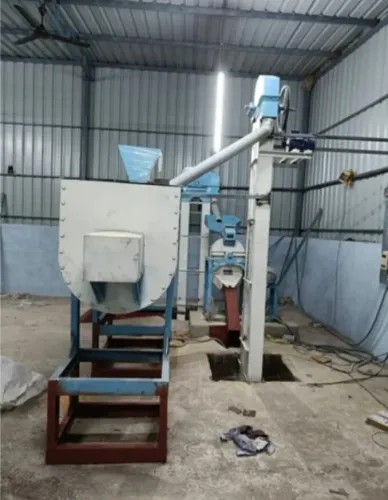
Map the line from raw gram to sealed pack before selecting machinery. A complete gram flour plant setup must control foreign matter, metal, stones, husk, moisture, grinding heat and particle size; a pulveriser alone cannot protect yield, colour, texture or shelf life.
- Receive and inspect Bengal gram for moisture, infestation and visible contamination.
- Screen out oversized impurities, then use magnets to capture ferrous metal.
- Aspirate light dust and husk before destoning; stones damage the mill and contaminate flour.
- Deston and grade the gram for more even dehusking and grinding.
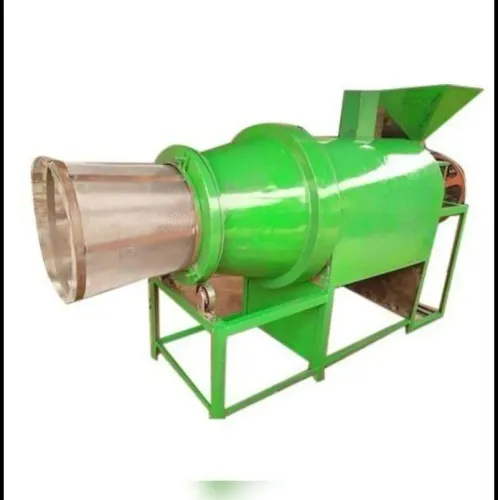
- Dehusk or split whole gram when the raw-material route requires it.
- Condition moisture to support clean separation without creating sticky flour.
- Grind in controlled stages, then sieve to the specified mesh; regrind oversize particles.
- Weigh and pack promptly in clean, sealed packs to limit moisture pickup and rancid odour.
- Document inspections and cleaning for contact surfaces, magnets, sifters, aspiration ducts, bins and dead zones; retained flour attracts infestation and causes batch carryover.
| Route | Front-end requirement | Main trade-off |
|---|---|---|
| Whole Bengal gram | Full screening, aspiration, destoning, grading and dehusking | More equipment, stronger control over incoming quality |
| Cleaned split dal | Reduced cleaning and separation stages | Lower capital need but greater supplier dependence |
| Pulveriser only | Grinding without a complete preparation and finishing flow | Cannot reliably control contamination, sieve consistency or regrind yield |
Select Machinery for Fineness, Heat Control and Consistency
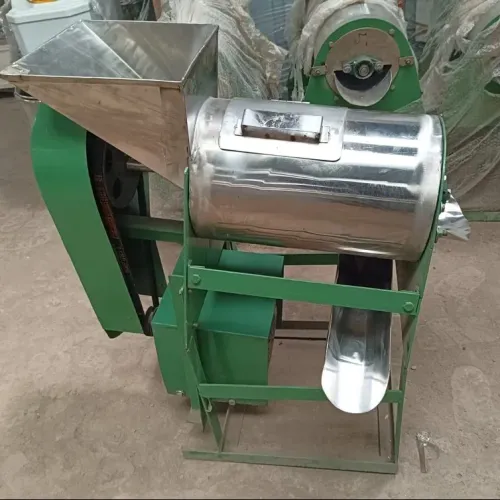
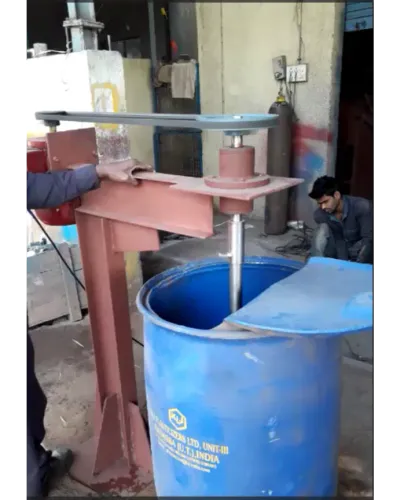
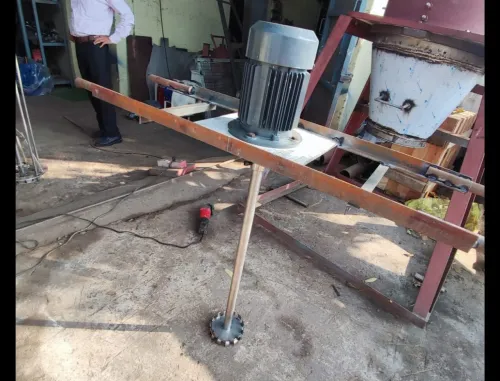
A small flour mill suits low-volume sales and flexible batch production, but it can struggle with heat, uneven fineness and frequent cleaning stoppages. A blower pulveriser improves fine grinding and pneumatic transfer, yet dust control, air balance and sieve loading become critical. For continuous commercial output, compare a dedicated line rather than a mill alone.
| Option | Strength | Limitation | Best fit |
|---|---|---|---|
| Small flour mill | Lower entry cost; simple operation | Batch interruptions, wider particle variation and slower discharge | Trials, local sales and modest daily demand |
| Blower pulveriser | Fine flour, pneumatic conveying and faster continuous grinding | Higher power use; heat and dust rise if airflow or feeding is wrong | Fine besan with controlled feeding and filtration |
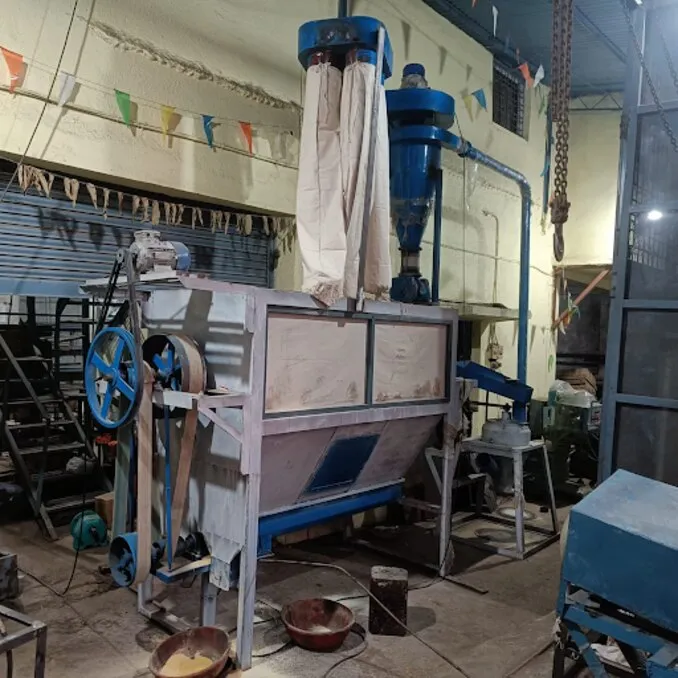
| Dedicated besan plant machinery | Integrated cleaning, dehusking, grinding, sieving and recirculation | Greater capital, space and commissioning effort | Regular commercial production and consistent retail supply |
Require a trial using your actual Bengal gram variety. Record flour temperature, sieve analysis, yield, recirculation rate and power consumption; visual whiteness alone proves nothing. Specify finished-flour output, not motor size: state whether the rating uses cleaned whole gram, dehusked gram or split dal, along with target fineness and pack size.
Good besan plant machinery selection also includes wear-part cost and access for cleaning.
Plan Power, Space and Climate Controls for a Nagpur Facility
Size the electrical service from declared finished-flour output, not the grinder’s motor rating alone. A besan plant setup for production in nagpur needs a load schedule that covers simultaneous starts; undersized supply trips during grinding and leaves batches unfinished.
Require these electrical details before approving the layout:
- Connected and starting load for the cleaner, destoner, grinder, blower, sifter, conveyors, packing machine and dust collector
- Three-phase voltage, panel capacity, cable sizes, earthing and protection devices
- Generator or backup requirements for controls, weighing and safe shutdown
- Dust-collection airflow, filter rating and electrical documentation
Keep these areas separated physically or by controlled airflow:
- Raw-gram receiving and enclosed storage
- Cleaning, destoning and grinding
- Flour sieving and regrinding
- Finished-product holding and packing
This separation stops raw dust and sweepings entering the packing zone. Leave access around sifters, magnets, ducts, bearings and bins; inaccessible flour deposits attract insects, create rancid odours and carry product into the next batch.
Nagpur’s hot summers and monsoon humidity demand a roof-insulated, enclosed store with pallets or raised flooring, sealed doors and controlled moisture ingress. Protect gram and packed besan from condensation. Moisture pickup causes sifter flow problems, caking and shorter shelf stability. State the raw-material condition, target output and packing format in the supplier’s quotation.
Build Quality, Packing and Cleaning Controls Into the Line
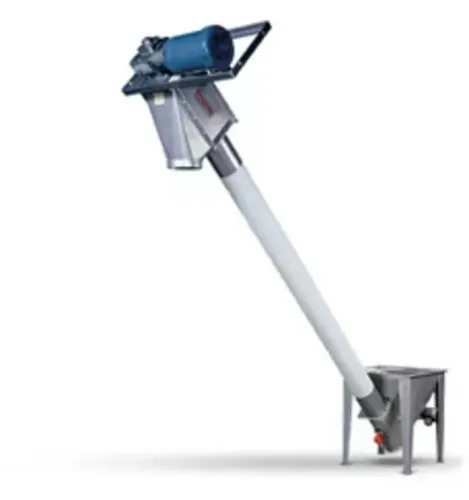
A complete gram flour plant setup needs more than a pulveriser. Install a finished-flour sieve, enclosed transfer lines, a dust collector, magnetic separator, metal detector, weighing-filling machine and heat sealer so the product remains clean, consistent and saleable after grinding.
Use these downstream safeguards:
- Select stainless-steel, food-contact surfaces with smooth welds and no ledges where flour can collect.
- Fit a defined sieve mesh and inspect it each shift; a torn screen sends coarse particles into retail packs.
- Keep aspiration under control at the grinder, sieve and packing machine. Poor extraction spreads flour dust, contaminates nearby packs and reduces recoverable yield.
- Check magnets and the metal detector at start-up, after breaks and after cleaning, recording each result.
- Use a calibrated weigher, intact packaging and a heat seal that resists moisture entry; print the batch number, production date and net quantity.
- Separate raw-gram handling, dusty processing and finished packing by walls or airflow direction. Never use sweeping tools from the raw-material zone in packing.
Choose among besan plant capacity options by finished-flour output under stated gram quality, fineness, recirculation and downtime—not motor size alone. Clean spills without compressed air, schedule dry cleaning between batches, and document allergen or material changeover checks where shared equipment is used.
Use Supplier Documents and Trials to Make the Final Choice
Evaluate a besan plant supplier in Nagpur by demanding a written performance basis and a trial with your own Bengal gram before you approve the machinery configuration. The quotation must state finished-flour output, not only motor power or nominal tonnes per hour.
1. Give the supplier your raw-material route: whole Bengal gram, cleaned whole gram, or split dal. Ask them to record cleaning loss, dehusking loss, recirculation, sieve loading, target fineness, and saleable output from a measured test batch.
2. Require a line-item quotation covering intake screening, magnetic separation, aspiration, destoning, grading, dehusking or splitting, grinding, sieving, dust collection and packing. A pulverizer-only offer is not a complete gram flour plant setup.
3. Request a layout, power-load schedule, foundation details, dust-control specification, operating manual and cleaning procedure. Check that the design includes enclosed storage, raised pallets or flooring, roof insulation and protection against monsoon moisture ingress.
4. Get written commissioning terms, response times for Nagpur service, and prices or lead times for screens, bearings, grinding elements, filters and electrical components. Ask who trains operators and who pays for a failed performance trial.
Unique Enterprises can be included in your comparison if its trial report and documents use the same raw material, fineness and packing format as competing offers. Choose the configuration that proves repeatable saleable output, not the lowest initial price.
Related products
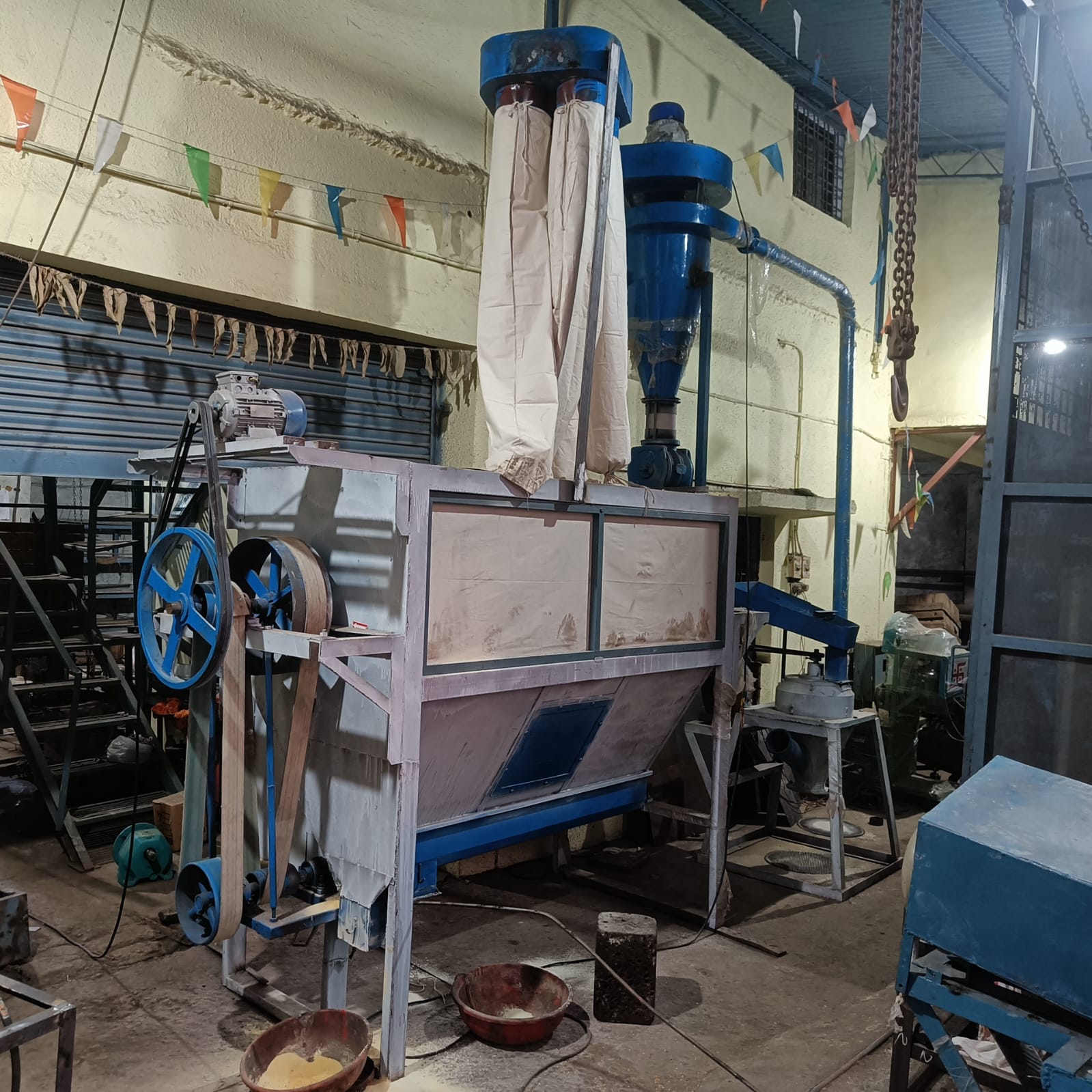 | Besan Plant Machinery ₹450000 A Besan Plant is a facility used for processing gram (chickpeas) into besan (gram flour). View product → |
 | Flour Mill Capacity 1 ton/Day Material Mild Steel Design Customized Power Consumption 16Hp Automation Grade Automatic At Unique Enterprises, we are... View product → |
Frequently asked questions
How should you size a besan plant capacity option?
Base capacity on cleaned input, yield, operating hours and saleable besan dispatched per day. Confirm whether the supplier rates the line for whole Bengal gram, dehusked gram or split dal.
Which process stages belong in a gram flour plant setup?
Map receiving, cleaning, destoning, grading, dehusking or splitting, grinding, sifting, blending, metal detection and packing before selecting equipment.
What should you compare during besan plant machinery selection?
Compare target fineness, hourly throughput, heat control, sieve arrangement, product-contact materials, dust control, power demand and changeover-cleaning time.
What supplier documents and trials should you request?
Request a process-flow diagram, equipment datasheets, motor loads, foundation drawings, utility requirements, spares list, cleaning instructions and a trial using your gram and target pack.
Related product
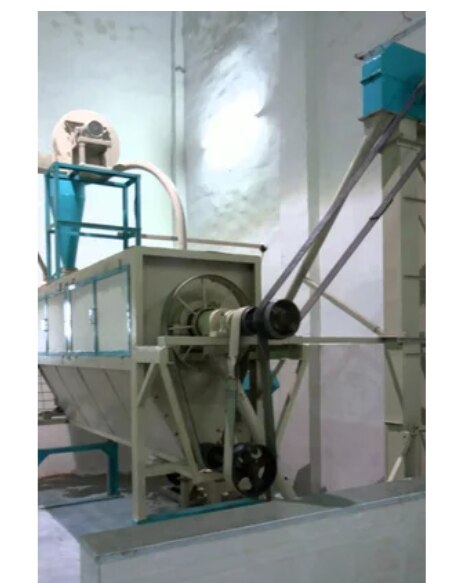 | Besan Plant Machinery Minimum Order Quantity 1 Unit Type Besan Plant Type Of Machines Automatic/Semi Automatic Capacity 50-300 kgs/hr Power Consumption 5 KW... View product → |
Keywords